



How to Design a Complete Outdoor Room Without Buying Everything at Once
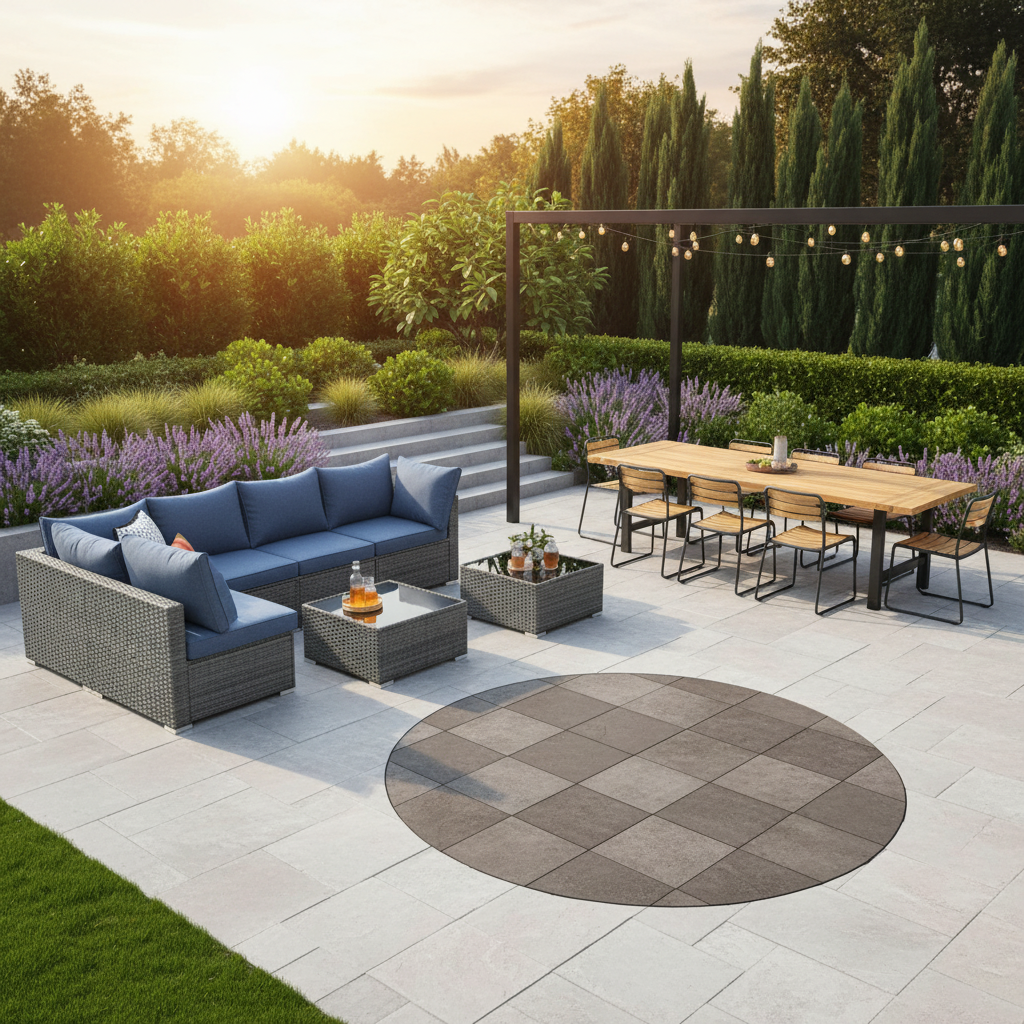
Designing a complete outdoor room in stages is one of the smartest ways to create a cohesive, functional backyard space without the regret of mismatched pieces or wasted budget. The key is treating your patio like an actual room: start with a clear mission statement, anchor the layout with a flexible modular outdoor sectional, protect essential circulation paths, and expand methodically over seasons while respecting safety clearances. This approach works especially well for medium to large patios where families want both lounging and entertaining zones that grow with their needs.

Related Guides
- Choosing the Right Large Patio Furniture Set for Entertaining
- Configuring Large Patio Furniture Sets for Expansive Outdoor Rooms
- Building a Complete Outdoor Room with Modular Patio Furniture Systems
- How to Configure 10 to 12-Piece Modular Outdoor Sectionals for Large Patios
- Maximizing Your Space with Modular Outdoor Sectionals
- How to Build a Complete Outdoor Room with Modular Furniture and Fire Pits
The 'Mission Statement' for Your Outdoor Room
Before buying anything, write a one-sentence mission statement that defines the primary purpose of your outdoor space. For many homeowners, this might read: "Create a versatile entertaining zone that comfortably seats 6–8 guests for evening gatherings while maintaining clear pathways for safe movement."
This statement becomes your filter for every future purchase. It prevents the common mistake of buying an attractive but oversized dining set first when your real priority is comfortable lounging and conversation. Families who define their main use case early—whether large-scale hosting or a quiet family retreat—report far higher satisfaction with phased builds because each addition reinforces rather than fights the original vision.
Defining this upfront also helps you evaluate scale early. A patio that feels spacious on paper can quickly feel cramped once furniture arrives. Your mission statement should explicitly note priorities such as seating capacity, fire-pit integration, or dining frequency so later decisions stay aligned.
The Phased Buying Blueprint: What to Buy First
The single most important decision in building a complete outdoor room is your Phase 1 anchor purchase. A 5-7 piece modular outdoor sectional makes the strongest starting point for most setups because it provides immediate seating for 4–5 guests while preserving layout flexibility for future expansion.
This range strikes the right balance: small enough to test your actual traffic flow and large enough to avoid the "ice rink effect" where individual pieces slide apart during use. Starting with this modular sectional as your zoning decision rather than a fixed set lets you protect the 36-inch traffic paths and the future 10-foot fire-pit clearance from day one.
Phase 1 Buying Threshold and 3-Season Expansion Timeline
Use this chart to show the safest Phase 1 anchor purchase window and how the setup can expand over three seasons without overcommitting the space.
View chart data
| Category | Recommended fit | Expansion focus |
|---|---|---|
| Phase 1 anchor | 6.0 | 0.0 |
| Season 1 | 0.0 | 1.0 |
| Season 2 | 0.0 | 2.0 |
| Season 3 | 0.0 | 3.0 |
Built from the planner's phase-threshold guidance, 36-inch traffic-path constraint, and the additive seasonal expansion frame used to keep the initial sectional purchase and later add-ons compatible.
This chart shows the safest starting point for the first purchase and how the setup can expand over three seasons without breaking the layout logic. Treat the Phase 1 anchor as a bounded starting window, not an exact purchase rule.
Do not start with a fixed-size set that locks your geometry. Instead, choose a modular sectional in the 5–7 piece range as the anchor. This decision threshold protects your ability to add pieces later without forcing awkward rearrangements. As this ASLA approach to functional outdoor spaces explains, effective zoning from the beginning prevents a cluttered, random-furniture look.
Not a fit if your patio cannot maintain 36-inch walkways around the initial sectional or if you cannot commit to consistent materials across seasons. In those cases, consider a smaller conversation set first or delay the full outdoor room project.
Scaling with Style: How to Expand Your Modular Layout
Once your Phase 1 modular outdoor sectional is in place and traffic flow feels natural, expansion becomes straightforward. The building-block nature of modular furniture lets you move from an 8-piece to a 15-piece setup without visual chaos by adding matching ottomans, armless chairs, or corner pieces that create U-shaped or wraparound configurations.
The critical rule is maintaining weave, color, and cushion consistency. Buying from the same collection across seasons avoids the mismatched look that undermines the "complete outdoor room" feel. Many homeowners add one or two pieces per season, using the original sectional as the visual and functional anchor.
For backyard entertaining, this phased approach shines. Your initial 5–7 piece sectional handles everyday use while later additions create dedicated zones for larger gatherings. Check our 2026 Master Guide to Scaling Your Outdoor Room with Modular Sectionals for detailed configuration examples that preserve cohesion.

Integrating a Fire Pit Table Safely into Your Layout
Adding an outdoor sectional with fire pit table creates the heart of many complete outdoor rooms, but safety must come first. The National Fire Protection Association (NFPA) recommends positioning fire pits at least 10 feet away from any structure or combustible material, a boundary that should shape your entire layout from Phase 1.
For patios with pergolas or overhead covers, vertical clearance becomes equally important. Most guidelines suggest a minimum of 10 feet from the fire pit to the underside of any roof structure to manage heat rise and reduce risk. Always verify local municipal codes, as they can be stricter than national recommendations.
Create a dedicated "fire zone" that does not block primary traffic flow. This often means placing the fire pit table as a natural extension of the sectional rather than in the center of the main walkway. Our guide on Mastering the Fire Pit Layout: How to Anchor Your Outdoor Room Safely explores practical layouts that satisfy both safety and conversation flow.
Zone Planning for Lounging, Dining, and Traffic Flow
A true outdoor living room feels intentional when you divide the space into distinct yet connected zones: primary lounge, dining, bistro or secondary seating, and utility or circulation space. The 36-inch rule for secondary walkways (and 48 inches for primary paths) comes from universal design principles that keep the room functional even during gatherings.
Effective outdoor zoning, as outlined in the ASLA Guide to Universal Design, organizes spaces for specific activities while maintaining smooth transitions. Use your modular sectional to define the lounge boundary naturally, position the dining set to one side, and leave the fire-pit zone at the required distance.
Modular pieces excel here because they can define boundaries without permanent walls. A few well-placed corner units or ottomans create visual separation between zones while still allowing the entire area to feel like one cohesive room. This zoning approach is especially valuable for families who want both relaxed lounging and formal dining without one activity interfering with the other.
Why Material Choice is the Secret to a Long-Term Outdoor Room
Material selection determines whether your phased investment lasts two years or ten. HDPE wicker stands as the gold standard for UV resistance and longevity, typically outlasting PVC or PP blends by a significant margin. Budget materials often rely on surface treatments that wear off, leading to the "plastic confetti" effect where fibers break down and scatter.
Performance fabrics like Olefin for cushions offer excellent stain and fade resistance, but they still require seasonal care. The "cushion commute"—bringing cushions inside during bad weather—remains the most reliable way to extend their life regardless of material claims.
Choosing HDPE and quality fabrics from the beginning prevents the frustration of replacing pieces midway through your multi-year build. This consistency in material also makes expansion purchases look seamless. For detailed benchmarks, see our article on Outdoor Living Spatial Planning & Safety Standards.
Your 3-Season Action Plan for a Complete Outdoor Room
Season 1 focuses on the anchor: purchase your 5–7 piece modular sectional, finalize the layout plan with proper clearances, and establish the fire-pit zone footprint even if you do not buy the table yet. This creates the foundation that later pieces will respect.
Season 2 shifts to expansion. Add matching modules, ottomans, or swivel chairs to complete the lounge shape and introduce lighting or accent pieces. By now the layout should comfortably handle 8–10 people while maintaining all traffic paths.
Season 3 completes the room with the fire pit table, dining upgrades, and final decor. At this stage your outdoor space should feel fully intentional, with distinct zones for lounging, dining, and gathering around the fire without congestion.
This timeline assumes consistent product availability and your commitment to the original material and color choices. If availability changes, prioritize matching the weave and hue over exact model numbers.
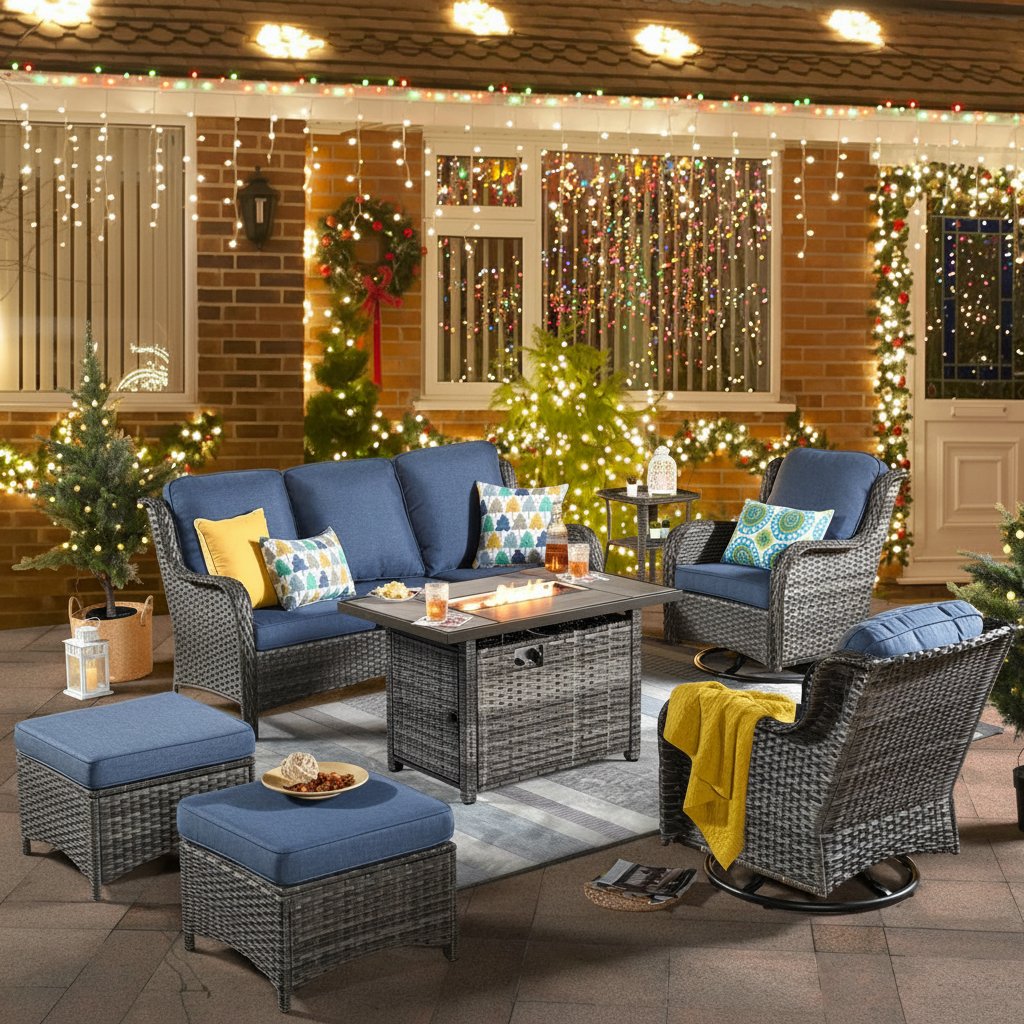
Ready to begin? Browse our Patio Conversation Sets or 5-7 Seats collections to find modular sectionals that support this phased approach. Many of our sets, including the OVIOS Outdoor 8 Piece Patio Furniture Set with Fire Pit Table, are designed specifically for this additive style of outdoor room building.
Frequently Asked Questions
What is the best first piece to buy for a complete outdoor room? A 5–7 piece modular outdoor sectional usually serves as the strongest Phase 1 anchor. It provides immediate practical seating while protecting space for future zones and maintaining required clearances. Starting here prevents the common regret of buying a beautiful but inflexible dining set that later limits your layout options.
How much space do I need for an outdoor room with a fire pit? Plan for at least 10 feet of clearance between the fire pit and any structure per NFPA guidelines, plus 36–48 inches of walkway around all furniture. A patio roughly 20 by 25 feet or larger can comfortably support both a full sectional and a fire pit table while preserving traffic flow. Smaller spaces may require choosing either a large seating area or the fire feature.
Can I mix different modular sectional pieces over multiple years? Yes, provided you stay within the same collection for weave, color, and cushion fabric. The modular flexibility of modern systems supports this additive approach, but inconsistent materials create the mismatched look most people want to avoid. Check availability of your exact color and style before purchasing the first pieces.
How do I keep traffic flow comfortable as I add more furniture? Measure and mark your 36-inch secondary pathways and 48-inch primary paths on the patio surface before buying anything. Use these lines as permanent boundaries when placing new modules. Modular pieces let you adjust configurations until the flow feels natural, but the initial clearance plan must be respected in every season.
Is HDPE wicker worth the extra cost for a phased outdoor room? For any project spanning multiple seasons, yes. HDPE offers superior UV and weather resistance compared with PVC or PP, reducing the chance that early pieces will look faded or damaged by the time you complete the room. This material consistency helps the entire space look intentionally designed rather than assembled piecemeal over time.
What if my patio is covered by a pergola—can I still add a fire pit table? Only if you can maintain the required vertical clearance, typically around 10 feet from the fire pit to the lowest point of the structure. Many pergola installations fall short of this height, creating a safety concern. Consider a gas fire pit with lower flame height or place the feature in an uncovered section of the patio instead.

Leave a comment
This site is protected by hCaptcha and the hCaptcha Privacy Policy and Terms of Service apply.