



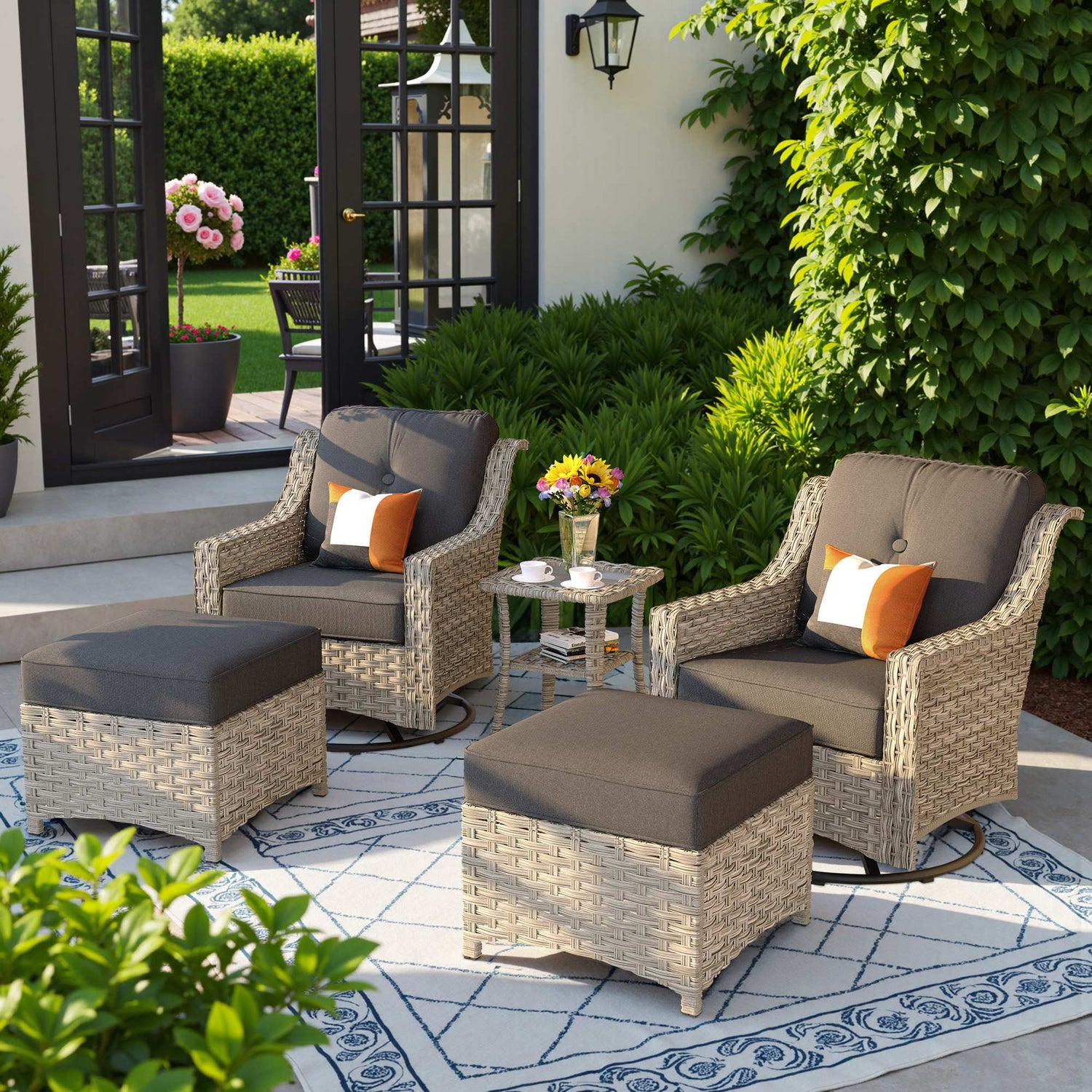
The Evolution of Outdoor Comfort: Why High-Back Seating is Trending
High-back patio seating has become a preferred choice for homeowners seeking true ergonomic comfort outdoors in 2026. Unlike low-back designs that can leave the upper back and neck unsupported during extended lounging, high-back options are designed to provide better spinal alignment and reduce the strain many experience after 30 minutes or more in shallow seating. This upgrade often provides the most value when your patio use involves long conversations, reading, or relaxed evenings, provided the seat depth, lumbar curve, and cushion quality match your body type and space.

For more insights on optimizing your space, you may find our guides on why ergonomic high-back seating is essential for outdoor living rooms and why high-back patio chairs are the secret to outdoor comfort helpful.
What Outdoor Ergonomics Really Means in 2026
Outdoor ergonomics focuses on designing patio furniture that supports natural posture rather than forcing the body into awkward positions. Key elements include back height that cradles the shoulders, lumbar support that maintains the spine's natural curve, seat depth that allows thighs to rest fully without pressure behind the knees, and armrests positioned for relaxed shoulders. As homeowners increasingly treat patios like true living rooms, the demand for these functional features has grown significantly.
In our experience observing outdoor lounging habits, older low-back sofas and chairs—while popular for their sleek, modern look—often fall short during long sessions. A common pattern is upper-back fatigue or neck discomfort after 45 minutes, especially when leaning back to relax. High-back designs address this by extending support typically above 24 inches from the seat, creating a more complete cradle for the torso. This isn't about medical claims but about practical comfort that allows you to stay outdoors longer without constantly shifting to relieve pressure.
High-Back vs. Low-Back Outdoor Seating: The Core Differences
The primary distinction lies in back height and the resulting level of support. High-back patio chairs and sofas usually measure between 24 and 32 inches from the seat to the top, enveloping the shoulders and upper back. Low-back options, often 16–22 inches, prioritize an open aesthetic but may leave the upper spine unsupported during reclined positions.
Seat depth is another critical factor. Ergonomic high-back sets frequently offer 20–24 inches of depth for proper thigh support, compared to shallower 16–19 inch low-back designs that can cause sliding or edge pressure. Cushion thickness of at least 4–5 inches with high-resilience foam helps maintain posture over time, while integrated lumbar curves (often subtle 1–2 inch outward bows) promote alignment without feeling forced.
As this high-back vs low-back patio furniture guide explains, the ergonomic edge comes from how these dimensions work together to reduce perceived fatigue. Low-back sofas can feel more inviting for quick sits or tight spaces, but they often require extra pillows for neck support during longer sessions.
The chart below illustrates heuristic comfort scores (0–10 scale) across typical patio scenarios. These modeled values are for planning guidance only, derived from common use patterns where high-back designs excel in sustained lounging and deep relaxation. Scores reflect relative support suitability and are not from lab tests.
High-Back vs Low-Back Patio Seating Comfort by Scenario
Heuristic comfort comparison across patio use scenarios
View chart data
| Category | High-Back Comfort Score | Low-Back Comfort Score |
|---|---|---|
| Long lounging | 9.0 | 6.0 |
| Casual conversation | 7.0 | 8.0 |
| Outdoor dining | 8.0 | 7.0 |
| Reading / remote work | 8.0 | 5.0 |
| Short sit-down breaks | 6.0 | 7.0 |
| Deep relaxation | 10.0 | 4.0 |
Illustrative comparison built from scenario-matrix-style use patterns and common outdoor seating ergonomics. Scores are heuristic comfort/support ratings on a 0–10 scale for planning only, not measured test results. High-back seating is generally associated with back support targets above 24 inches, while low-back seating is favored when openness and easy movement matter more.

Key Ergonomic Features That Deliver Real Patio Comfort
When evaluating high-back outdoor furniture, prioritize these measurable attributes to ensure long-term satisfaction:
- Back Height: Aim for 24 inches or taller for full upper-back and neck support. Anything shorter often requires supplemental pillows for true relaxation.
- Lumbar Support: Look for a gentle curve 6–10 inches above the seat that fills the lower back's natural inward arc.
- Seat Depth and Height: Ideally 20–24 inches deep and 16–19 inches high to keep feet flat and knees at a comfortable 90–110 degree angle.
- Armrest Height: A typical range of 8–10 inches above the seat allows shoulders to relax without hunching.
- Cushion Quality: High-density quick-dry foam (at least 4 inches thick) wrapped in performance fabrics like olefin helps resist fading, moisture, and flattening.
These features combine to promote neutral spine alignment during typical outdoor postures. For example, deeper seats help prevent the common “slouch forward” that low-back designs can encourage. As noted in guides on choosing comfortable patio cushions, cushion resilience directly affects how long ergonomic benefits last before the seat bottoms out.
Scenarios Where High-Back Seating Wins (and When It Doesn't)
High-back patio seating generally improves comfort in scenarios involving extended time outdoors. For long lounging, reading, remote work, or deep relaxation sessions lasting over an hour, the added support reduces the need to adjust position. Taller or broad-shouldered users particularly benefit, as the taller back matches their torso length and prevents neck craning.
However, high-back designs are not ideal for every patio. In compact spaces, narrow decks, or areas where furniture must be moved frequently, the taller profile can feel bulky and may obstruct views or walkways. Smaller-framed users who sit more upright may find extra height unnecessary. Low-back sofas often suit these situations better, offering easier maneuverability and a lighter visual footprint.
- When to choose high-back: Fixed lounge zones, family gathering areas for evening conversations, or patios used for reading and unwinding. It is a logical upgrade from older low-back sets if the main complaint is upper-back or shoulder fatigue.
- When low-back may be preferable: Small balconies, high-traffic areas requiring frequent rearrangement, or if your primary use is short meals and casual drinks.
2026 Recommendations for Ergonomic Patio Furniture
Current high-back collections emphasize modular designs that allow you to customize depth, cushion firmness, and layout. Look for sets with UV-resistant PE wicker frames, rust-proof aluminum bases, and olefin or solution-dyed fabrics for longevity. Plush 5–6 inch cushions with water-resistant liners add both comfort and ease of maintenance.
Consider these popular options known for ergonomic performance:
- The OVIOS Vultros 2-Piece High Back Arm Chairs deliver supportive frames with deep seating ideal for two-person patios.
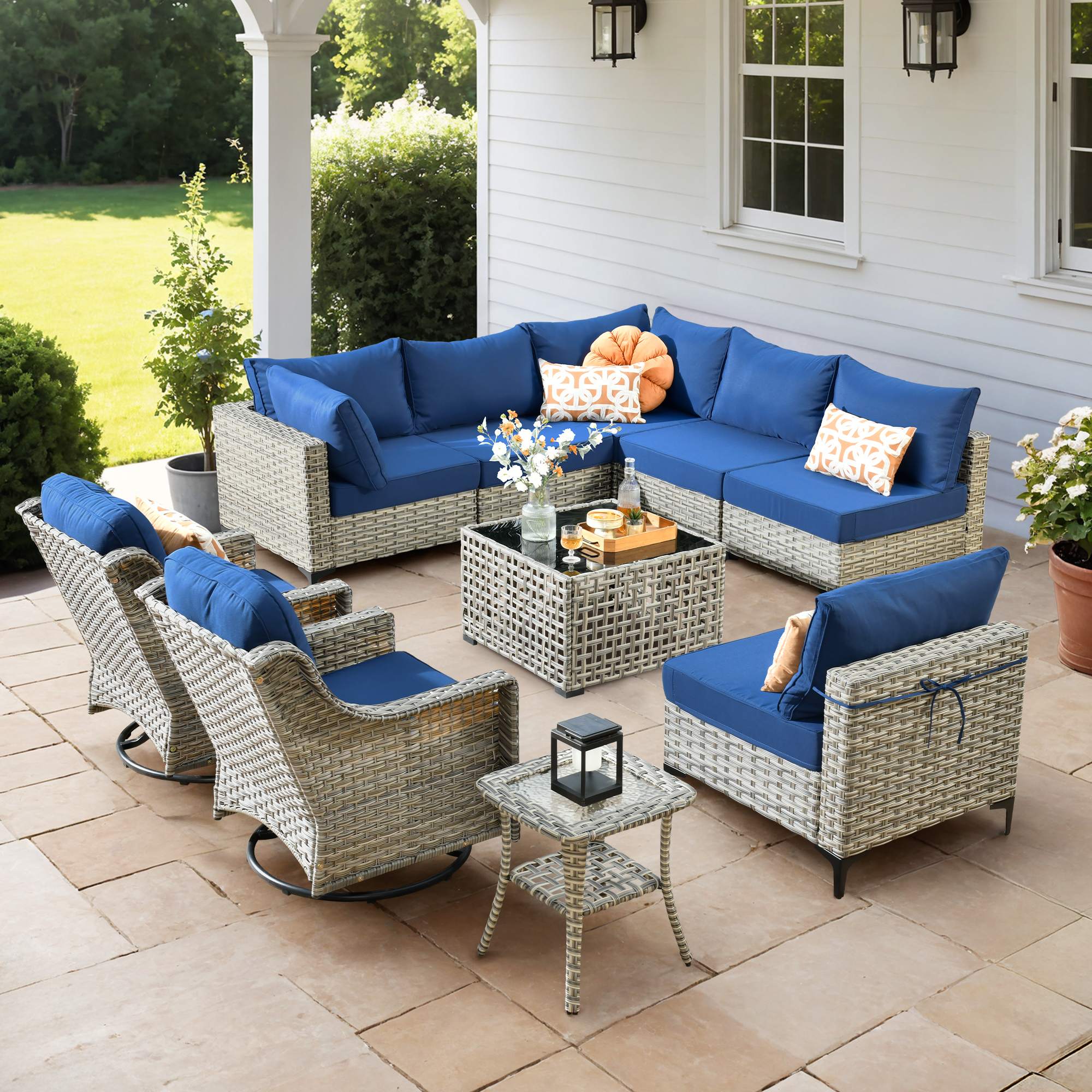
- For gatherings, the 7-Person High Back Sectional Sofa combines modular flexibility with consistent lumbar and shoulder support.
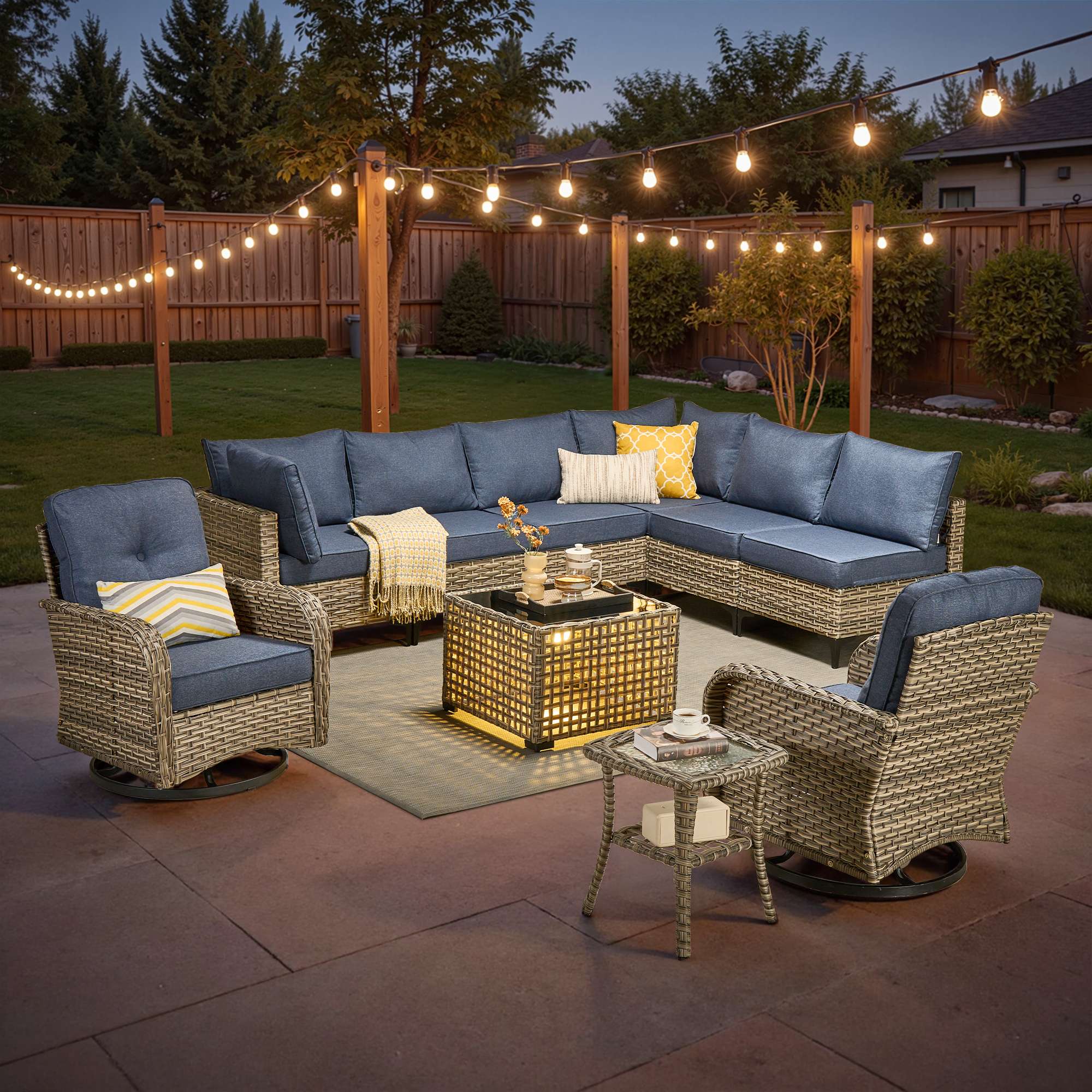
- Larger setups like the 8-Piece High Back Patio Set scale these ergonomic principles across more seats.
You can browse the full outdoor chairs collection or sofa sets to match the scale to your space. Many include the performance fabrics detailed in this olefin guide.
How to Choose and Set Up High-Back Patio Furniture
Follow this practical checklist before making a purchase:
- Measure your space: Ensure at least 3–4 feet of clearance behind high-back pieces for full recline without wall interference.
- Match to body types: Taller users (over 5'10") usually benefit from 28+ inch backs; check seat depth so knees don't hang over the edges.
- Evaluate cushion resilience: Press firmly—quality foam should spring back quickly and feel supportive, not sink immediately to the frame.
- Check modularity and maintenance: Look for replaceable cushions and weatherproof materials to protect your investment, as covered in analyses of outdoor furniture economics.
- Positioning: Place seating to face focal points like gardens or fire features at a slight angle to encourage natural conversation posture. Add ottomans or footrests for even longer sessions without compromising lumbar contact.
Conclusion: Investing in Long-Term Outdoor Comfort
As outdoor spaces evolve into true extensions of the home, furniture must deliver indoor-level comfort without sacrificing durability. High-back designs meet this need by prioritizing ergonomic support that allows people to truly unwind and enjoy their patios more fully. While not every situation demands a taller profile, the comfort gains for sustained use make it a smart upgrade for most modern setups in 2026.
Ultimately, the best choice depends on your specific patio dimensions, typical activities, and personal proportions. By focusing on measurable features like back height, lumbar curve, and resilient cushioning, you can select ergonomic outdoor furniture that enhances your enjoyment for years to come.
Comfort and Setup Disclaimer: This article discusses ergonomic features, posture support, and setup considerations for outdoor furniture to improve perceived comfort during use. It does not constitute medical advice, diagnosis, or treatment for any condition. Furniture comfort is highly individual and depends on body type, specific product dimensions, cushion quality, and room conditions. If you experience persistent discomfort, pain, or have existing medical conditions, consult a qualified healthcare professional. Individual results may vary.

Leave a comment
This site is protected by hCaptcha and the hCaptcha Privacy Policy and Terms of Service apply.