



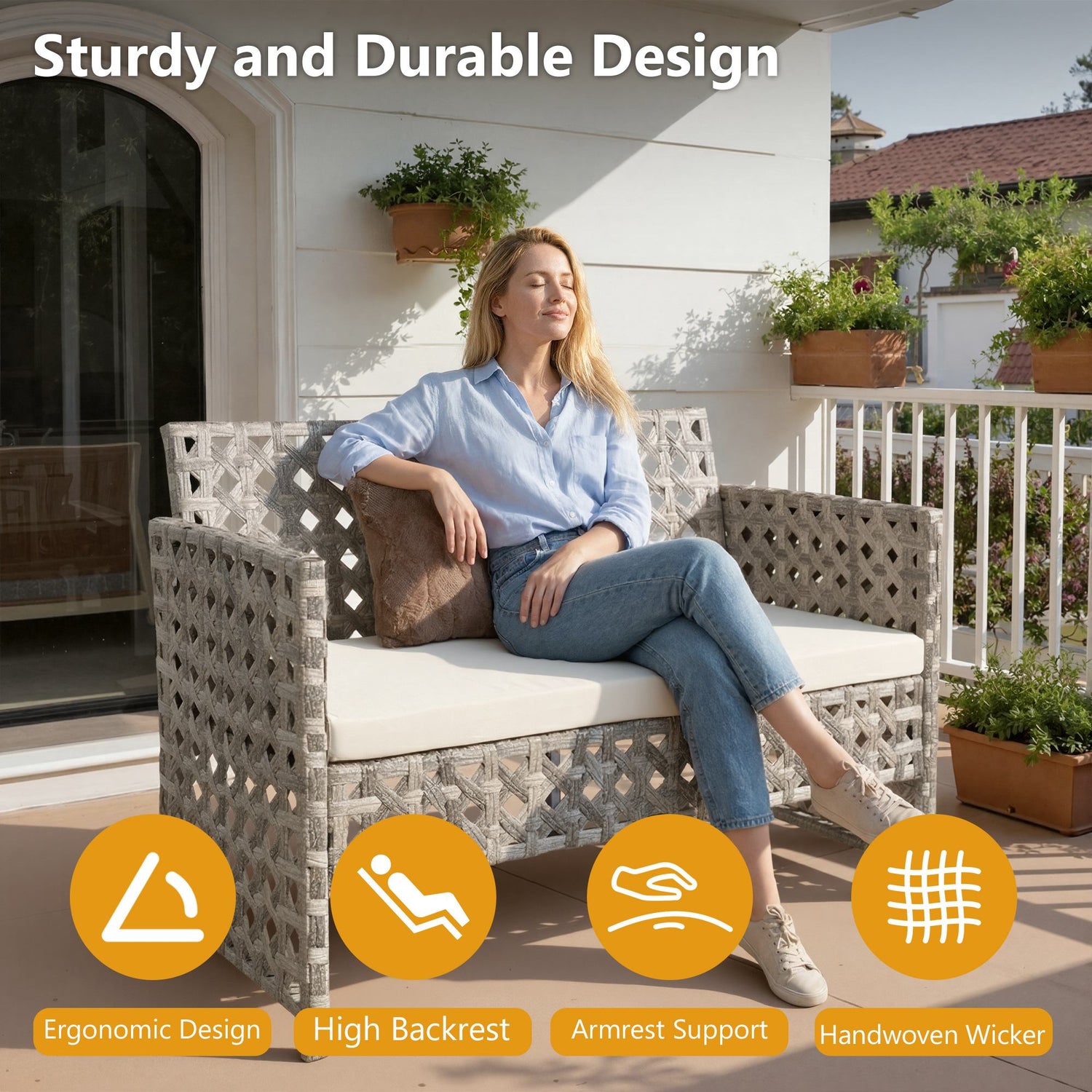
High-Back vs. Low-Back: Quick Comparison for Outdoor Seating
When choosing patio furniture, the "right" back height depends heavily on how you intend to use the space. While low-back sets often win on modern aesthetics, high-back designs are engineered for sustained physical support.
| Feature | High-Back Patio Furniture | Low-Back Patio Furniture |
|---|---|---|
| Best For | Long lounging (30+ mins), reading, dining | Short visits, cocktail hours, small balconies |
| Support Zone | Lumbar, mid-back, and upper scapula | Lumbar only (or lower) |
| Stand-up Ease | High (better leverage with armrests) | Moderate to Low (requires more core strength) |
| Visual Impact | Substantial, traditional, or "cozy" | Minimalist, open, modern |
| Common Regret | Can feel "bulky" in very tight spaces | Fatigue/slouching during long sessions |

Understanding the Ergonomic Basics of Outdoor Seating
Ergonomic seating principles apply just as much to your deck as they do to an office. A chair that supports the natural curves of the spine reduces "static loading"—the strain placed on muscles when they have to hold your body upright without assistance. According to occupational safety guidelines, a supportive chair should accommodate the lumbar region and allow for frequent posture changes. Workstation Components - Chairs
In the outdoor context, the primary difference lies in torso coverage. Low-back patio chairs typically terminate below the shoulder blades. This leaves the upper back unsupported, often forcing the user into a "C-shape" slouch. High-back designs reach toward the neck area, providing a vertical surface that encourages the chest to remain open and the shoulders to relax.
Armrests are the "silent partners" in this ergonomic equation. They provide postural stability and act as a lever to assist with the transition from sitting to standing, a factor emphasized in ergonomics research from Cornell University. Ergonomics of sitting For older adults or those with mild back sensitivity, this extra leverage is often the deciding factor in long-term comfort.
Why Low-Back Furniture Often Leads to "Buyer's Remorse"
Low-back wicker furniture is a staple of modern design because it keeps sightlines open and looks sleek in photos. However, a common pattern in consumer feedback is the "30-minute wall." While a low-back chair feels perfectly fine for a quick 10-minute coffee, the lack of upper-back guidance causes the lumbar curve to flatten over time.
When the lower back loses its natural arch, it can lead to muscle fatigue and discomfort, as noted in workspace safety evaluations. Evaluating your computer workspace | Oregon OSHA This is why many homeowners find themselves adding extra throw pillows to low-back sets—they are instinctively trying to fill the gap where support is missing.
Boundary Condition: Low-back furniture is not "bad" by default. It is highly effective for "perch" seating—areas meant for active conversation and frequent movement. It only becomes a liability when used for "lounge" activities like reading or napping, where the body remains static for long periods.
How High-Back Chairs Provide Superior Support
High-back patio furniture delivers a more complete support system by distributing body weight across a larger surface area. Official ergonomic resources suggest that backrests providing broader coverage are generally more effective at reducing pressure points than those focusing solely on the lumbar. How to Choose an Ergonomic Chair
To maximize this benefit, look for these technical details:
- Backrest Height: For true "high-back" benefits, the chair should reach at least the mid-scapula (shoulder blade) of the average user.
- Cushion Density: High-back support fails if the cushion is too soft. Look for medium-high density foam that prevents "bottoming out" against the frame.
- Armrest Width: Extra-wide armrests, such as the 7.68-inch versions found on certain Ovios models, provide a stable platform for the forearms, which reduces the load on the neck and upper shoulders. Office Ergonomics - Environment, Health and Safety
Ergonomic Support Comparison: High-Back vs Low-Back Patio Chairs
Illustrative relative scores only; not official measurements.
View chart data
| Series | Lumbar Support | Upper Back Support | Ease of Standing | Long-Sit Comfort | Style |
|---|---|---|---|---|---|
| High-Back Chair | 8.0 | 9.0 | 8.0 | 8.0 | 5.0 |
| Low-Back Chair | 5.0 | 4.0 | 5.0 | 5.0 | 9.0 |
Heuristic 0-10 scores derived from writer evidence and ergonomic guidance: backrest should follow the spine's natural curvature and provide lumbar support; armrests can aid standing up and sitting down. High-back is scored higher for upper-back support, lumbar consistency, and standing assistance; low-back is scored higher for style/compactness. Scores are illustrative, not official statistics.
The radar chart above illustrates these relative strengths based on common ergonomic heuristics. While high-back chairs prioritize support and ease of movement, low-back chairs excel in compact styling. These scores are illustrative of general design tradeoffs.
Decision Guide: Which Style Fits Your Lifestyle?
Choose High-Back If:
- You are a "Long-Sitter": You plan to spend more than 45 minutes at a time reading or relaxing outdoors.
- Mobility is a Priority: You or your guests (such as elderly family members) prefer chairs that are easier to get in and out of.
- Back Sensitivity: You have a history of mild lower or mid-back discomfort and need a structured seat to maintain posture.
Choose Low-Back If:
- Visual Space is Limited: You have a stunning view you don't want to block with tall furniture.
- Social "Perching": Your outdoor area is used primarily for high-energy social gatherings where people move around frequently.
- Modern Minimalism: Your aesthetic requires the low-profile, "sunken" look common in contemporary luxury design.
How to Test for Ergonomic Fit
Before finalizing a purchase, perform the "5-Minute Lean Test":
- Sit in the chair and lean back fully. Does the backrest reach your shoulder blades?
- Relax your arms. Do the armrests allow your shoulders to stay level, or are they pushed up/dropping down?
- Try to stand up without using your core muscles. Do the armrests provide enough leverage to push off?
If you experience persistent back pain, consult a healthcare professional. This guide provides general comfort considerations and is not a substitute for medical advice.
Styling High-Back Sets for Modern Patios
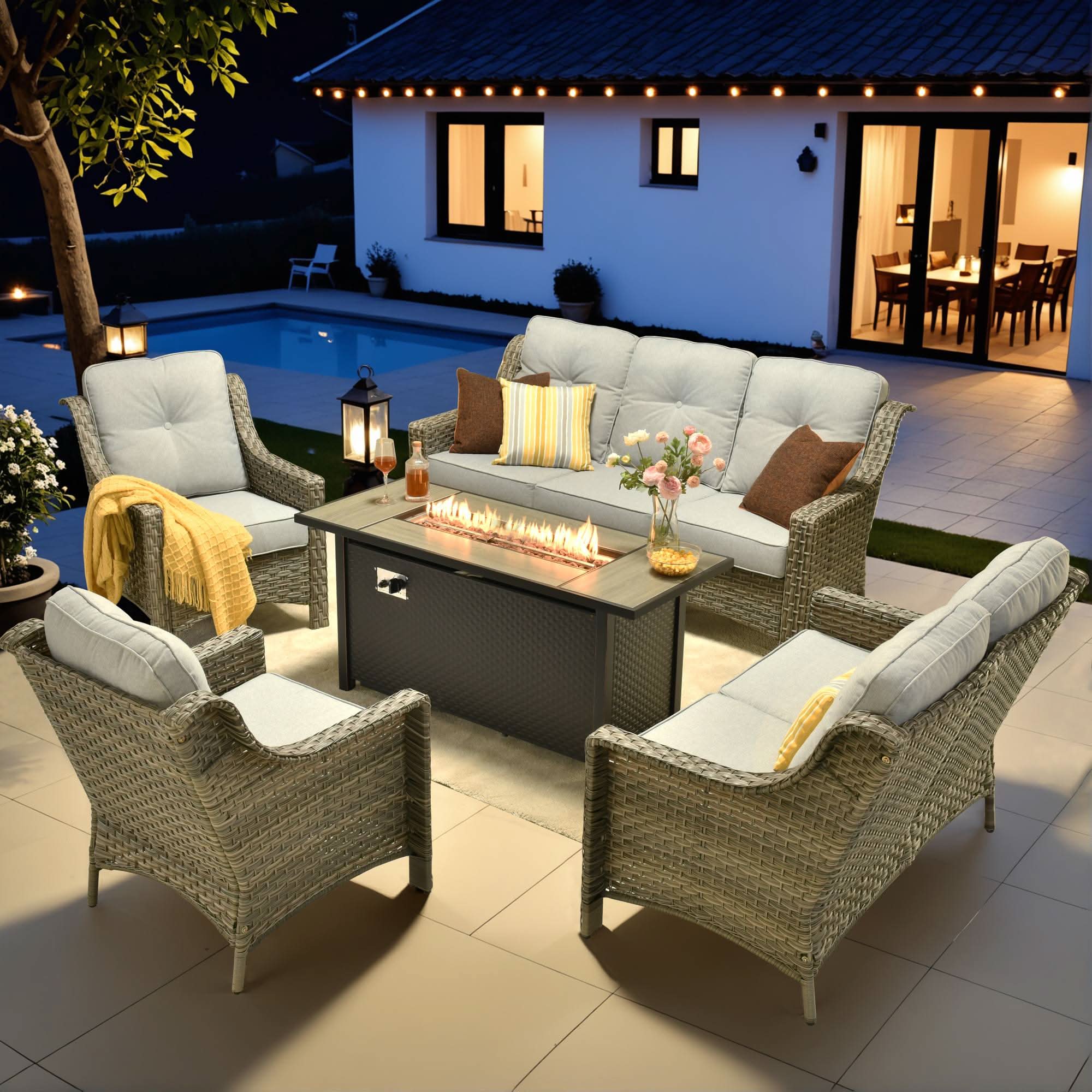
You don't have to sacrifice style for support. Modern brands like Ovios have bridged the gap by using modular designs and premium PE wicker. Their Outdoor Conversation Set with 7.68" Extra-Wide Armrests and Rocking Chairs is a prime example of how high-back support can be integrated into a contemporary, inviting layout.
To prevent high-back furniture from "overwhelming" a small patio, try these styling tips:
- Neutral Tones: Use grey or beige wicker to help the taller profiles blend into the background.
- Open Arrangements: Place high-back pieces against walls or railings to keep the center of the patio feeling open.
- Mix and Match: Use a high-back sofa for lounging and low-back stools for the bar area.
For more detailed advice on selecting the right pieces, see the Complete Buying Guide: How to Choose the Perfect Outdoor Sofa.
Final Verdict: High-Back or Low-Back?
For the majority of homeowners seeking a "living room feel" outdoors, high-back patio furniture is the superior choice. It offers the necessary support for extended use and accommodates a wider range of body types and mobility levels. Low-back designs remain an excellent choice for specific aesthetic goals or short-duration seating, but they rarely provide the "all-day comfort" that makes an outdoor space truly functional.
To explore a variety of supportive designs, browse the Patio Conversation Sets collection to find a balance of height, depth, and style that fits your home.
Disclaimer: This article offers general guidance on comfort and ergonomic considerations for patio furniture. It is not medical advice. If you have existing back conditions or ongoing discomfort, please consult a qualified healthcare provider for personalized recommendations.

Leave a comment
This site is protected by hCaptcha and the hCaptcha Privacy Policy and Terms of Service apply.