



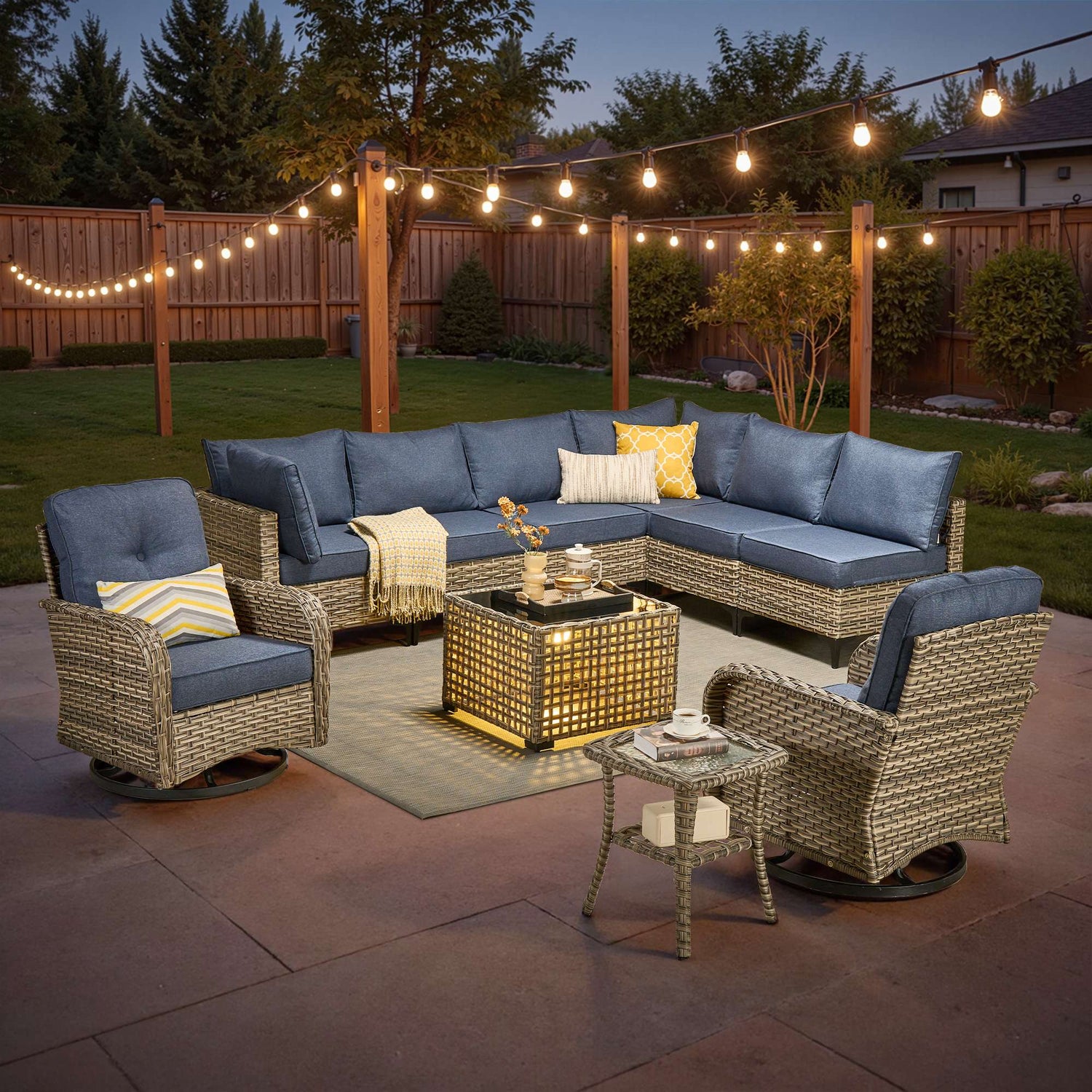
The Rise of Modular Outdoor Living in 2026
Modular outdoor living has become the preferred way to create flexible, upscale backyard spaces in 2026. The right combination of modular patio furniture delivers adaptable seating for family evenings or large gatherings while maintaining comfort and long-term durability without constant replacement. Success depends on matching your specific space, usage patterns, and climate to the correct configuration rather than simply choosing the largest or most stylish set available.
Related Guides
Why Modular Patio Furniture Dominates Outdoor Design in 2026
Homeowners increasingly favor modular designs because they allow reconfiguration as needs change. A sectional that works for quiet mornings can expand for weekend entertaining or contract for everyday family use. This adaptability helps maximize limited deck or patio space while supporting an upscale aesthetic that feels intentional rather than temporary.
Modern modular outdoor sectionals combine deep seating, weather-resistant materials, and sturdy frames that stand up to sun, rain, and temperature swings. When chosen thoughtfully, these systems create defined outdoor rooms that enhance property value and daily enjoyment. The key is understanding when modularity truly adds value versus when a simpler fixed arrangement would perform better.

How to Choose the Right Size and Layout for Your Space
The first decision involves matching furniture scale to your actual area while preserving circulation. A common mistake is focusing on maximum seats while overlooking walking paths, resulting in cramped layouts that feel less luxurious in practice.
A practical starting point uses circulation-first planning. We typically recommend leaving clear pathways of at least 3 feet around seating groups so the space feels open rather than crowded. Fire pit tables require additional safety clearances—often 3-5 feet depending on the model—to allow comfortable movement during use.
Consider these common industry benchmarks when evaluating options:
- Seating depth: Approximately 28-30 inches provides lounge-like comfort suitable for extended outdoor time.
- Cushion thickness: Around 5 inches offers a plush feel that supports upscale lounging.
- Spatial planning: Plan for roughly 25-35 square feet per person, including tables and circulation, for comfortable upscale arrangements.
This outdoor sectional buying guide offers additional measurements and configuration tips that align well with real-world patio planning.
Scenario-Based Layout Recommendations
The best modular patio layout changes based on your primary use, available space, and climate. A one-size-fits-all approach often leads to regret when the furniture proves too large for daily movement or too delicate for local weather.
Use this framework to identify the most suitable configuration:
- Small balcony or compact patio: Opt for 1-2 seat modular loveseats or compact sectionals that maintain open circulation. Larger sets tend to overwhelm these spaces and reduce usability.
- Medium patio with mixed daily and guest use: Choose 4-6 seat reconfigurable modular pieces that can split into smaller groupings. This flexibility supports both family routines and occasional entertaining without dominating the area.
- Large backyard or dedicated outdoor room: An 8-13 piece set works effectively when the layout can incorporate distinct zones for seating, dining, and conversation. These larger configurations shine when space allows full circulation around the furniture.
- Frequent entertaining: Prioritize fire-pit-centered modular arrangements that create a natural social anchor. Guests gravitate toward these focal points, making the layout feel more intentional and upscale.
- Daily family use: Select stable, comfortable configurations that require minimal rearrangement. Deep-cushioned modular pieces with easy-clean materials reduce daily maintenance while delivering consistent comfort.
- Harsh or variable climate: Focus on durability over maximum size. Choose fewer, higher-quality pieces with robust weather resistance rather than large sets that increase cleaning and potential wear.

Here is a visual overview of how different scenarios map to practical layout choices:
Modular Outdoor Furniture: Scenario-to-Layout Guide
Illustrative scenario mapping for layout planning, using conservative heuristics and common design thresholds.
View chart data
| Category | Recommended seats | Fire pit included (0/1) | Min circulation (ft) |
|---|---|---|---|
| Small balcony | 2.0 | 0.0 | 2.0 |
| Medium mixed use | 5.0 | 0.0 | 3.0 |
| Large backyard | 10.0 | 1.0 | 4.0 |
| Entertaining | 9.0 | 1.0 | 5.0 |
| Family daily | 6.0 | 0.0 | 3.0 |
| Harsh climate | 4.0 | 0.0 | 3.0 |
Illustrative heuristic mapping derived from scenario guidance and planning thresholds: small balcony 1–2 seats; medium mixed-use 4–6 seats; large backyard 8–13 seats with fire pit; entertaining centers on fire pit; family daily prioritizes stable comfort; harsh climate prioritizes durability. Seat depth guidance (28–30 in), cushion thickness (~5 in), and clearance needs inform the circulation estimate.
This chart uses illustrative values based on common planning heuristics to help visualize trade-offs. Actual fit depends on your precise measurements and intended use. The guide to building a complete outdoor room with modular furniture and fire pits provides detailed clearance recommendations and zone planning examples.
Evaluating Comfort Features in Modular Outdoor Furniture
True upscale comfort extends beyond appearance to ergonomics and support. Look for seating depths of approximately 28 inches or more that allow you to sit back fully without pressure behind the knees. Cushions at least 5 inches thick with supportive yet soft filling—such as memory foam or high-density foam wrapped in weather-resistant fabric—tend to maintain comfort over time.
Ergonomic considerations include slightly reclined back angles and armrest heights that support natural posture during extended outdoor sessions. Modular designs often allow customization of chaise or ottoman placement to create personalized lounging positions.
Test comfort in person when possible by sitting in various configurations. Pay attention to whether the seat feels stable yet sink-in comfortable rather than overly firm or too soft. Many premium options now incorporate quick-dry foams and breathable fabrics that resist heat buildup in direct sun.
For smaller spaces, the guide to maximizing comfort on a small apartment balcony shares targeted strategies that translate well to compact patios.
Durability Factors That Matter Most in 2026
Outdoor furniture faces intense UV exposure, moisture, temperature fluctuations, and occasional severe weather. Choosing materials rated for these conditions prevents premature fading, cracking, or structural failure.
Frames made with hot-dip galvanizing offer superior rust resistance compared to standard powder-coated or stainless options in many climates. This process creates a thick zinc layer that self-heals minor scratches and significantly extends frame life.
For woven elements, PE wicker generally outperforms natural cane for outdoor use due to its resistance to moisture, mold, and UV degradation. PE wicker maintains shape and color longer while requiring minimal maintenance. The comparison between cane vs PE wicker highlights these practical differences in detail.
Fabrics should meet high standards for water and stain resistance. Olefin and similar solution-dyed materials resist fading better than many traditional outdoor textiles and dry quickly after rain. Removable, washable cushion covers add convenience for seasonal cleaning.
Avoid sets that prioritize appearance over construction. The guide to true durability explains how to identify furniture built for long-term outdoor performance rather than short seasonal use.
Creating an Upscale Outdoor Aesthetic with Modular Designs
Achieving a luxury look involves more than selecting neutral colors. Coordinated modular pieces in complementary textures, such as woven wicker frames with plush corduroy-style cushions, create visual depth and sophistication.
Incorporate natural elements like stone or wood accents alongside the furniture to soften the overall appearance. Strategic lighting, whether solar path lights or low-voltage fixtures, extends usability into evening hours while highlighting the layout.
Keep the design cohesive by limiting the color palette to 2-3 tones and repeating shapes or materials across seating, tables, and accessories. Fire pit tables serve as both functional and visual centerpieces that anchor the space.
Popular upscale combinations include L-shaped or U-shaped sectionals paired with matching ottomans and side tables. These arrangements encourage conversation while maintaining an open, inviting flow. Explore the full range of outdoor sofa collections for inspiration on scalable configurations.
Common Myths About Modular Outdoor Furniture
Several misconceptions can lead to disappointing purchases. One frequent myth suggests that any "weather-resistant" label guarantees equal performance. In reality, durability varies significantly based on frame treatment, weave quality, and fabric construction.
Another assumption is that larger sets automatically deliver better value. Oversized modular furniture can create extra maintenance work and layout challenges if the space cannot accommodate proper circulation.
Many also believe premium styling ensures low upkeep. In practice, even upscale pieces require periodic cleaning and occasional cushion replacement depending on exposure. Understanding these realities helps set appropriate expectations.
When Modular Outdoor Furniture May Not Be the Best Choice
Modular systems do not suit every situation. If you prefer a completely "set-and-forget" arrangement with no interest in reconfiguration, a traditional fixed patio set often proves simpler and more cost-effective.
Very small or heavily trafficked spaces may feel constrained by large modular pieces that limit movement. Similarly, if your climate involves extreme conditions and you lack covered storage, a smaller number of highly durable pieces may outperform a larger modular set.
Buyers focused purely on aesthetics without plans to adapt the layout might find fixed conversation sets more practical. Consider your actual habits rather than aspirational ones when deciding.
How to Design Your Modular Patio Layout Step by Step
- Measure accurately: Include any permanent features like railings, posts, or door swings.
- Define primary uses: Determine if the space is for daily relaxation, family activities, or frequent entertaining.
- Sketch zones: Map out areas for seating, circulation, and focal points such as fire pits.
- Select core pieces: Choose modular units that fit the largest intended group while preserving pathways.
- Add flexible elements: Incorporate movable ottomans or extra chairs for adaptability.
- Match materials to climate: Choose frames and fabrics based on your local weather and maintenance tolerance.
- Test the arrangement: Use painters tape or temporary markers on your patio to visualize the fit before final purchase.
This systematic approach reduces the risk of buying furniture that looks impressive in photos but underperforms in your specific yard.
Recommended Modular Outdoor Furniture Options for 2026
Several configurations stand out for balancing flexibility, comfort, and durability. The OVIOS Outdoor 8 Piece Patio Furniture Set with Fire Pit Table creates an instant conversation area with weather-resistant wicker and plush cushions.
For larger gatherings, the OVIOS Patio Furniture Set 10-Piece with Fire Pit seats eight comfortably while maintaining an upscale profile. The 13-piece version expands capacity further for bigger backyards.
Smaller spaces benefit from targeted pieces within the 1–2 seat collections that deliver comfort without overwhelming limited areas. These options allow gradual expansion as needs evolve.
Review the outdoor loveseat buying guide for additional insights on ergonomic features and material selection.
Final Considerations Before Purchasing
Investing in quality modular outdoor furniture creates a versatile luxury retreat that adapts with your lifestyle. Prioritize pieces with proven durability features like hot-dip galvanized frames and high-performance fabrics, especially in exposed locations.
Take time to verify spatial fit and test comfort configurations. Consider future needs so your initial purchase supports growth rather than requiring complete replacement.
When selected and arranged thoughtfully, modular patio furniture transforms ordinary backyards into sophisticated outdoor living spaces that deliver comfort, style, and longevity for years to come. Explore the 11-12 seat collections or outdoor chairs to complete your ideal setup.
This article provides general guidance on comfort, layout, and material considerations for outdoor furniture. It does not constitute professional design, engineering, or medical advice. Furniture performance depends heavily on specific product quality, installation, local climate conditions, and regular maintenance. For persistent issues with outdoor spaces or if you have specific health or safety concerns, consult qualified professionals such as landscape architects or certified contractors. Always follow manufacturer instructions and local safety regulations when installing fire features or large furniture sets.


Leave a comment
This site is protected by hCaptcha and the hCaptcha Privacy Policy and Terms of Service apply.