



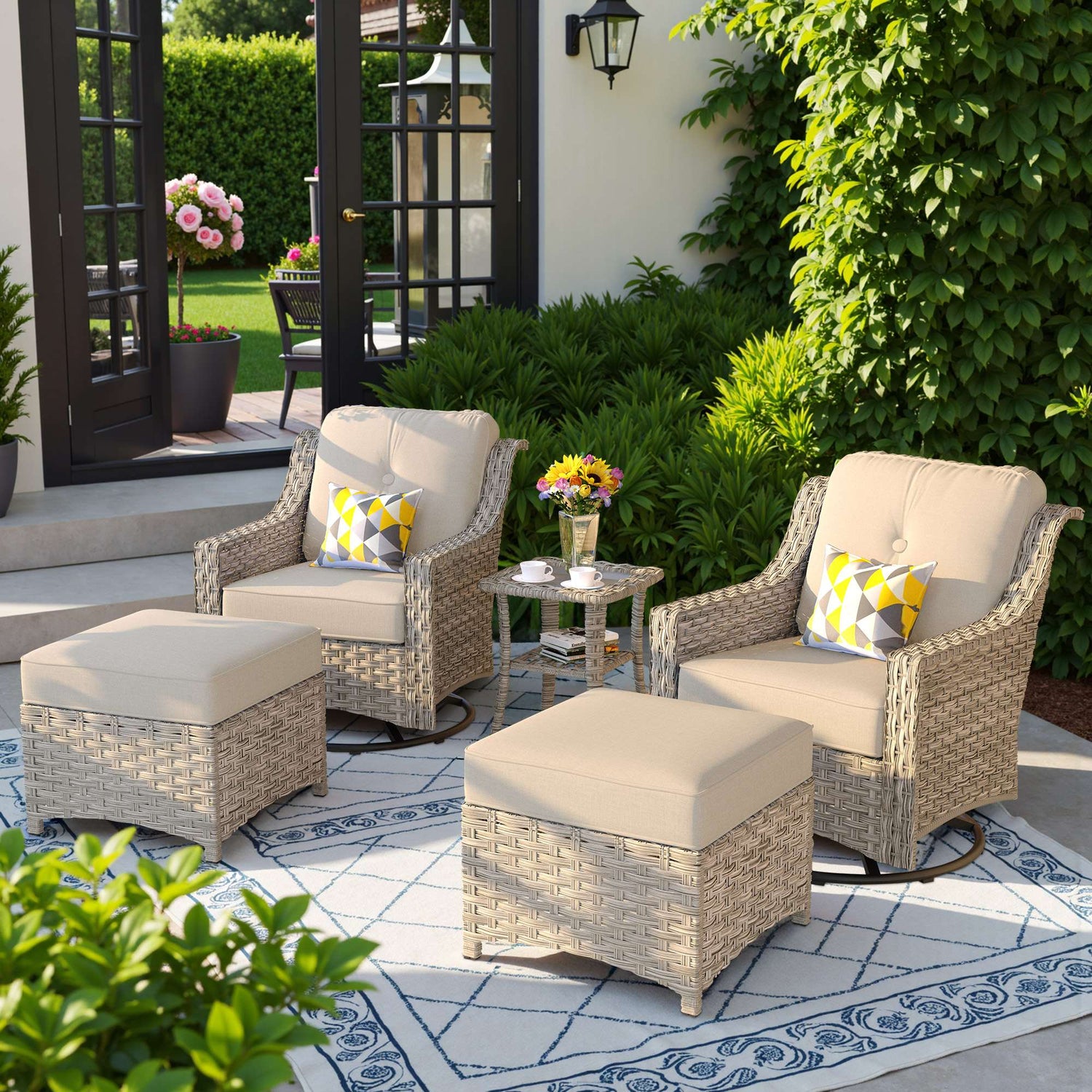
Urban apartment balconies can deliver real relaxation even when space is tight. By choosing compact high-back seating scaled to your balcony's actual dimensions, defining one primary use, and preserving clear pathways, you can create a comfortable outdoor retreat without sacrificing walkability or safety.

Small balconies often feel more cramped than they need to because furniture is selected for looks alone rather than how the space functions day to day. The key is to treat the balcony like a tiny outdoor room: first decide whether it will serve mainly for solo lounging, morning coffee, reading, or occasional dining, then select pieces that support that use while leaving room to move.
Why Comfort on a Small Balcony Depends on Layout First
Many people assume that adding more furniture or deeper cushions automatically increases comfort. In reality, comfort in tight urban spaces comes more from usable circulation and flexibility than from softness alone. According to landscape design guidance from North Carolina State University, outdoor areas work best when planned around specific user needs rather than simply filling the space with pieces.
Similarly, Mississippi State University Extension notes that small outdoor spaces succeed when assigned one or two clear functions instead of trying to accommodate every possible activity. On a balcony this means resisting the urge to fit a full dining set if your main goal is evening unwinding with a book.
A Pennsylvania State University resource on healing gardens highlights that lightweight, movable seating often creates more practical comfort because the space can be reconfigured or cleared quickly. This flexibility matters especially for apartment renters who may need to store or rearrange furniture seasonally.
Common Myths That Lead to Regret on Small Balconies
Several widely repeated ideas can steer buyers toward choices that reduce rather than enhance usability:
- Myth: More pieces make the balcony feel cozier. Reality: Extra items often crowd the space, interfere with movement, and make the area feel smaller. A clutter-free layout usually delivers better daily comfort.
- Myth: If a chair fits physically, it is fine. Reality: Physical fit is only part of the picture. You must also maintain clear egress paths so doors and walkways stay unobstructed, as emphasized in NFPA guidance on means of egress.
- Myth: Fixed, heavy seating is always more comfortable. Reality: Movable pieces often prove more practical because they let you adjust for different uses or quickly clear the balcony when needed.
- Myth: Comfort depends mostly on cushion thickness and style. Reality: In small spaces, layout, access, and ease of maintenance frequently matter more than plushness alone.
These corrections align with official planning principles that prioritize function and safe circulation over decorative density.
Practical Sizing Guide: Chair Dimensions and Clearance
Choosing the right footprint is critical. Oversized chairs can block doors or force sideways shuffling, turning a relaxing space into a frustrating one.
Here is an illustrative bar chart showing typical chair dimensions against a conservative walkway clearance target for a common 5 × 10 ft balcony. The values are heuristic approximations synthesized from layout logic and egress-first planning; they are not official standards or measured product specifications.
Balcony Chair Sizing Guide: Fit vs. Clearance on a 5×10 ft Layout
Use as a sizing heuristic, not a measured code table.
View chart data
| Category | Typical width | Typical depth | Usable threshold |
|---|---|---|---|
| Compact chair | 22.0 | 24.0 | 24.0 |
| Compact high-back chair | 26.0 | 30.0 | 28.0 |
| Oversized lounge chair | 32.0 | 34.0 | 30.0 |
| Keep main walkway clear | 0.0 | 0.0 | 24.0 |
Heuristic / illustrative sizing guide for a typical 5×10 ft apartment balcony. Width and depth values are approximate design ranges synthesized from layout logic and egress-first planning; not official standards. The threshold line represents a conservative minimum target to keep a narrow balcony circulation path usable while allowing one chair to sit without blocking the walkway.
Compact and compact high-back chairs generally stay closer to usable thresholds, while oversized lounge chairs often exceed practical limits for narrow balconies. Always measure your actual space and prioritize a clear walkway of at least 24 inches where possible.
When Different Balcony Scenarios Call for Different Solutions
The best furniture choice often depends on your balcony's shape, your rental or ownership status, and how you intend to use the space.
- Narrow balcony, renter, occasional lounging: Opt for foldable or lightweight compact chairs and a small side table. Movable pieces let you maintain circulation and store furniture easily when needed.
- Square or deeper balcony, owner, regular reading or coffee: Two compact high-back chairs or a small loveseat with a side table can create a stable relaxation zone without overwhelming the area.
- Balcony used mainly for dining: A compact bistro set or slim table with lightweight chairs works best. Easy-to-pull seating prevents the table from blocking access.
- Solo relaxation or reading focus: One well-chosen deeper lounge chair with an ottoman or small surface often delivers more genuine comfort than trying to fit multiple seats.
These scenarios illustrate that comfort flips more from layout control and flexibility than from style or cushion count alone.
Materials and Durability for Apartment Balconies
Weather exposure on balconies can be intense even in urban settings. Choose materials known to handle outdoor conditions such as synthetic wicker, aluminum, or treated wood. Interior design resources for outdoor living commonly list these as practical options for exposed areas.
Look for UV-resistant and water-repellent cushions that dry quickly. Removable covers simplify cleaning and storage, which matters when indoor space for off-season items is limited. Avoid pieces that are too heavy to move regularly, as this can lead to mildew or dirt buildup in hard-to-reach spots.
Safety and Compliance Reminders
Never block balcony doors, walkways, or emergency egress paths. Furniture placement must keep exits clear, as outlined in basic means-of-egress principles. Check local building rules or HOA guidelines before placing anything near railings or edges, particularly if your balcony has specific height or weight restrictions.
Important comfort and safety boundary: This article discusses setup advice and layout considerations for small outdoor spaces. It does not constitute medical advice, diagnosis, or treatment. If you experience persistent discomfort, eye strain, or have existing health conditions, consult qualified professionals. Comfort depends heavily on individual factors, room conditions, and furniture quality.
How to Choose and Arrange Furniture on Your Small Balcony
Follow this practical checklist before purchasing:
- Measure your balcony carefully, including door swing radius and minimum walkway width.
- Decide on one primary use (reading, coffee, dining) and select furniture that supports it without excess.
- Prioritize lightweight or movable pieces so you can rearrange or clear the space easily.
- Choose high-back designs with ergonomic lumbar support but avoid depths over 30–32 inches in narrow areas.
- Test the layout mentally or with cardboard cutouts: can two people pass comfortably? Can you open the door fully?
- Factor in maintenance: will cushions be easy to clean and store during bad weather?
If any checkpoint fails, consider smaller, lighter, or foldable alternatives.
Don't buy if your chosen set would force you to shuffle furniture every time you need to access the door, clean, or use the balcony for another purpose. Heavy or oversized high-back chairs can look luxurious in photos yet create daily friction in real apartment settings.
Recommended Furniture Approaches for Small Spaces
For compact high-back seating that balances support and visual lightness, look at collections offering 1–2 seat options or individual swivel chairs. These designs often provide the ergonomic comfort many urban dwellers seek without dominating limited floor area.
This guide on patio decorating with limited space offers additional ideas for combining cohesive elements in small areas, while tips for creating a cozy outdoor space discuss how to select comfortable pieces scaled to available room.
Consider swivel or rocking chairs that allow movement without shifting the entire setup. A small side table or storage ottoman can serve dual purposes without consuming extra space.
Final Thoughts
Maximizing comfort on a small apartment balcony is less about cramming in luxury pieces and more about thoughtful scaling, clear circulation, and matching furniture to your actual habits. When you prioritize usable space and flexible, weather-appropriate materials, even a narrow urban balcony can become a genuine extension of your home.
Measure first, plan around one main function, keep pathways open, and choose movable high-back seating that fits rather than fills. With these principles, your compact balcony can deliver the relaxing outdoor experience you want without the common frustrations of overcrowding or blocked access.
The result is a space that feels intentionally designed rather than an afterthought, proving that comfort and small dimensions can coexist successfully.

Leave a comment
This site is protected by hCaptcha and the hCaptcha Privacy Policy and Terms of Service apply.