



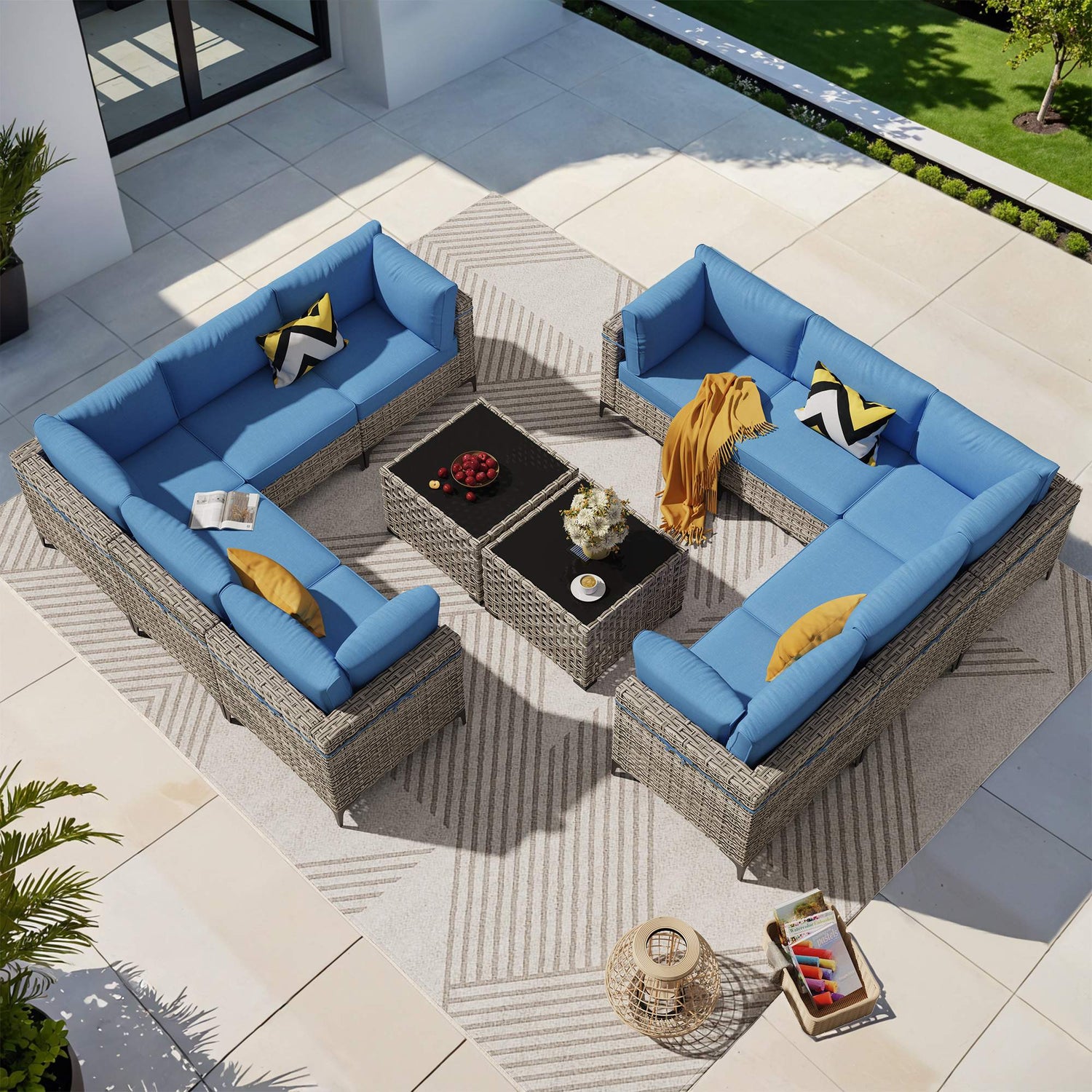
Designing an outdoor room around a fire pit table can turn an ordinary patio into a year-round gathering space that feels intentional and welcoming. The key is to treat the fire pit table as the focal point while respecting safety clearances, choosing the right size for your patio, and arranging modular seating to support conversation and easy movement. This approach works especially well for homeowners upgrading patios or building new outdoor living areas that support frequent entertaining.
Safety always comes first when adding a fire feature. Local fire and building codes determine whether a fire pit table is permitted on your patio or covered area, so check those rules before buying or installing anything. As this municipal fire safety guide explains, local regulations govern outdoor fire use and placement. Keep the fire supervised at all times and ensure it is completely extinguished before leaving the area, per NFPA educational guidance. For covered or semi-covered patios, maintain clearance from overhead structures and prioritize ventilation to avoid trapping heat or smoke.

Understanding Fire Pit Table Sizes and Seating Capacity
The right fire pit table size depends on your patio dimensions, desired seating count, and how the space will be used. Practical thresholds help narrow choices quickly. Small tables (20–30 inches) typically suit 2–4 people and fit compact areas. Medium tables (30–44 inches), such as popular 30-inch or 42-inch models, work well for 4–6 seats and most standard patios. Larger tables (45–60 inches) support 6 or more people but require more room.
These size bands come from common industry sizing guidance and product examples. A 50,000 BTU output, common in propane models, provides noticeable warmth without dictating exact clearances. Remember that exact spacing must follow the manufacturer's instructions and local codes rather than any single universal number.
Fire Pit Table Size Bands and Seating Capacity
Size bands and seating are sourced thresholds; patio area is an illustrative heuristic to help with room-fit decisions.
View chart data
| Category | Seating capacity (people) | Illustrative patio area threshold (sq ft) |
|---|---|---|
| Small (20-30 in) | 3.0 | 85.0 |
| Medium (30-44 in) | 5.0 | 150.0 |
| Large (45-60 in) | 6.0 | 220.0 |
Sourced thresholds: small 20-30 in for 2-4 seats, medium 30-44 in for 4-6 seats, large 45-60 in for 6+ seats. The patio area values are bounded illustrative heuristics for decision support only, not official measurements. Examples and scenario flips are summarized from the provided threshold table and scenario matrix.
This chart illustrates how size bands relate to seating and approximate patio fit. Treat the patio-area values as helpful planning estimates only.
Safety Clearance Rules and Covered Patio Considerations
Safety clearance mistakes rank among the top risks when designing around a fire feature. Always verify local fire rules before placing a fire pit table on a patio or covered structure. Overhead structures such as patio covers require special attention—keep fires clear of them and confirm compliance with your jurisdiction's guidance.
Gas fire pits may need permits or inspections depending on location. Ventilation becomes critical in any semi-enclosed space so heat and combustion byproducts can escape safely. Do not rely on generic spacing numbers; the exact requirements depend on your specific product, patio materials, and local authority having jurisdiction.
For covered patios, the best practice is to confirm the appliance is approved for that use and to design with airflow in mind. This article only discusses comfort and setup advice; it does not constitute medical, safety, or building advice. Consult qualified professionals and local authorities for your specific situation, especially if you have existing health conditions or structural concerns.
Layout Strategies That Create a Cohesive Outdoor Room
A successful outdoor room feels like a complete living space rather than a collection of separate furniture pieces. Start by defining a central gathering zone anchored by the fire pit table, then arrange seating to encourage face-to-face conversation while preserving clear circulation paths.
Modular seating shines here because it can be reconfigured as needs change. Arrange pieces in an L-shape or gentle curve around the table so everyone can see and talk comfortably without stretching. Leave at least 3–4 feet of walkway space around the perimeter so guests can move freely without bumping furniture or getting too close to the flame.

Scenario planning helps match the layout to your actual space and use case. In small or narrow patios, a compact layout with a medium fire pit table often works best to avoid overcrowding. On larger open patios, you can layer additional seating or side tables for a more expansive feel. For covered or screened areas, safety and ventilation checks must happen before finalizing the arrangement.
The layout decision usually flips based on primary use. Conversation-focused rooms benefit from a fire pit table that doubles as a surface for drinks and snacks, while entertaining spaces may need extra overflow seating at the edges. Prioritize safety clearance and circulation first, then conversation geometry, and finally decorative touches.
Choosing Fuel Type, Features, and Accessories
Fuel choice affects convenience, heat output, and maintenance. Propane offers easy on/off control and consistent flame height with minimal smoke, making it popular for patios. Other options such as natural gas, wood, or ethanol each carry different pros, cons, storage needs, and code implications. Review the full range of six fuel options for fire pits to see what fits your lifestyle.
Tech-forward features like hidden propane tanks, adjustable flame controls, and weather-resistant materials help the fire pit table blend into the room aesthetically. Look for durable construction such as all-weather wicker or powder-coated frames that stand up to year-round exposure. Protective covers extend the life of both the fire feature and surrounding furniture.
Compare patio fire table versus traditional fire pit options when deciding how integrated the fire element should feel. A fire table often integrates more cleanly into conversation layouts because it preserves surface space and circulation.
Modular Seating and Furniture Selection Tips
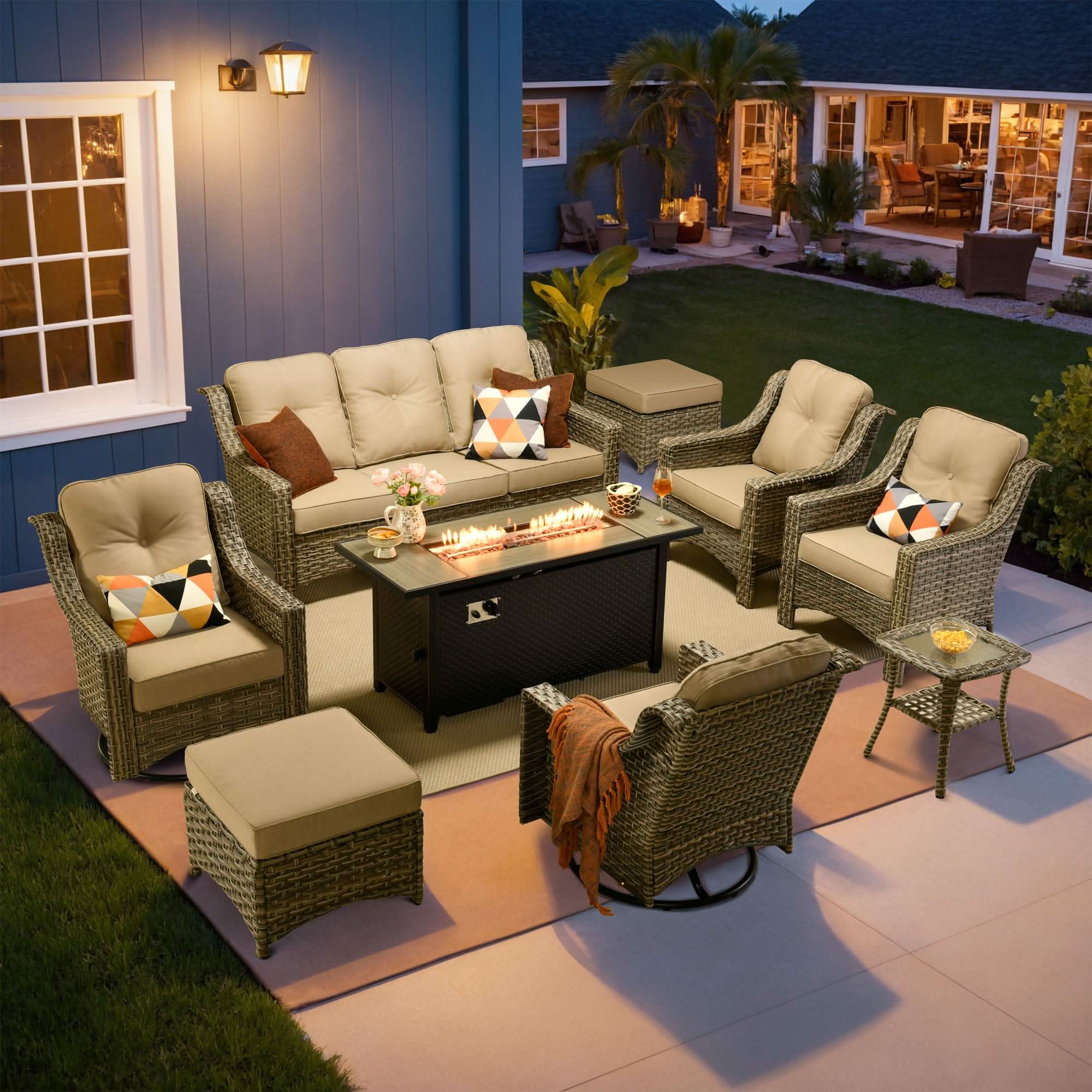
Modular sets allow you to build exactly the configuration your space and guest count require. Look for pieces with UV-resistant fabrics, quick-dry cushions, and sturdy frames that resist fading and mildew. Many sets pair a fire pit table with sectionals, swivel chairs, and occasional tables for a unified look.
When selecting a set, consider both current needs and future flexibility. A 6- to 8-piece modular collection can accommodate a core conversation group plus a couple of extra chairs for larger gatherings. Our OVIOS Modular Wicker Patio Furniture Set with Fire Pit Table and similar collections demonstrate how one central fire table can anchor multiple seating arrangements.
Check the Patio Fire Pit Table Sizes guide for detailed measurement advice before purchasing. Focus on sets that match your chosen table size so proportions stay balanced.
Creating Year-Round Comfort and Style
Layering textiles, lighting, and accessories turns a functional layout into an inviting outdoor room. Add weather-resistant rugs to define zones, throw pillows for color, and outdoor lanterns or string lights for evening ambiance. Plants and planters soften edges and improve the sense of enclosure without restricting airflow.
For colder months, the fire pit table becomes the natural heat source that extends usable time on the patio. In warmer seasons, the same table serves as a coffee or serving surface when the flame is off. This versatility makes the investment worthwhile across seasons.
Browse outdoor furniture with fire pit sets and fire pit tables to see complete coordinated collections that simplify matching materials and styles.
Checklist: How to Design Your Outdoor Room
Use this practical checklist to move from concept to finished space:
- Confirm local fire and building codes allow your planned fire feature and location.
- Measure the patio and mark minimum clearance zones around the future fire pit table.
- Choose table size based on seating needs and available square footage.
- Sketch circulation paths first, then place the fire table as the anchor.
- Arrange modular seating for comfortable conversation distance (roughly 4–6 feet across the table).
- Select fuel type and verify ventilation needs for any covered elements.
- Add lighting, rugs, and accessories only after the core furniture layout feels right.
- Purchase protective covers and plan regular maintenance to keep the space looking fresh.
Following these steps reduces the chance of buying a setup that looks good in photos but fails in daily use. The result is a safe, comfortable outdoor room centered on your fire pit table that supports real family gatherings and entertaining for years.
When the layout, safety checks, and furniture choices align with your specific patio conditions, the space stops feeling like an afterthought and becomes a true extension of your home. Start with code compliance and sizing, then build the room around the fire feature for the most satisfying outcome. This article discusses comfort and layout guidance only; if you experience any concerns about safety or installation, consult local authorities and professionals.


Leave a comment
This site is protected by hCaptcha and the hCaptcha Privacy Policy and Terms of Service apply.