



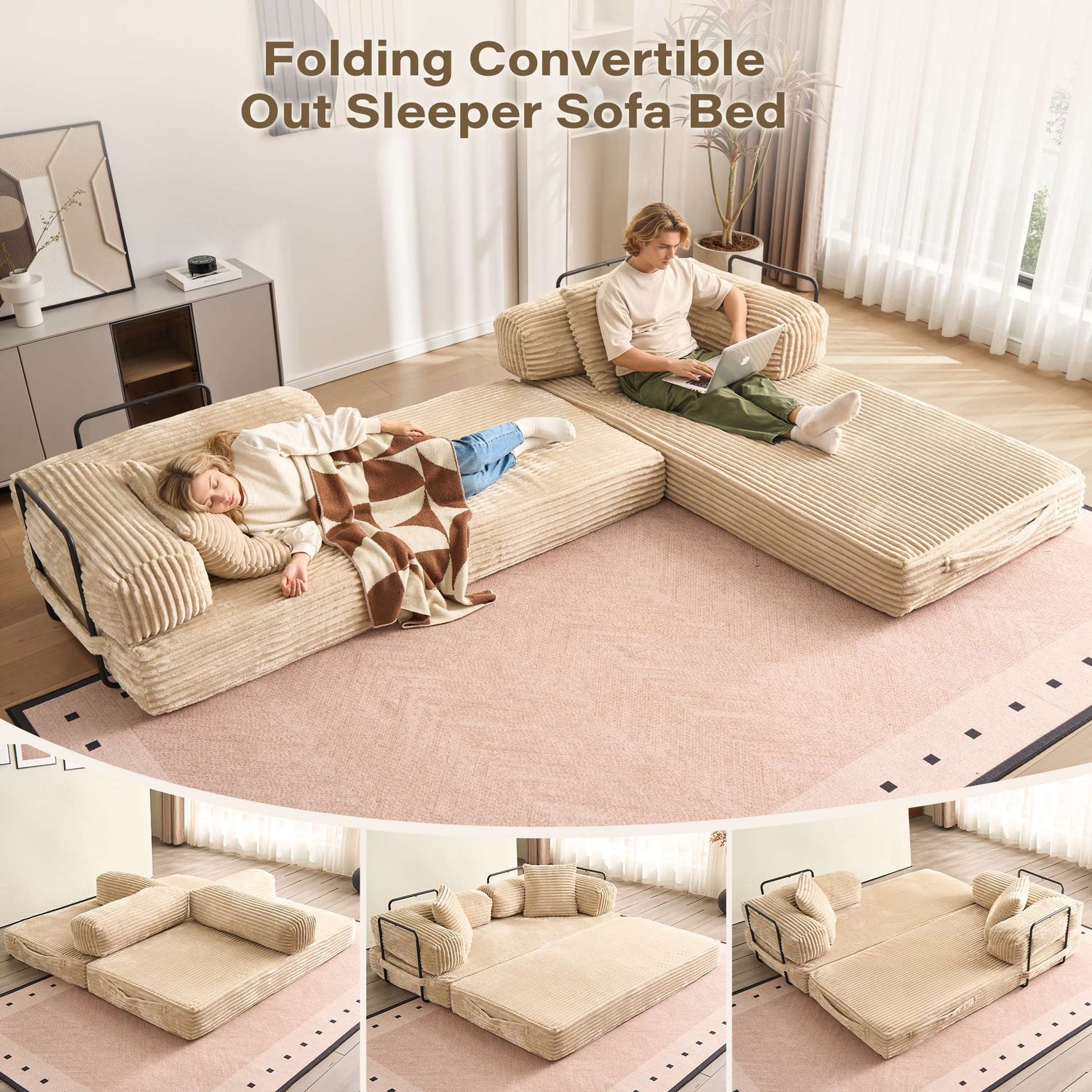
Families today want furniture that looks luxurious yet survives the realities of daily life with children, pets, and frequent indoor-outdoor transitions. Performance fabrics, particularly Olefin, deliver exactly that balance by combining strong stain resistance, color retention, and low maintenance with the soft hand feel expected in premium upholstery.

Olefin fabric is a synthetic polypropylene-based material widely used in both outdoor and indoor furniture because it resists moisture absorption and most household spills. When properly constructed, it offers the durability needed for high-traffic homes while maintaining an attractive appearance that blends seamlessly from living room to covered patio.
What Is Olefin Fabric and How Does It Compare to Other Performance Fabrics?
Olefin, also known as polypropylene, is a thermoplastic fiber valued for its lightweight nature and practical performance characteristics. As noted in educational resources on textiles, Olefin is commonly chosen for upholstery because it is practical, easy to care for, and suited to hard-wearing applications.
Performance fabrics in general are engineered for improved durability, appearance retention, and easier day-to-day care than delicate decorative fabrics, according to official guidance on fibers and fabrics. While traditional options like cotton offer softness, they absorb liquids readily and show stains quickly. In contrast, Olefin and similar synthetics like certain polyesters repel liquids better and clean more easily.
Other popular performance fabrics include Sunbrella (an acrylic-based solution-dyed material excellent for outdoor fade resistance) and Crypton (often treated for superior stain resistance in indoor settings). Olefin tends to excel in cost-effectiveness and inherent water resistance without heavy chemical treatments, making it a strong choice for mixed-use spaces. However, its performance depends heavily on the specific weave, backing, and any additional finishes applied by the manufacturer.
A fabric’s fiber content and construction influence absorbency, colorfastness, drape, and care requirements. This explains why Olefin behaves differently from natural fibers or coated alternatives that may eventually crack or peel.
Is Olefin Suitable for Indoor, Outdoor, or Both?
Olefin performs well in both indoor and covered outdoor environments. Its low moisture absorption makes it ideal for areas prone to spills or humidity, such as family rooms, sunrooms, or patios with overhead protection. For fully exposed outdoor furniture, look for UV-stabilized versions that incorporate additional fade-resistant treatments.
Direct sunlight can fade textiles over time, so fade resistance depends on fabric construction, color, and exposure conditions. Darker or solution-dyed Olefin colors generally hold up better in brighter spaces. In fully indoor settings, Olefin provides the added benefit of resisting mold and mildew better than many natural fabrics.
Many homeowners now choose Olefin for indoor-outdoor fluidity, using the same or visually matching pieces across living areas and covered patios to create a cohesive look without sacrificing practicality.
Stain Resistance, Fade Resistance, and Durability for Families with Kids and Pets
Performance fabrics like Olefin stand out for households with children and pets. Most liquids bead up on the surface rather than soaking in, allowing quick blotting before stains set. This makes Olefin a practical choice for stain resistant outdoor sectional for kids or performance fabric patio furniture for pets.
Fade resistance is another key advantage when the material is properly formulated. However, no fabric is completely immune to long-term sun exposure, so placement away from intense direct light extends its lifespan.
Durability comes from the fiber’s strength and resistance to abrasion, helping the upholstery withstand scratches, jumping pets, and heavy use. Still, performance-fabric claims are conditional: results depend on the fabric’s fiber, weave, backing, finish, and how the furniture is used and maintained.
To visualize typical trade-offs, the chart below shows a heuristic comparison of common upholstery fabrics based on fiber properties. These are illustrative relative ratings (1–5 scale) and should be read as a general guide rather than laboratory test results.
Heuristic Performance Comparison of Upholstery Fabrics
Heuristic 1–5 ratings based on fiber properties and common upholstery-use knowledge; not measured data.
View chart data
| Series | Stain Resistance | Fade Resistance | Durability | Comfort | Maintenance Ease |
|---|---|---|---|---|---|
| Olefin | 5.0 | 5.0 | 4.0 | 3.0 | 5.0 |
| Cotton | 2.0 | 2.0 | 3.0 | 5.0 | 2.0 |
| Polyester | 4.0 | 4.0 | 4.0 | 3.0 | 4.0 |
| Acrylic | 3.0 | 5.0 | 3.0 | 3.0 | 3.0 |
Heuristic comparison only. Ratings are illustrative 1–5 relative scores derived from commonly cited fiber properties: olefin is typically strong on stain/fade resistance and easy care; cotton is comfortable but less resistant to staining/fading; polyester is generally durable and easy to maintain; acrylic is often strong on fade resistance and moderate on other attributes.
Common Myths vs. Reality in Performance Fabric Marketing
Marketing often presents performance fabrics as completely worry-free. In reality, performance-fabric claims like stain resistance, fade resistance, and pet/kid-friendliness should be treated as conditional, not absolute. Real-world results vary based on maintenance and specific conditions.
One frequent misconception is that Olefin is entirely stain-proof. While it resists many spills effectively, certain substances like oils or heavily pigmented liquids may still leave marks if not addressed promptly. Another myth suggests these fabrics never fade; however, prolonged intense sunlight will eventually affect even the best materials.
Some buyers also assume performance fabrics require no cleaning effort. In truth, routine care remains important. If you care about indoor air quality, look for documented emissions claims or third-party certification rather than assuming all upholstered furniture is low-emission by default.
How to Clean and Maintain Olefin and Performance Fabric Furniture
Proper maintenance significantly extends the life of your investment. For upholstered furniture, follow the manufacturer’s cleaning instructions; routine vacuuming and careful spot-cleaning are standard first steps.
Start by vacuuming regularly to remove dust and debris that can cause abrasion over time. For spills, blot immediately with a clean cloth rather than rubbing. Most manufacturers recommend mild soap solutions for Olefin; avoid harsh chemicals that could degrade the fibers.
Use cleaners that match the upholstery material and finish, because not every cleaning product is safe for every fabric system. Rotate cushions periodically and address pilling promptly if it appears, as discussed in guides on preventing couch pilling.
In 2026, many performance fabrics also benefit from new protective sprays or updated cleaning technologies, but always test in an inconspicuous area first.
Buyer Checklist: Choosing the Right Indoor-Outdoor Fabric for Your Home
Before purchasing an Olefin fabric sofa or performance fabric patio furniture, consider these practical checkpoints:
- Assess your primary exposure: Will the piece sit in direct sunlight, or mostly in shaded/covered areas?
- Evaluate household traffic: Homes with multiple pets or young children benefit most from higher-rated stain and abrasion resistance.
- Check fabric specifications: Look for solution-dyed fibers, water-repellent treatments, and abrasion test results (often measured in Martindale cycles).
- Test the hand feel: Sit on the furniture in person when possible, as comfort levels vary even within performance categories.
- Review care instructions: Ensure the cleaning method fits your lifestyle.
- Consider certifications: Seek low-VOC or OEKO-TEX labels if indoor air quality matters to your family.
Don’t buy if your priority is an ultra-soft, cool-touch surface with zero maintenance expectations, because some performance fabrics can retain heat or show texture changes over years of heavy use.
For durable modular options that pair well with performance fabrics, explore modular sofas designed for busy homes. You can also browse our sectional collection featuring various upholstery choices.
Final Thoughts on Olefin Furniture in 2026
Olefin and performance fabrics represent a smart evolution in furniture design, allowing families to enjoy stylish, comfortable seating that stands up to real life. While not completely indestructible, these materials can significantly reduce the stress of spills, stains, and daily wear when chosen thoughtfully and maintained properly.
The best results come from matching the fabric to your specific lifestyle and environment rather than expecting one universal solution. With the right selection, your Olefin fabric sofa or performance outdoor fabric pieces can deliver years of reliable service while looking as good as the day they arrived.
This article discusses comfort and setup considerations for performance fabrics. It does not constitute advice on medical, health, or safety matters. If you experience persistent issues with furniture-related discomfort or have specific sensitivities, consult qualified professionals for personalized guidance.

Leave a comment
This site is protected by hCaptcha and the hCaptcha Privacy Policy and Terms of Service apply.