



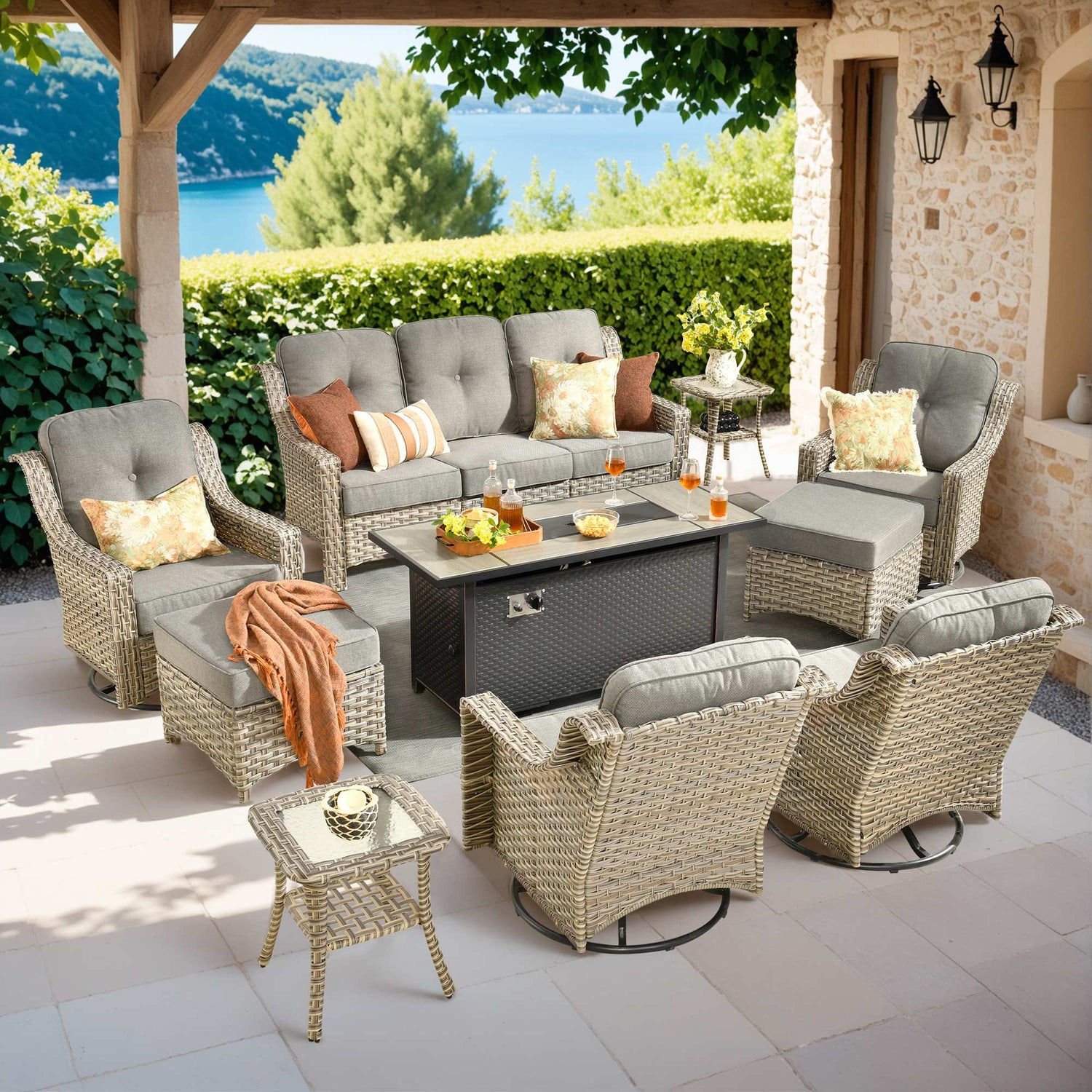
Revive Your Patio: The Ultimate Guide to Replacement Cushions and Covers
Reviving your aging patio furniture with new replacement cushions and covers is often a practical way to restore comfort and style without the cost or waste of buying an entire new set. For many homeowners looking toward 2026, this approach can offer significant savings while delivering a fresh look that matches current outdoor trends, provided you select the right sizes, materials, and styles for your specific frames and climate.
Related Guides

Why Replacement Cushions and Covers Make Sense in 2026
Patio furniture frames, especially durable wicker or PE rattan models, often outlast their textiles by many years. Sun exposure, rain, and daily use cause cushions to flatten, stain, or fade long before the structure fails. Replacing only the soft components extends the life of your investment, reduces landfill waste, and lets you update colors to match evolving decor tastes.
This replacement economy approach has gained popularity among budget-conscious homeowners and renters who want a quick refresh for seasonal entertaining. Instead of discarding a still-functional wicker patio set, targeted updates can make it look renewed. As this guide to true durability explains, choosing modular and repairable pieces from the start supports long-term savings.
How to Measure for Well-Fitting Replacement Cushions
Accurate measurements are the foundation of a successful refresh. Start by removing old cushions and measuring the seat and back frames at their widest points. For wicker patio furniture, account for any curved edges or slight variations between pieces in a set.
Typical replacement outdoor cushions come in common sizes such as 24 x 24 inches for seats or 22 x 22 inches for chairs, but always verify against your specific frames. Measure depth, width, and thickness separately—many manufacturers offer various options, with thickness often ranging from 3 to 5 inches for different comfort levels.
Use a flexible tape measure and record both the frame dimensions and the old cushion measurements, as worn cushions may have compressed over time. This step helps prevent common issues like cushions that slide off or fail to cover the seat fully. For popular sets like the Kenard series, refer to manufacturer-specific guides or contact customer service for exact matches.
Choosing Fade-Resistant and Weatherproof Materials
Material selection determines how long your refreshed patio will stay attractive. Olefin fabric is a notable performer for outdoor use because it resists UV fading, water, and stains while remaining relatively affordable. Its solution-dyed fibers lock in color at the manufacturing stage, typically providing better longevity than many traditional textiles.
Look for outdoor cushion covers labeled as fade-resistant with ratings for UV protection and water repellency. Performance fabrics treated for mold and mildew resistance perform well in humid or rainy climates. Zippered covers allow easy removal for cleaning or storage, which can extend their usable life.
Based on common industry observations, high-quality olefin or similar synthetics can maintain vibrancy through multiple seasons of sun exposure. Explore the benefits of olefin fabric for a deeper understanding of why it excels in demanding outdoor environments.
When to Replace Cushions Versus Using Covers Only
Deciding between full replacement cushions and simple covers depends on the condition of your existing foam and your budget. If cushions are flattened or lumpy, replacing the entire padded unit restores support. However, if the foam is still supportive but the fabric is faded or stained, new slipcovers or replacement outdoor cushion covers can provide an economical refresh.
Consider your local weather: in high UV or frequent rain areas, full replacement with weather-resistant materials often offers better protection. For low-traffic decks or covered patios, updating covers alone may suffice. Always inspect the frame for damage first—textile updates cannot fix structural issues.
The chart below illustrates relative fit across common scenarios based on cost, durability needs, and usage intensity. These scores are illustrative heuristics to guide your thinking rather than precise measurements.
Replacement Choice Fit by Scenario
Use as a buyer-fit guide, not as a factual ranking. Higher means better fit for that scenario.
View chart data
| Category | Replacement cushions | Replacement covers |
|---|---|---|
| High UV / rain exposure | 2.0 | 4.0 |
| Moderate weather exposure | 3.0 | 3.0 |
| Low weather exposure | 1.0 | 2.0 |
| Frequent use / wear | 4.0 | 2.0 |
| Budget-sensitive owner | 3.0 | 4.0 |
Illustrative, relative fit score only. Built from the brief's stated decision axes: cost sensitivity, weather resistance, and scenario-based replacement needs. Scores are heuristic, not measured performance.
This visualization helps clarify trade-offs: replacement covers often score higher for weather protection and budget scenarios, while new cushions excel when comfort restoration is the priority.
Where to Buy Quality Replacement Cushions for Patio Sets
Reliable sources include manufacturers that offer direct replacements matched to their frames, as well as specialty retailers focused on outdoor performance fabrics. Look for sellers providing detailed dimension guides, material specifications, and clear return policies.
Specialized options like olefin-based replacement seat and back cushions provide value with built-in fade and stain resistance. For exact matches to existing sets, check collections from brands emphasizing modular designs. Popular choices include sets designed for wicker furniture that prioritize UV protection and easy cleaning.
Avoid generic options without verified weather ratings, as they may fade or mildew more quickly. Reading customer reviews for fit accuracy and durability helps narrow choices. This resource on refreshing faded patio furniture offers practical tips on sourcing the right pieces.
Step-by-Step Guide to Reviving Old Wicker Patio Furniture
- Inspect and clean the frame: Remove old textiles and thoroughly clean the wicker with mild soap and water. Allow it to dry completely before proceeding.
- Measure carefully: Document all dimensions as outlined earlier to ensure a proper fit.
- Select materials: Prioritize fade-resistant outdoor cushion covers or full cushions based on your needs and local climate.
- Install new pieces: Slide or zip on new covers, or place replacement cushions. Secure with ties if available to prevent shifting.
- Add protective measures: Consider waterproof sofa covers for off-season storage to maximize longevity.
For deeper maintenance advice, review how to maintain comfortable patio cushions.
Comparison: Replacement Cushions vs. New Covers
Full replacement cushions deliver immediate comfort upgrades and are ideal when foam has degraded. They typically cost more upfront but provide renewed support. New covers, on the other hand, offer a lower-cost way to refresh appearance and can be swapped seasonally for different looks.
In humid or high-sun regions, performance fabric covers with water resistance tend to outperform basic options. For high-traffic family use, thicker replacement cushions may be worth the investment. Always weigh the total cost of ownership, including potential future replacements.
Checklist: What to Verify Before You Buy
- Confirm exact dimensions match your frames (measure twice).
- Verify fabric is solution-dyed or rated for UV resistance.
- Check for easy-clean features like zippers or removable covers.
- Review return policies for fit issues.
- Consider your climate—extra weatherproofing for coastal or rainy areas.
- Match style and color to your current outdoor decor.
Following this checklist reduces the risk of poor purchases and helps ensure a successful update.
Common Myths About Outdoor Cushion Replacement
Many believe all outdoor fabrics are equally durable, but quality varies significantly between materials. Another myth is that replacing covers alone always restores full comfort—flattened foam usually requires new padding. Some assume budget options last as long as premium performance fabrics, yet common usage patterns in intense sun or moisture often show otherwise.
Protecting Your Investment Long-Term
After installation, rotate cushions regularly, clean spills promptly, and store them during extreme weather. Using dedicated patio furniture covers during the off-season adds another layer of protection against fading and moisture damage.
For complete sets or matching pieces, explore outdoor chairs or outdoor loveseats that align with replacement-friendly designs. Specific replacement cushions and olefin fabric options make the process straightforward.
Conclusion
Refreshing your patio with quality replacement cushions and covers offers an accessible way to enjoy your existing wicker furniture for many more seasons. Success depends heavily on accurate measurements, suitable materials for your environment, and choosing reputable sources. While results vary by setup and local conditions, a thoughtful refresh can deliver significant savings and enjoyment compared to full replacement. This article provides general guidance on comfort and setup; it does not constitute professional advice. For persistent issues with furniture or specific concerns related to outdoor use, consult appropriate experts or manufacturers.
For more on sustainable outdoor living, see the lifecycle economy of outdoor furniture or our guide to the replacement cushion ecosystem.

Leave a comment
This site is protected by hCaptcha and the hCaptcha Privacy Policy and Terms of Service apply.