



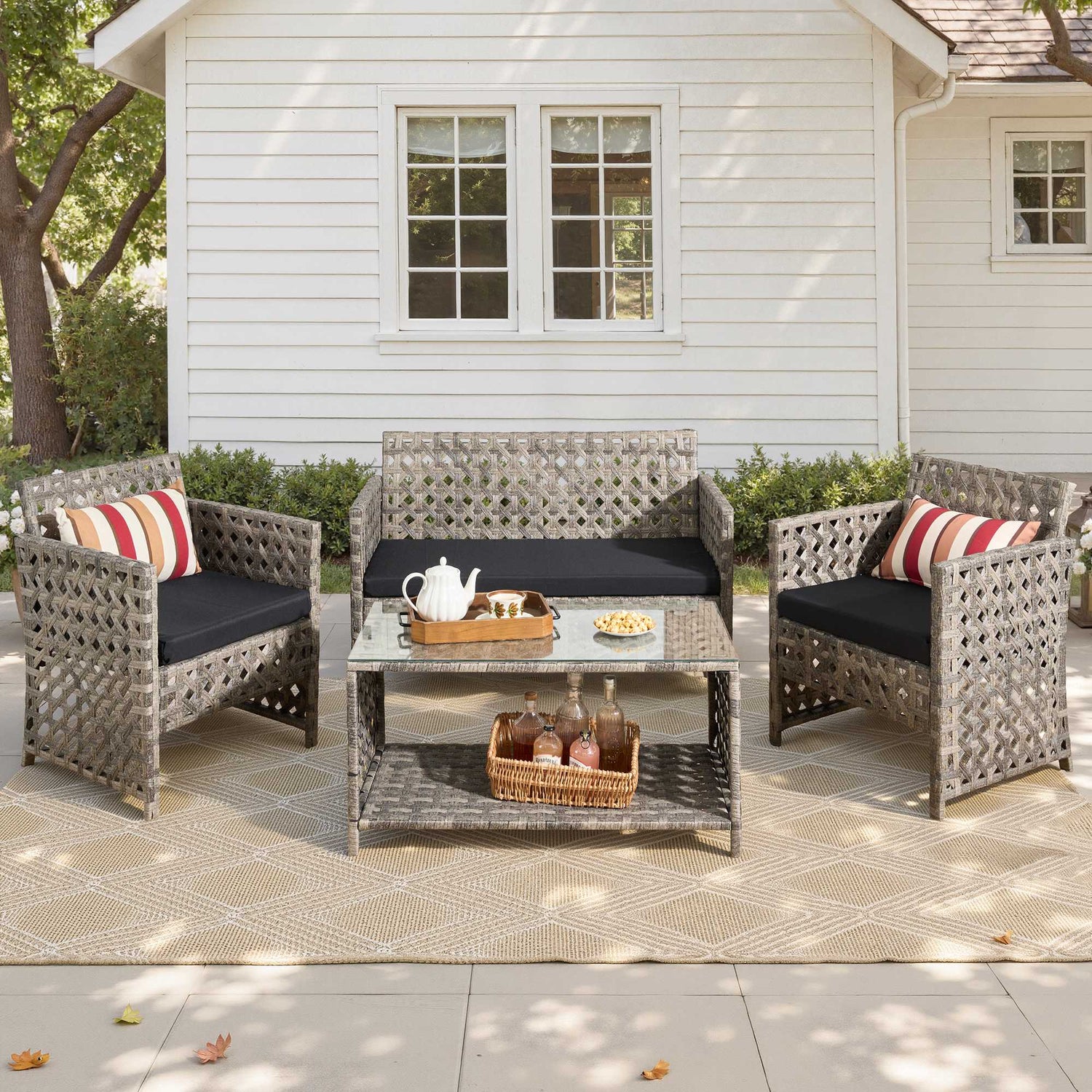
Understanding the Lifecycle of Outdoor Furniture
Many homeowners discover that their patio furniture frames outlast the cushions by several seasons. While aluminum, steel, or synthetic wicker frames are engineered to resist the elements for a decade or more, the soft goods—cushions and covers—face a much harsher reality. Sunlight, moisture, and physical compression cause fading, flattening, and fabric breakdown long before the structure fails.
The most efficient way to manage this disparity is by adopting a replacement cushion ecosystem. This involves selecting compatible, high-quality replacement patio cushions and covers that restore both comfort and aesthetic value without the expense or waste of purchasing an entirely new furniture set.
In 2026, as sustainable home maintenance becomes a priority, more manufacturers are moving toward "closed-loop" designs. This means brands are increasingly offering specific replacement parts for their collections, making it easier to refresh a favorite set rather than discarding it.
Why Patio Cushions Wear Out Faster Than Frames
The primary culprit for cushion degradation is UV radiation. Even fabrics labeled as "outdoor grade" experience fiber brittleness and color loss over time. Beyond the sun, environmental factors like humidity and temperature fluctuations can compromise the integrity of the internal foam.
A common pattern observed in outdoor living spaces is a "performance gap":
- Frames: Often remain structurally sound for 10–15 years.
- Cushions: Typically require a refresh every 2–4 years, depending on local UV intensity and fabric quality. For example, standard polyester may show significant wear in just two seasons in high-sun regions, while solution-dyed acrylics often maintain their integrity for five years or more.
How to Spot the Signs of Failure
Before deciding to replace, perform these quick checks:
- The Pinch Test: Pinch the cushion foam. If it feels "crunchy" or fails to spring back immediately, the internal cell structure has likely broken down.
- The Bottoming-Out Check: Sit on the cushion. If you can feel the frame beneath you, the high-resiliency foam has lost its density.
- Seam Stress: Look for thinning fabric around the seams, which indicates UV-induced brittleness that will soon lead to tearing.
The Benefits of a Replacement Cushion Ecosystem
A dedicated replacement ecosystem provides access to exact-fit cushions and accessories matched to your specific furniture line. This approach offers several distinct advantages:

- Cost Efficiency: Refreshing cushions typically costs 30% to 50% less than buying a comparable new patio set.
- Sustainability: Repairing rather than replacing keeps bulky frames out of landfills and reduces the carbon footprint associated with manufacturing and shipping new furniture.
- Design Flexibility: You can maintain your original layout while updating the color palette to match current trends.
- Ease of Care: Modern replacement systems often feature removable, machine-washable covers, simplifying seasonal maintenance.
For those with high-quality frames, targeted replacement cushions for patio furniture sets represent the smartest long-term investment.
Common Myths About Outdoor Cushion Replacement
Misconceptions often lead homeowners to overspend. Clearing these up helps in making a more informed purchase.
Myth 1: "Fade-resistant" means the color is permanent. Reality: Fade resistance is a measure of slowing color loss. No fabric is entirely immune to the sun. Darker colors and budget-grade polyesters will still show noticeable fading over multiple seasons. Investing in higher UV-rated fabrics is most beneficial for furniture in direct, midday sun.
Myth 2: Replacing the entire set is always the "easier" path. Reality: While it seems simpler, the logistics of disposing of old frames and assembling new ones can be more taxing than measuring for new cushions. Full replacement is only recommended if the frame shows structural rust, cracked welds, or significant wobbling.
Myth 3: Outdoor cushions are maintenance-free. Reality: Even the best "all-weather" materials require care. Moisture trapped inside a cushion can lead to mildew regardless of the fabric type. Proper drainage and occasional cleaning are essential for longevity.
Material Trade-offs: Choosing the Right Fabric and Fill
When selecting replacement cushions for existing patio furniture, the choice of material dictates both the price and the lifespan.
| Fabric Type | Durability | Breathability | Best For |
|---|---|---|---|
| Solution-Dyed Acrylic | High | Excellent | Full sun exposure; premium feel. |
| Olefin | High | Good | High-traffic areas; moisture resistance. |
| Polyester (Spun) | Moderate | Moderate | Budget-friendly; shaded or covered areas. |
Foam Considerations:
- Open-Cell Foam: Allows water to drain through quickly, making it ideal for rainy climates.
- High-Density (HD) Foam: Provides better support and resists "bottoming out" but may require a waterproof liner in wet environments.
Replacement Cushions vs. Buying New: A Decision Framework
The decision to replace cushions or buy new furniture should be based on the "Frame-to-Value" ratio. If the frame is high-quality (e.g., cast aluminum or Grade A teak), replacement is almost always the better choice.
The following radar chart provides a heuristic guide for this decision. These scores are based on typical ownership scenarios and are intended for illustrative purposes.
When to Choose Replacement Cushions vs New Patio Furniture
Illustrative comparison to help readers judge which option fits better under different patio-furniture conditions.
View chart data
| Series | Frame condition | Fit certainty | Usage intensity | Sun exposure | Value of replacement cushions |
|---|---|---|---|---|---|
| Replacement cushions | 4.0 | 4.0 | 3.0 | 2.0 | 4.0 |
| New patio furniture | 2.0 | 2.0 | 4.0 | 4.0 | 3.0 |
Heuristic illustration based on a scenario matrix and threshold table. Scores are relative, not official data, and express fit for the decision context only.
When to choose Replacement Cushions:
- The frame is structurally sound and rust-free.
- The furniture layout still fits your space and needs.
- You want a specific color or pattern not available in pre-packaged sets.
When to choose New Furniture:
- The frame is bent, rusted, or unstable.
- The cost of custom cushions exceeds 70% of the price of a new, higher-quality set.
- You are looking to change the scale or function of your outdoor area (e.g., moving from a dining set to a sectional).
How to Measure and Order for a Perfect Fit
Accurate measurement is the most critical step in the replacement process. If your original cushions are heavily deformed, do not measure the cushion alone.
- Measure the Frame: Measure the interior width and depth of the chair or sofa seat where the cushion rests.
- Check the "Break": For hinged cushions (seat and back joined), measure the height of the backrest from the seat platform to the top.
- Account for Thickness: Ensure the new cushion thickness won't make the seat too high for your legs to fit under a table or too low for comfort.
- Note Attachment Points: Identify where ties or Velcro straps are needed to prevent the cushions from sliding or blowing away.
For non-standard sizes, custom replacement cushions for outdoor furniture may be necessary. While these require a higher initial investment, the improved fit and material quality often result in a longer replacement cycle.
Maintenance Tips to Maximize Lifespan
To get the most out of your replacement cushion ecosystem, follow these expert-recommended habits:
- The 24-Hour Rule: If cushions get soaked in a heavy rain, stand them on their side (zipper down) to allow water to drain more efficiently.
- Seasonal Rotation: Flip and rotate cushions monthly to ensure even wear and sun exposure.
- Off-Season Storage: Store cushions in a dry, ventilated deck box or indoors during winter. Avoid plastic bags, which can trap moisture and encourage mold.
- Spot Cleaning: Address spills immediately with mild soap and water. Avoid harsh chemicals that can strip the UV-protective coating from the fabric.
Note: This guide provides practical advice for outdoor furniture maintenance and selection. It does not constitute professional structural engineering or medical advice regarding ergonomic support. For specific furniture repair needs, consult the original manufacturer.
By treating your patio cushions as a replaceable component of a larger system, you can maintain a beautiful, comfortable outdoor space for years to come. Focus on high-quality materials and precise measurements to ensure your "new" patio feels as good as it looks.

Leave a comment
This site is protected by hCaptcha and the hCaptcha Privacy Policy and Terms of Service apply.