



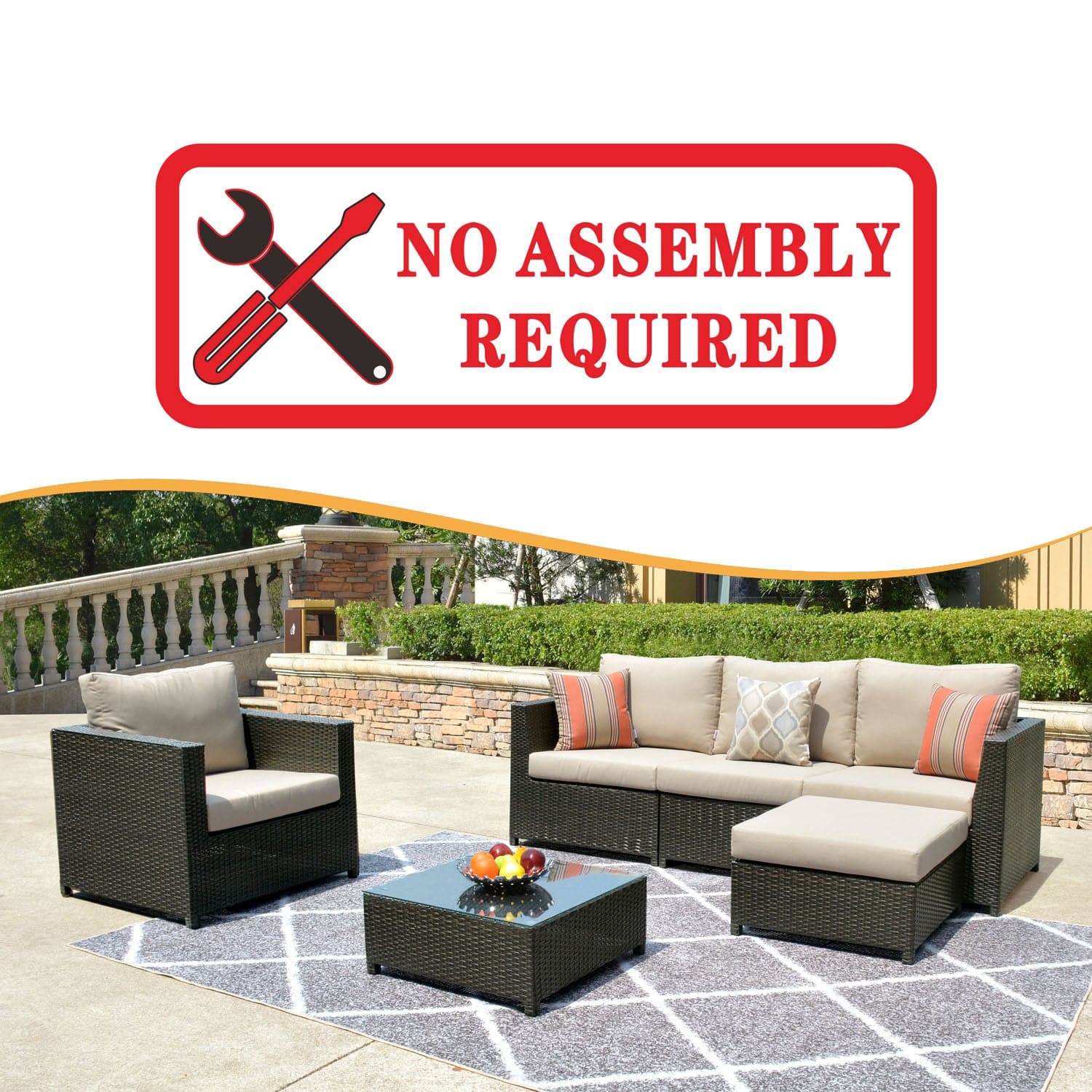
All-weather wicker patio furniture offers impressive durability thanks to its synthetic PE rattan construction, but it still benefits from consistent care to resist fading, mildew, and structural wear over multiple seasons. Simple routines like gentle cleaning, proper drying, and strategic protection can significantly extend the life of your frames, cushions, and hardware, helping you avoid premature replacement while supporting more sustainable outdoor living.
Why Routine Maintenance Matters for PE Wicker Furniture
Even though all-weather wicker is engineered to withstand rain, sun, and temperature swings better than natural fibers, it is not entirely maintenance-free. Routine cleaning helps remove pollen, dust, and debris that can trap moisture and accelerate wear in the weave. As this outdoor furniture care guidance explains, regular attention keeps the surface looking fresh and reduces the risk of long-term buildup.
For homeowners who entertain frequently or live in areas with high pollen or coastal salt air, skipping weekly wipe-downs often leads to embedded dirt that becomes harder to remove later. The goal is not perfection but preventing small issues from compounding into cracked weaves or corroded frames.

How to Clean All-Weather Wicker Without Damaging the Weave
Start with the gentlest method possible. Most manufacturers recommend a mixture of mild dish soap and warm water applied with a soft brush or cloth. Gently work the solution into the weave to lift surface grime, then rinse thoroughly with a garden hose on low pressure. Avoid pressure washers, which can loosen or fray the synthetic strands.
Harsh chemical cleaners, bleach, or abrasive pads should be avoided unless explicitly approved by the manufacturer, as they can dull the finish or weaken the material over time. For bird droppings or stubborn spots, allow the area to soften with soapy water before wiping; this guide to removing bird droppings from outdoor furniture offers practical steps that apply well to PE rattan.
After cleaning, let every piece dry completely in a shaded area before replacing cushions or covering. Trapped moisture in seams or under cushions is a leading contributor to mildew and hardware corrosion. For deep cleaning after storms or heavy pollen seasons, repeat the process but pay extra attention to crevices where debris collects.
Protecting Against UV Damage and Fading
Prolonged direct sunlight can cause surface fading and make the material more brittle over years of exposure. While UV-stabilized PE wicker resists this better than many alternatives, using shade during peak summer hours or investing in protective covers during periods of low use makes a noticeable difference.
This article on the benefits of all-weather wicker highlights how quality resin wicker holds up across seasons, yet even premium pieces last longer when shielded from the harshest rays. Consider repositioning furniture under a pergola or umbrella in the afternoon, or using fitted covers that allow some airflow to prevent condensation.
For cushion care, choose fade-resistant fabrics like olefin and rotate them periodically so no single side receives constant sun. Replacement cushion sets designed for outdoor use can refresh the look without replacing the entire frame when fading does occur.
Managing Rain, Humidity, and Mildew Risks
Moisture management is critical. All-weather wicker sheds water well, but standing water in the weave or under cushions can promote mold. After rain, tilt chairs to drain and wipe down surfaces. In humid climates, elevate furniture slightly off the ground using furniture feet or risers to improve airflow underneath.
Cushions should be removed and stored in a dry location during extended wet periods, or at minimum propped upright to dry. Using waterproof sofa covers with proper ventilation helps when furniture must remain outdoors. The seasonal patio preparation guide provides useful tips for keeping outdoor spaces ready year-round without inviting moisture-related problems.
Inspect for early signs of mildew—musty odors or dark spots—and address them promptly with mild cleaning rather than letting them spread.
Winterizing and Proper Storage for Modular Sets
In colder climates, winterizing is one of the most important steps for longevity. Clean the furniture thoroughly, allow it to dry completely, then either store indoors in a garage or shed or cover it with high-quality, breathable outdoor furniture covers. Avoid plastic tarps that trap moisture.
Modular sets benefit from disassembly if space allows, as this reduces stress on joints during temperature fluctuations. A dedicated resin storage shed offers convenient protection for smaller pieces or cushions. For those keeping furniture outdoors, choose covers specifically sized for your set, such as those designed for popular models like the Kenard series.
Before storing, check and tighten any loose hardware. This prevents small movements from becoming larger structural issues over the off-season.

Maintenance Checklist: What to Do Regularly
Create a simple recurring routine that matches your climate and usage:
- Weekly: Wipe down surfaces, remove debris, and check for loose parts.
- Monthly: Clean cushions if present, inspect weave for wear, and ensure drainage is clear.
- Seasonally: Deep clean in spring and fall, apply protective measures before summer heat or winter weather, and rotate or store cushions as needed.
- Before entertaining: Quick visual inspection and spot cleaning to keep the set guest-ready.
Pay special attention to feet, glides, and metal frames, which can show corrosion before the wicker does. Replacing worn glides or tightening screws is inexpensive and prevents bigger problems.
When Maintenance Is No Longer Enough: Repair or Replace?
Even with excellent care, components eventually wear. If the weave shows cracking or unraveling, the aluminum frame is visibly corroded, or the set no longer sits level, it may be time to consider targeted repairs or replacement. Cushions are usually the first to need refreshing—opting for replacement cushion sets can extend the life of the frame by several years.
The lifecycle economy of outdoor furniture discusses how modular designs support repair and part replacement rather than full disposal, reducing waste and cost over time. Similarly, guides on durable patio sets emphasize choosing quality PE wicker that supports this approach.
Look for signs like persistent mildew that returns quickly, significant fading that affects appearance even after cleaning, or hardware that cannot be tightened. At that point, replacing specific pieces or the entire set becomes more practical than continued maintenance.
Visualizing Maintenance Priorities Across Scenarios
Illustrative Maintenance Priority by Scenario
Higher scores indicate more urgent maintenance focus in each scenario; values are heuristic and meant to show relative priority, not exact measurements.
View chart data
| Category | High-use summer | Low-use winter | Rainy climate |
|---|---|---|---|
| Weekly cleaning | 9.0 | 4.0 | 7.0 |
| Cover use | 6.0 | 5.0 | 9.0 |
| Deep clean | 7.0 | 4.0 | 6.0 |
| Winter storage | 2.0 | 9.0 | 5.0 |
| Inspection | 8.0 | 7.0 | 8.0 |
Illustrative priority scores (1-10) based on common care practices for all-weather wicker patio furniture: routine cleaning, moisture avoidance, UV protection, winterizing, and inspection. This is for explanatory purposes only, not measured data.
This chart illustrates how priorities shift. For example, weekly cleaning and inspection dominate in high-use summer conditions, while winter storage becomes critical in colder months. In rainy climates, cover use rises in importance. These are relative priorities based on typical care practices and should be adapted to your specific environment and furniture quality.
Choosing the Right Tools and Products for Ongoing Care
Invest in soft-bristle brushes, mild cleaners, and well-fitted covers designed for outdoor use. For modular sets, consider outdoor sofa covers that provide waterproof protection while allowing airflow. Replacement cushions with olefin fabric offer excellent fade and stain resistance for frequent use.
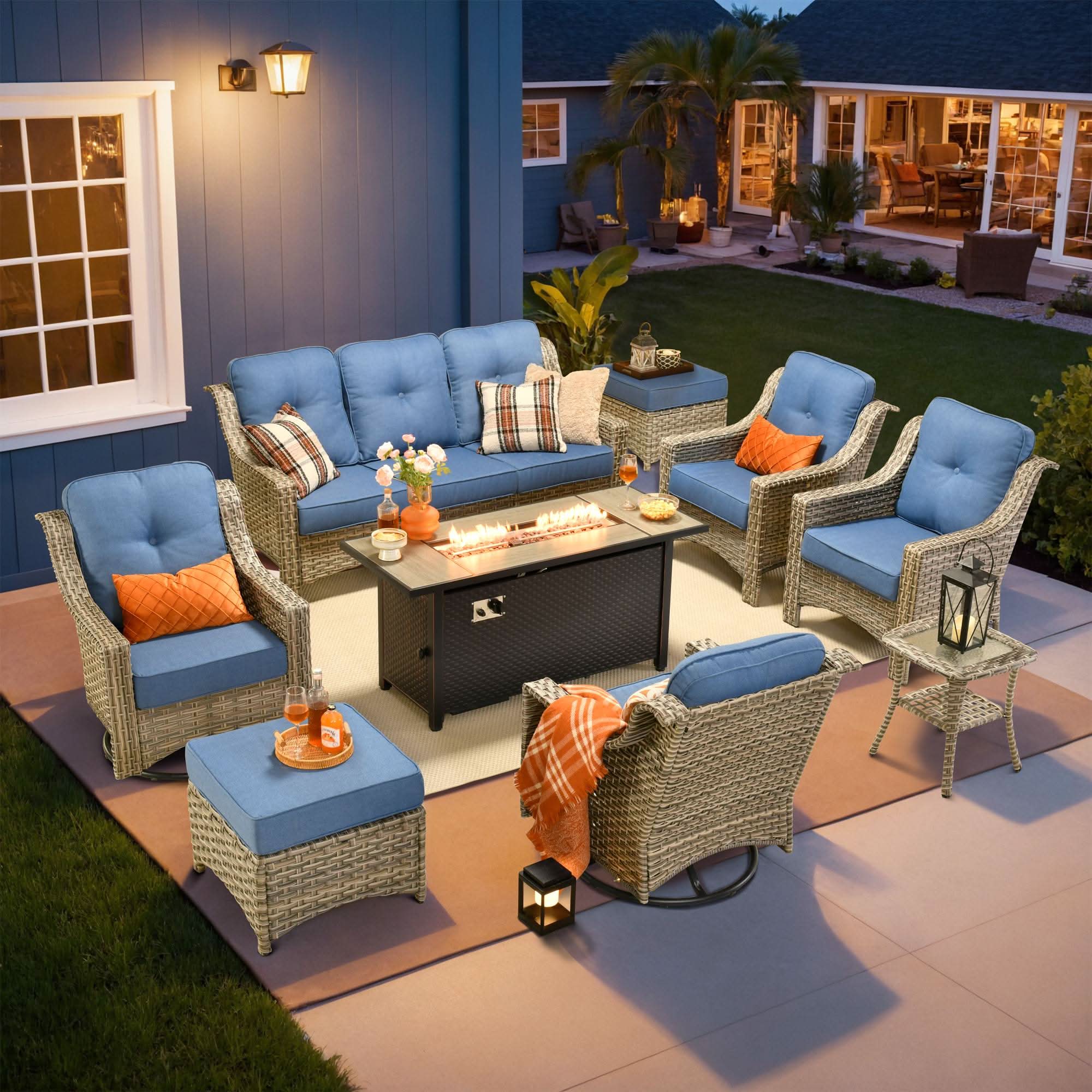
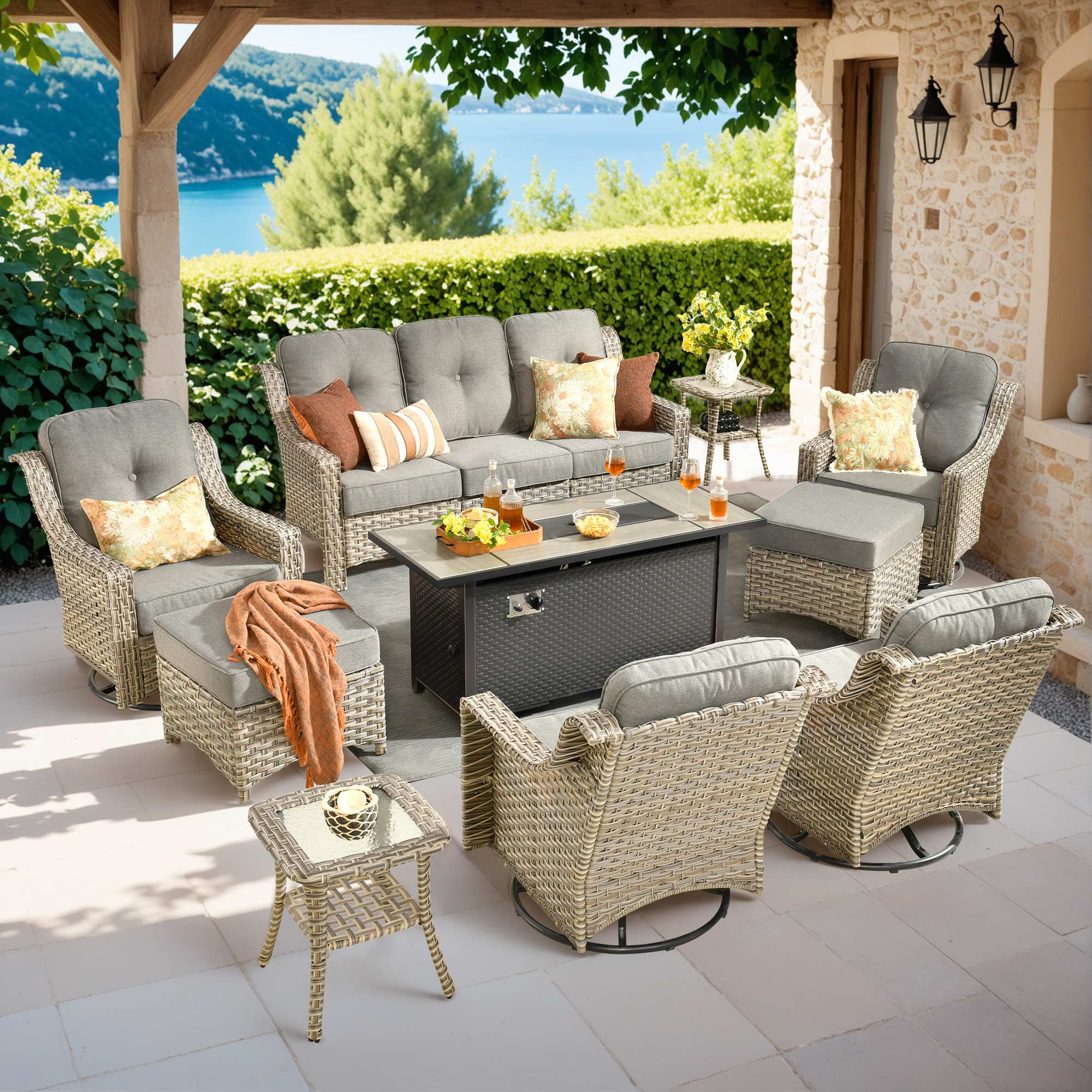
If your current set is showing its age, explore durable options like the OVIOS outdoor wicker conversation set or high-back PE wicker collections built for longevity.
Key Takeaways for Long-Lasting Patio Furniture
Protecting all-weather wicker is about consistent, gentle habits rather than intensive labor. Clean regularly with mild solutions, ensure complete drying, use covers or storage strategically, and inspect for wear before issues escalate. By following these practices, you can enjoy your patio set for many seasons while minimizing waste and replacement costs.
This article provides general comfort and setup guidance for outdoor furniture. It does not constitute advice on health, medical conditions, or safety certifications. If you experience persistent issues with mold, material degradation, or discomfort, consult the manufacturer or a qualified professional for your specific products and local conditions.
For more on extending the life of your outdoor pieces, see our guide on stopping the cycle of disposable patio sets and the secret to long-lasting patio furniture through replacement cushions.

Leave a comment
This site is protected by hCaptcha and the hCaptcha Privacy Policy and Terms of Service apply.