



Key Takeaway
Your outdoor living space is only as good as the care you give it between seasons. Whether you're opening up for spring, protecting against winter, or maintaining through summer's heat, a simple seasonal routine keeps your furniture, flooring, and structures in peak condition, saving you money on repairs and replacements while ensuring your outdoor space is always ready to enjoy.
Most homeowners only think about their outdoor space when the weather is perfect, and pay the price when it isn't. Each season brings unique threats that can damage your property if ignored.
Spring moisture leads to mold, while summer UV rays fade fabrics and crack wood. Autumn leaves trap rot-inducing dampness, and winter frost can split stone or metal. Proactive care prevents these small issues from turning into expensive disasters. This plan provides a clear, season-by-season approach for your furniture, flooring, structures, and plants so your yard stays beautiful for years.

Why Seasonal Preparation Pays Off
Skipped care results in immediate physical damage. Wood structures can rot if water sits on them too long, and metal frames may develop deep rust that ruins their structural integrity. When you ignore a small crack in a patio stone during the fall, winter ice expands inside that crack, potentially turning a simple fix into a tripping hazard that requires a full tear-out.
A solid seasonal patio preparation routine usually takes about two to three hours at each transition point. This small time investment protects the money you spent on your deck or garden. A well-maintained area also keeps your home's value high, making it easier to sell later if you decide to move.

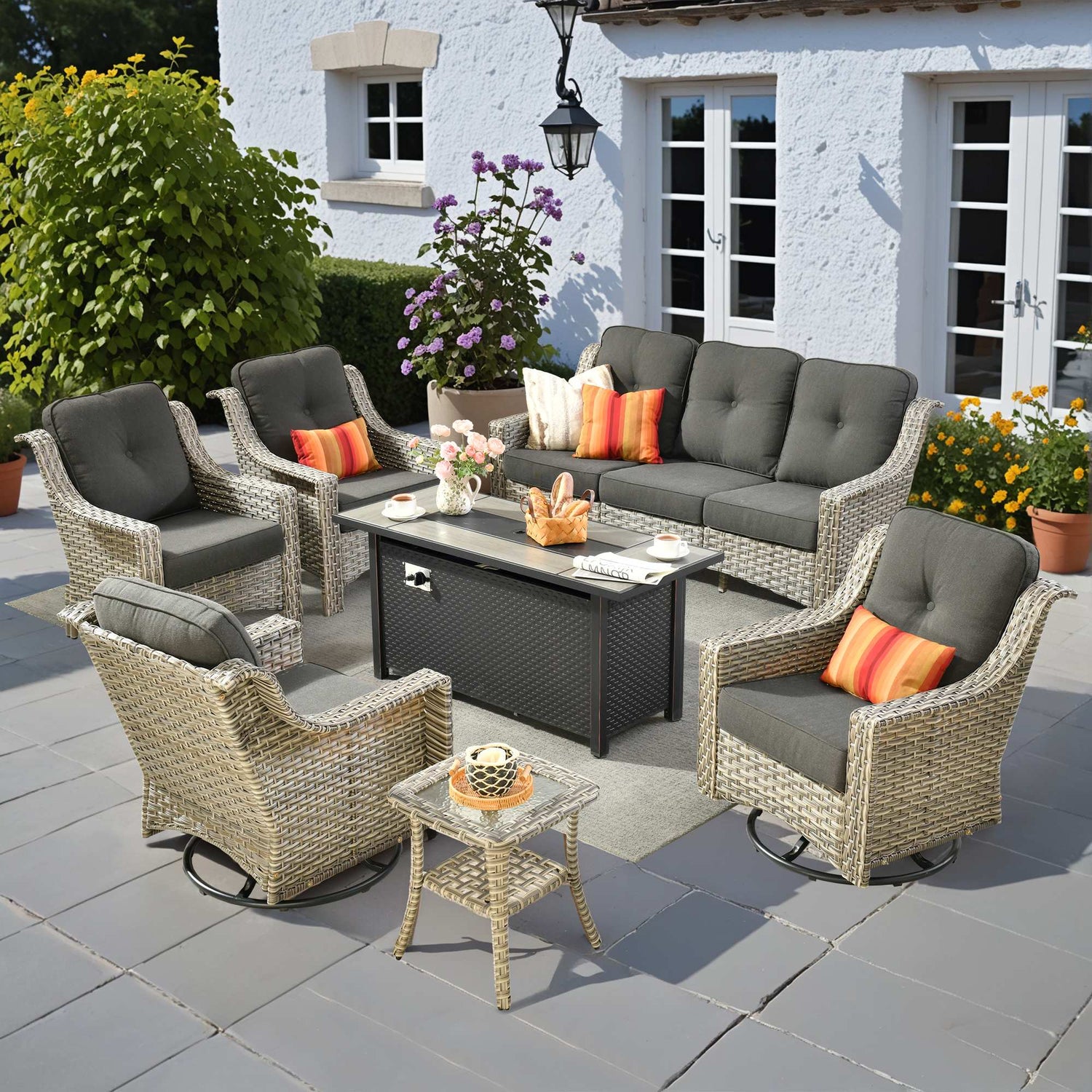
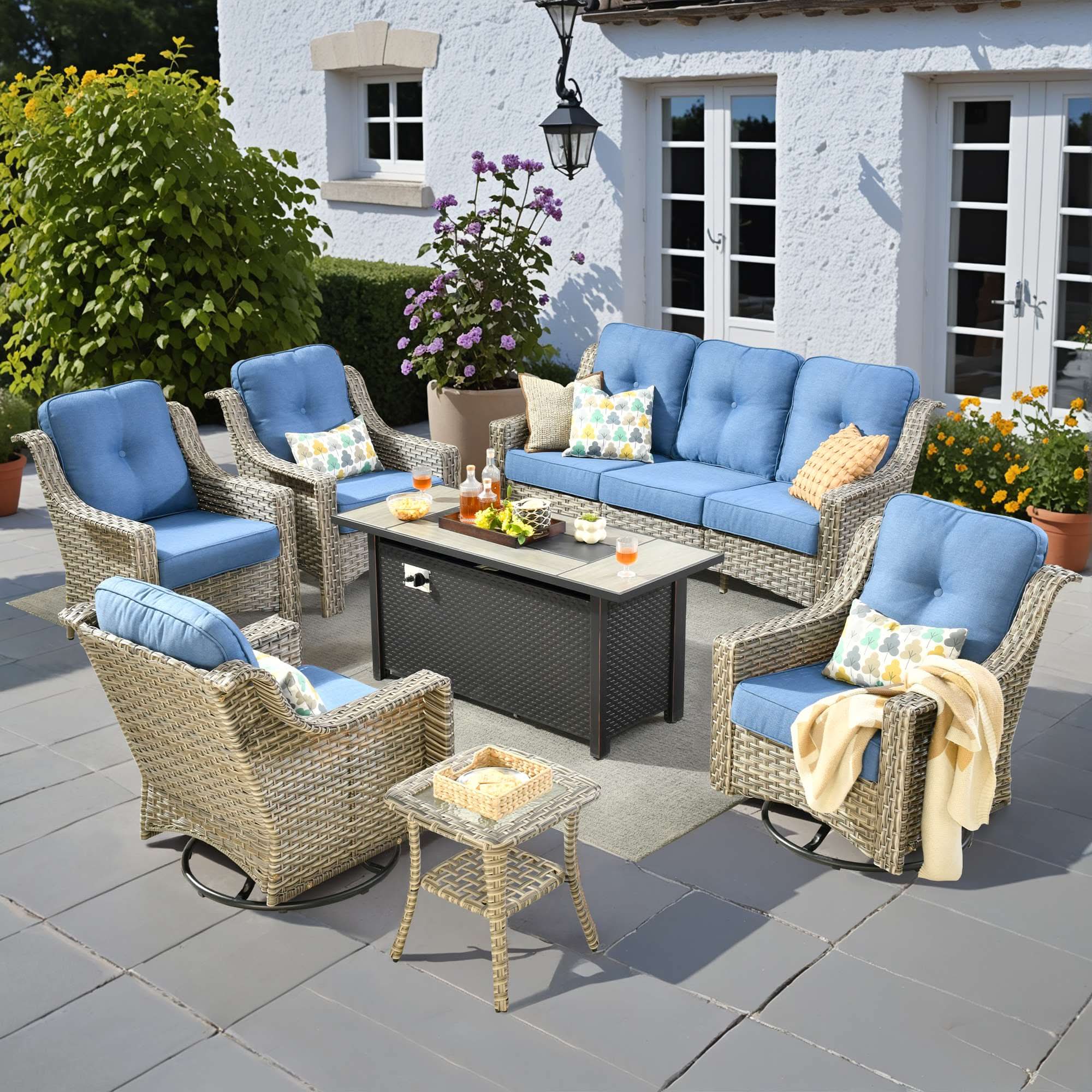
OVIOS 6-Piece Wicker Patio Furniture Set, All-Weather Rattan Conversation Bistro Loveseat Chair and Table Set for Backyard
Spring Patio Refresh: Reopen and Inspect (March–April)
As the snow melts and birds return, it is time to get your backyard ready for use. Following a specific order ensures you don't damage your items by rushing the process too early.
Don't Rush the Reopen
Wait until nighttime temperatures stay above 40°F consistently before you take off all the covers. If you uncover everything during a warm afternoon but a frost hits at night, you could damage new plants or fragile finishes. Try a gradual transition: loosen the covers during the day to let the air move, then pull them tight again at night until the risk of freezing passes. Always check your covers for holes or wear before you fold them up for summer storage.
Deep Cleaning After Winter
Wash your patio furniture frames with mild soap and warm water. This removes the film of salt, pollen, and mold that builds up over the colder months. For the cushions, scrub them gently and let them dry in the sun. Use a pressure washer or a stiff brush to clean moss and grime off your deck or stone pavers. Removing this slick buildup makes the area safer to walk on.
Structural and Safety Inspection
- Check your pergola or gazebo beams for soft spots that feel like soggy bread — this is a sign of rot.
- Tighten any loose bolts on chairs and tables that might have shifted during temperature changes.
- Run a hose over your patio to see where the water goes. If it pools in one spot, you may need to relevel a few stones.
- Finally, pour a little water on wooden surfaces. If the water soaks in instead of beading up, it is time to apply a new sealer.
Garden and Landscape Restart
Remove dead leaves and old stalks from last year. Spread fresh mulch in your garden beds to keep weeds down and hold moisture in the soil. Check your sprinkler system for leaks or cracked pipes caused by frozen water. This is also the best time to put out new flowers and refresh your potted plants to give the area some color.

Summer Maintenance: Protect and Enjoy (May–August)
Summer brings high heat and intense sunlight that can wear down even the toughest materials. Keeping things covered and hydrated is the main goal during these hottest months of the year.
Manage Heat and UV Exposure
Intense sunlight acts like sandpaper on fabrics and wood. Use umbrellas, shade sails, or retractable awnings to block the sun. These tools protect your skin and keep your furniture from fading.
If your chairs aren't already treated, apply a UV-protective spray to the fabric.
Stick to light-colored covers if you use them during the day, as dark colors soak up heat and can warp certain plastics.
Upgrade Comfort for Peak Season
Install outdoor fans to keep the air moving; this can make the patio feel significantly cooler. In very dry areas, a misting system can drop the temperature by several degrees. You can also swap out heavy blankets for light throw pillows and bright rugs to give the space a breezy, summer feel.
Follow Summer Routine Maintenance
Clean your grill at least once a month to prevent grease fires and check the gas lines for leaks. High heat can cause the sand between patio stones to shift, so check the joints and add more sand if you see gaps. Water your plants early in the morning, between 6 AM and 8 AM. This gives the water time to reach the roots before the sun evaporates it.
Fall Preparation: Wind Down and Protect (September–November)
When the leaves start to turn, your focus shifts to keeping things dry and clean. This is the most important season for preventing mold and rot before the long winter sets in.
Leaf and Debris Management
Sweep fallen leaves off your furniture and deck every week. Wet leaves act like a damp sponge, rotting wood and staining stone. Trim any branches that look like they might break during a storm. Make sure your gutters and patio drains are clear so heavy fall rains don't flood your living area.
Furniture and Cushion Transition
Clean everything before you put it away. Never put a cover over a dirty chair, as the dirt can grind into the finish over the winter. Storing patio cushions requires them to be 100% dry. Even a tiny bit of moisture trapped in a storage bag will turn into black mold by spring. If you have hardwood furniture, apply a fresh coat of oil now to give it an extra layer of protection against the snow.
Plant and Lawn Care
Give your grass a "winterizer" fertilizer to help the roots stay strong while the blades are dormant. Move sensitive potted plants inside before the first frost hits. This is also the time to plant bulbs like tulips or daffodils so they can grow in the spring. As it gets cooler, you can slowly turn down your irrigation system to save water.
Heating and Lighting Prep
Check your patio heaters before you actually need them. Make sure the igniters spark and the propane tanks are full. If you have a fire pit, get a waterproof lid to keep rain from filling the basin. Check your outdoor lights for any cracks in the seals. Rain getting into a light fixture can cause a short circuit or ruin the bulb.
Winter Protection: Store, Cover, and Monitor (December–February)
Winter is the hardest season on your outdoor gear. Success depends on knowing which materials can stay outside and which need to be moved into a garage or shed to survive.
Storage Strategy by Material
- Weatherproof wicker furniture and powder-coated aluminum can usually stay outside if they have a good cover.
- However, cast iron and untreated steel will rust almost immediately if they get wet, so move them to a dry spot.
- Winterize outdoor furniture made of wood by covering it tightly or moving it to a shed.
- Always bring cushions inside; a basement or closet is much better than an outdoor storage box.
Choose the Right Furniture Covers
Do not use cheap plastic tarps. They trap moisture underneath, which causes metal to rust and wood to rot. Use breathable covers made of heavy-duty fabric. These allow air to circulate while keeping rain and snow off the surface. Use the straps to tie them down tightly so the wind doesn't blow them away or rub them against the furniture.
Structural Winter Monitoring
If you live where it snows, don't let heavy piles sit on your pergola or awning. The weight can warp the beams or snap the supports. After a big freeze and thaw, look at your stone walkway. Sometimes the ground shifts and pushes stones up, creating a trip hazard. Keep your drains clear of ice so melting snow has a place to go instead of backing up under your siding.
Year-Round Principles for a Low-Maintenance Outdoor Space
Smart choices and simple habits keep your yard ready for use without constant work.
- Pick Tough Materials: Aluminum and synthetic rattan resist rust and rot. Choosing high-quality, weather-resistant fabrics reduces the need for repairs.
- Cover Regularly: Use furniture covers after every use, not just in winter. This stops sun damage and keeps your seats clean.
- Set a Schedule: Mark a calendar for maintenance. Checking things twice a year prevents surprise damage.
- Fix Small Issues Fast: Tighten a loose screw or patch a small stone crack today. Waiting until next year makes repairs much more expensive.
- Add Year-Round Comfort: Heaters and shade sails help you use your patio in any weather. This ensures your investment provides value every month of the year.
FAQs About Seasonal Care
Q1: When should I start preparing my outdoor space for winter?
Start in late September or early October. You want to finish your cleaning and oiling while the air is still warm enough for things to dry quickly. Waiting until it is freezing makes the work much harder and less effective.
Q2: Do I really need to bring furniture indoors, or can I just cover it?
It depends on the material. Aluminum and high-quality synthetic wicker do fine outside with a cover. Cast iron must go inside. Wood is a middle ground — it can stay out if covered, but it will last years longer if you put it in a garage or shed.
Q3: How do I prevent mold on cushions during storage?
The most important rule is to make sure they are completely dry. Even if they feel dry to the touch, they might be damp inside. Let them sit in a dry room for 24 hours before bagging them. Use fabric bags that breathe rather than plastic bins that seal moisture in.
Q4: What is the most important spring maintenance task?
Inspect your drainage system. If water doesn't flow away from your house and off your patio, it will eventually destroy your foundation or your stonework. Fixing a drainage path is much cheaper than fixing a cracked patio.


Leave a comment
This site is protected by hCaptcha and the hCaptcha Privacy Policy and Terms of Service apply.