



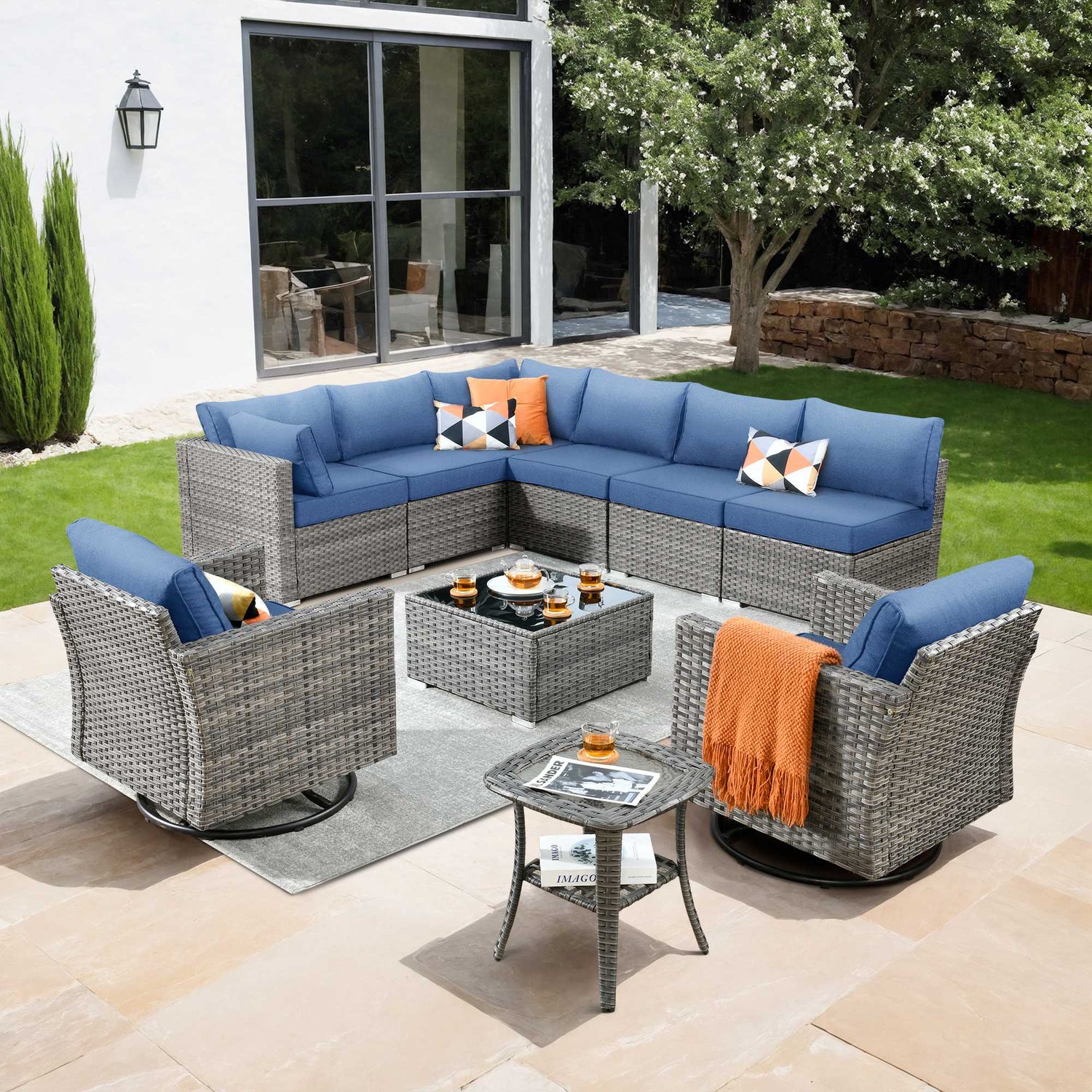
Replacing worn cushions is one of the smartest ways to extend the life of your still-solid patio furniture. By measuring the frame accurately and selecting high-density foam with weather-resistant fabric, you can restore comfort and support without buying an entirely new set. The key is to prioritize frame measurements over old cushion dimensions, choose around 1.8 PCF foam density for longevity, and opt for performance fabrics like olefin that balance value and durability.
Why Frame-First Measurements Matter for Replacement Patio Cushions
Frames often outlive their cushions by many years, making replacement a cost-effective way to refresh your outdoor space. Old cushions make a poor template because years of use cause the fabric to stretch and the foam to compress or sag. Measuring the frame itself restores the original fit and prevents common issues like cushions that bunch, slide, or fail to sit flat.
This approach supports what many call the replacement economy: keeping good frames in service longer instead of discarding them. For wicker, sectional, or lounge sets, the goal is to treat the furniture skeleton as your reference point. This guide to long-lasting patio furniture explores how replacement cushions fit into a sustainable outdoor setup.
How to Measure Patio Cushions for a Perfect Fit
Always measure the furniture frame itself rather than the old cushions, as worn foam and fabric can stretch or sag over time, leading to inaccurate replacement dimensions (Sailrite measurement guide). Start with standard sofas and sectionals by recording the inside seat width and depth at the frame edges. For curved-back wicker chairs, measure at the narrowest inside points and account for the arc so the cushion follows the contour without pushing forward.
Apply the 1/4-inch rule by rounding down your measurements to the nearest quarter inch. This creates a snug fit that reduces bunching and makes insertion easier. When measuring back cushions, factor in the seat cushion thickness to determine total height so the pieces align properly.
Different furniture types require slightly different focus. Sectionals benefit from checking corner seam allowances to avoid gaps or overlaps between pieces. Wicker sets often need extra attention to curved geometry. This wicker-specific replacement guide offers tailored tips for those popular frames.
Choosing the Right Foam Density and Thickness for Durability
For standard seating, 1.8 PCF (pounds per cubic foot) is considered the industry standard for high-quality foam that balances comfort with long-term performance (Foam density chart). Density matters more than thickness for preventing the “pancaking” effect where cushions flatten quickly under repeated use. High-resilient (HR) foam offers better bounce-back compared with standard poly foam.
Reticulated foam, sometimes called dry-fast foam, provides superior drainage in rainy or poolside areas because its open-cell structure lets water pass through instead of being trapped. Treat thickness as a comfort adjustment rather than a durability proxy. A thicker low-density foam will still flatten faster than a properly dense thinner option.
Foam Density vs Thickness for Patio Cushion Durability and Comfort
Use this chart to weigh whether density or thickness matters more when choosing replacement patio cushion foam.
View chart data
| Category | Longevity fit | Comfort fit |
|---|---|---|
| Low-density, thin foam | 1.0 | 2.0 |
| Low-density, thicker foam | 2.0 | 4.0 |
| High-density, thin foam | 4.0 | 3.0 |
| High-density, thicker foam | 4.0 | 5.0 |
Based on planner guidance and product-selection evidence that around 1.8 PCF is the durability benchmark, thicker foam mainly improves comfort, and reticulated foam supports drainage.
This chart helps visualize the trade-off. High-density options score higher on longevity regardless of modest thickness differences. See our outdoor cushion comfort guide for more on balancing support and softness.
Selecting Weather-Resistant Fabrics That Last
High-performance outdoor fabrics should meet ASTM G154 standards for UV resistance to ensure they can withstand thousands of hours of direct sunlight without significant fading or loss of physical strength (Acme Mills industry standards). To verify mildew and fungal resistance, look for materials that pass the ASTM G21 test, which measures a fabric's ability to resist microbial growth in humid or wet environments (Contract Textiles performance guidelines).
Solution-dyed acrylic remains the gold standard for outdoor durability because the color is permeated throughout the fiber. Olefin serves as a high-value mid-tier choice that delivers strong stain and moisture resistance at a more accessible price point. Polyester generally offers the least longevity under constant sun exposure.
Avoid the “washable” trap. Machine washing covers in hot water or dryers can cause shrinking that makes reinserting the foam difficult and may damage zippers. Spot cleaning or gentle rinsing usually preserves the best results. Our olefin fabric overview explains why this material works well for many replacement projects.
Compatibility Check: Shapes, Ties, and Closures
Beyond size and materials, pay close attention to how the cushion attaches to the frame to ensure it stays in place. Box-edge cushions create a structured look that often fits modern frames better, while knife-edge styles offer a softer, more casual appearance. Tie styles and placement matter especially on windy patios or for deeper seating where cushions can shift.
Hidden zippers with corrosion-resistant hardware prevent water entry and extend cover life. Piping or welting can add both structural reinforcement and a finished style detail. When shopping for sets, confirm that replacement cushions match the original shape category so they integrate seamlessly with existing pieces.
Troubleshooting Common Replacement Cushion Fit Issues
If new cushions arrive slightly too large, a simple tuck along the seams or strategic placement of non-slip pads underneath can improve the fit without permanent alteration. Pilling on performance fabrics responds well to a fabric shaver, restoring a smooth surface after a season of use.
Preventing mold starts with proper storage. While deck boxes keep cushions dry, a properly fitted furniture cover often provides better all-around protection when the set is not in use. Vacuum-sealed replacements may appear compressed on arrival; allow them to expand in a warm area for 24–48 hours before final placement.
Ready to Refresh Your Patio for 2026?
Double-check your measurements against any manufacturer size charts before ordering. Many shoppers start with a single chair or loveseat set to confirm the fit and fabric performance before committing to a full sectional. Clean and treat your frames while waiting for delivery so everything is ready when the new cushions arrive.
Browse exact-fit options designed for popular series or choose versatile replacements that work across multiple furniture styles. Taking these steps now prepares your patio for another season of reliable outdoor enjoyment.
Frequently Asked Questions
How do I know if I measured my patio cushions correctly? Compare your frame measurements to the product dimensions and remember to round down by 1/4 inch. If the new cushion fits snugly without forcing it into the frame, your measurements were accurate. Test one piece before ordering an entire set.
Is higher density foam always better for replacement patio cushions? Higher density around 1.8 PCF improves resistance to flattening, but very firm foam may feel less comfortable for some users. Balance density with a thickness that suits your preferred seating feel, and consider reticulated foam where drainage is important.
What is the most durable fabric for outdoor replacement cushions? Solution-dyed acrylic offers top-tier UV and fade resistance. Olefin provides excellent value with strong stain and moisture performance for most climates. Both outperform standard polyester for long-term outdoor exposure.
Can I wash replacement cushion covers in a machine? Many covers are spot-clean only. Machine washing, especially in hot water, can cause shrinkage or damage zippers. Follow the care label and use mild soap with cool water when deeper cleaning is needed.
How thick should replacement patio cushions be? Thickness is mainly a comfort choice once you have secured proper density. Most users find 3 to 5 inches suitable for standard seating, but test what feels supportive for your body weight and seating style.
Do replacement cushions work with wicker patio furniture? Yes, when you measure the frame carefully and account for curved sections. Look for cushions labeled for wicker or curved-back designs, and choose box or knife edges that match your original style.

Leave a comment
This site is protected by hCaptcha and the hCaptcha Privacy Policy and Terms of Service apply.