



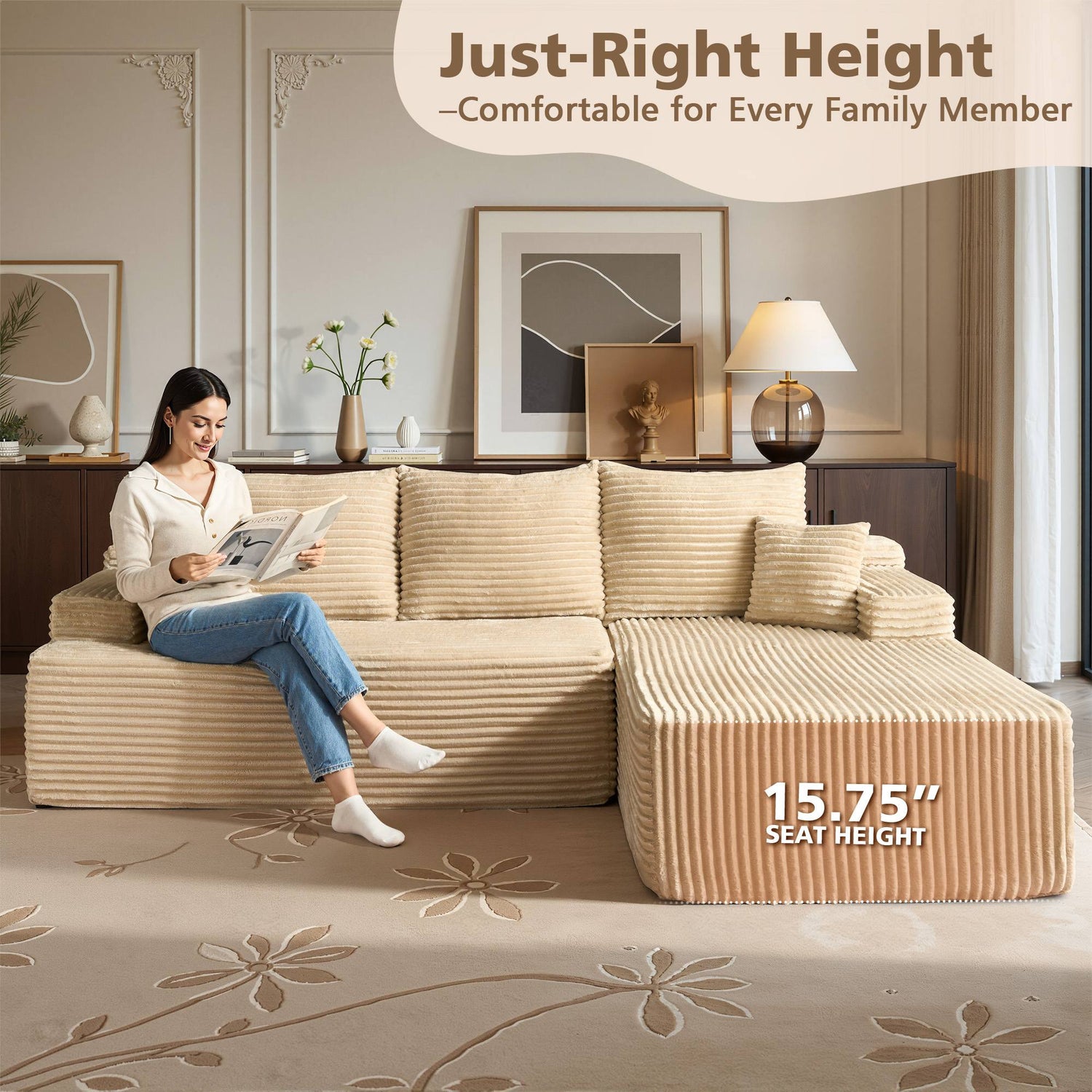
Performance Fabric Hierarchy: Choosing the Right Shield for Kids and Pets
The right performance fabric makes the difference between a sofa that survives family life and one that becomes a constant chore. As this official ACT performance guidelines resource explains, residential upholstery should generally meet at least 15,000 double rubs on the Wyzenbeek test for everyday durability. For high-traffic homes with pets and children, many experts recommend seeking fabrics rated for 30,000 double rubs or higher.
When selecting a "cloud" aesthetic, the weave of the performance fabric is just as important as its durability rating:
| Fabric Type | Snag Resistance | Pet Hair Removal | Stain Concealment | Best For |
|---|---|---|---|---|
| Cloud Velvet | High (Cut-pile) | Easy | Moderate | Cats and active dogs |
| Corduroy | Moderate | Moderate | High (Ribbed texture) | Families with young kids |
| Chenille | Low (Looped) | Difficult | Moderate | Low-traffic lounging |
Cloud Velvet is often considered a preferred option for homes with cats or active dogs. Its cut-pile construction lacks the loops that claws can easily catch, reducing the risk of snags compared to traditional woven fabrics. This makes it a strong contender for those seeking a best performance fabric sofa for pets.
Corduroy serves as an excellent "hide-the-mess" option. The ribbed texture naturally conceals crumbs, small spills, and minor marks that might be more visible on smoother surfaces, while still delivering a soft, cloud-like hand feel.
Chenille, while initially soft, tends to trap pet hair within its fibers and may show a higher risk of pilling in high-traffic settings. Its loopy structure can also be prone to snagging, making it less ideal for homes with shedding pets or rough play.
Most family-friendly options carry a W or WS cleaning code, allowing for water-based cleaners. This fabric standards guideline from AHFA outlines how these codes translate to practical home maintenance.
Performance Fabrics for Family and Pet Chaos
A tiered comparison of how each fabric tends to handle mess, pet hair, and snag risk in everyday households.
View chart data
| Category | Stain Resistance | Pet Hair Removal | Claw Snag Risk | Pilling Tendency |
|---|---|---|---|---|
| Cloud Velvet | 2.0 | 2.0 | 3.0 | 2.0 |
| Corduroy | 3.0 | 2.0 | 1.0 | 3.0 |
| Chenille | 1.0 | 2.0 | 3.0 | 3.0 |
Built from planner guidance and research notes on texture behavior, household mess visibility, and snag-prone weave structure, with tiers normalized to High/Medium/Low for decision use.

Cushion Construction: Why Hybrid Foam-Core Beats Traditional Down for Busy Homes
Many cloud-style sofas rely on down or down-blend fills for their signature sink-in feel, but this often requires a daily fluffing commitment. Hybrid foam-core cushions offer a practical alternative. Typically built around a high-density foam core (often 1.8 lb per cubic foot or higher, a common industry benchmark for durability) and wrapped in softer layers, these cushions deliver a plush look with significantly less maintenance.
- Shape Retention: Down-filled cushions generally need frequent plumping to avoid a deflated appearance. Foam-core hybrids retain their shape better under the weight of children jumping or pets lounging.
- The "Pancake Effect": High-resilience foam cores resist the flattening common in lower-density or vacuum-packed alternatives.
- Support vs. Sink: While pure down feels more enveloping at first, hybrids offer consistent support that may be more comfortable for users of varying ages and mobility levels.
Many Ovios models utilize this resilient foam construction to balance the desired "cloud" comfort with the longevity required for everyday family use.
Cushion Construction Fit for a Busy Family Home
A side-by-side tiered comparison of upkeep, support, shape retention, and play durability for two cushion construction choices.
View chart data
| Category | 100% Down | Hybrid Foam-Core (1.8+ lb) |
|---|---|---|
| Fluffing Frequency | 3.0 | 1.0 |
| Shape Retention | 1.0 | 3.0 |
| Initial Support | 1.0 | 2.0 |
| Durability under Play | 1.0 | 3.0 |
Built from the planner’s comparison notes: down typically needs daily fluffing, while foam-core hybrids keep their shape longer and 1.8+ lb foam is better suited to active use.
Evaluating Durability: Beyond the 'Cloud' Aesthetic
True performance grade goes beyond a soft touch. The Wyzenbeek double-rub test provides a standardized measure of abrasion resistance. While 15,000 rubs is the residential baseline, 30,000+ is a recommended threshold for environments with pets and children. This ACT performance guidelines page details the thresholds that separate marketing claims from verified durability.
The ASTM D3597 standard covers additional factors such as pilling resistance, seam strength, and colorfastness. These upholstery fabric standards from AHFA offer a reliable reference when comparing modular options.
Pro Tip: Before committing to a large modular purchase, test the sofa in your space if possible. A 72-hour "trial" period helps reveal whether the seat height, firmness, and overall stability suit your household's daily routines.
The Reality Check: Is a Cloud-Style Sofa Right for Your Family?
A cloud-style sofa can be a challenging fit for some households despite its inviting appearance. Consider these potential drawbacks:
- Maintenance Fatigue: Avoid 100% down versions if you cannot commit to regular fluffing, as they can quickly look "frumpy."
- Stability Issues: On hardwood floors, lightweight modular sections can slide apart during use. Look for models with robust connectors.
- Mobility: Low-slung or "boneless" designs may be difficult for older family members or those with joint pain to exit.
- Color Choice: Very light-colored fabrics, even performance-rated ones, will still show paw prints and spills more prominently than mid-tones or textured fabrics.
Performance fabric helps mitigate these issues, but no material is entirely "maintenance-free." For more guidance on durable options, see this guide to cloud couch alternatives that resist sagging and staining.
The Parent’s Guide to Sofa Maintenance: Cleaning Codes and Care Tips
Understanding cleaning codes is essential for longevity. W and WS codes indicate fabrics that tolerate water-based cleaners, which is a must for families. The AHFA fabric standards document provides clear explanations of these codes.
Recommended Maintenance Routine:
- The "Sofa HIIT": Rotate and plump hybrid cushions every two weeks to ensure even wear.
- Immediate Action: Promptly blot spills with a clean, dry cloth to prevent stains from setting.
- Weekly Vacuuming: Remove pet hair and crumbs before they become embedded in the weave.
- Gentle Brushing: For velvet or corduroy, a soft-bristled brush can help maintain the fabric's nap and texture.
For additional practical advice, review this ultimate guide to olefin and performance fabric furniture.
Quick Selection Checklist for Families
- [ ] Fabric Code: Is it W or WS?
- [ ] Durability: Does it meet or exceed 15,000 (ideally 30,000) double rubs?
- [ ] Construction: Is there a high-density foam core (1.8 lb+) to reduce fluffing?
- [ ] Connectors: Does the modular design include clips to prevent sliding?
- [ ] Texture: Does the fabric weave (like velvet) resist pet claw snags?
FAQs
What makes a performance fabric sofa better for pets than regular upholstery? Performance fabrics often use tight weaves or cut-pile constructions (like velvet) that resist snagging from claws and make pet hair easier to remove. They are also engineered for better moisture and odor resistance.
How often do you need to clean a cloud couch alternative with kids and pets? Spot clean spills immediately. Weekly vacuuming is recommended to remove hair and debris. A deeper cleaning frequency depends on use, but WS-coded fabrics allow for simple water-based spot cleaning for most incidents.
Do hybrid foam cloud sofas require less fluffing than down-filled ones? Yes. High-density foam cores are designed to rebound, meaning they generally maintain their shape with only occasional plumping, whereas pure down cushions often require daily attention to avoid looking flat.
Is Chenille a good choice for a family sofa? While soft, Chenille's looped texture can trap pet hair and may be more prone to pilling and snagging in high-traffic homes compared to performance velvet or tightly woven corduroy.
What should I look for when buying a modular cloud couch for a small apartment? Prioritize easy-connect models to keep sections together, check seat height for easy standing, and choose a performance fabric color that complements your space while hiding daily wear.

Leave a comment
This site is protected by hCaptcha and the hCaptcha Privacy Policy and Terms of Service apply.