



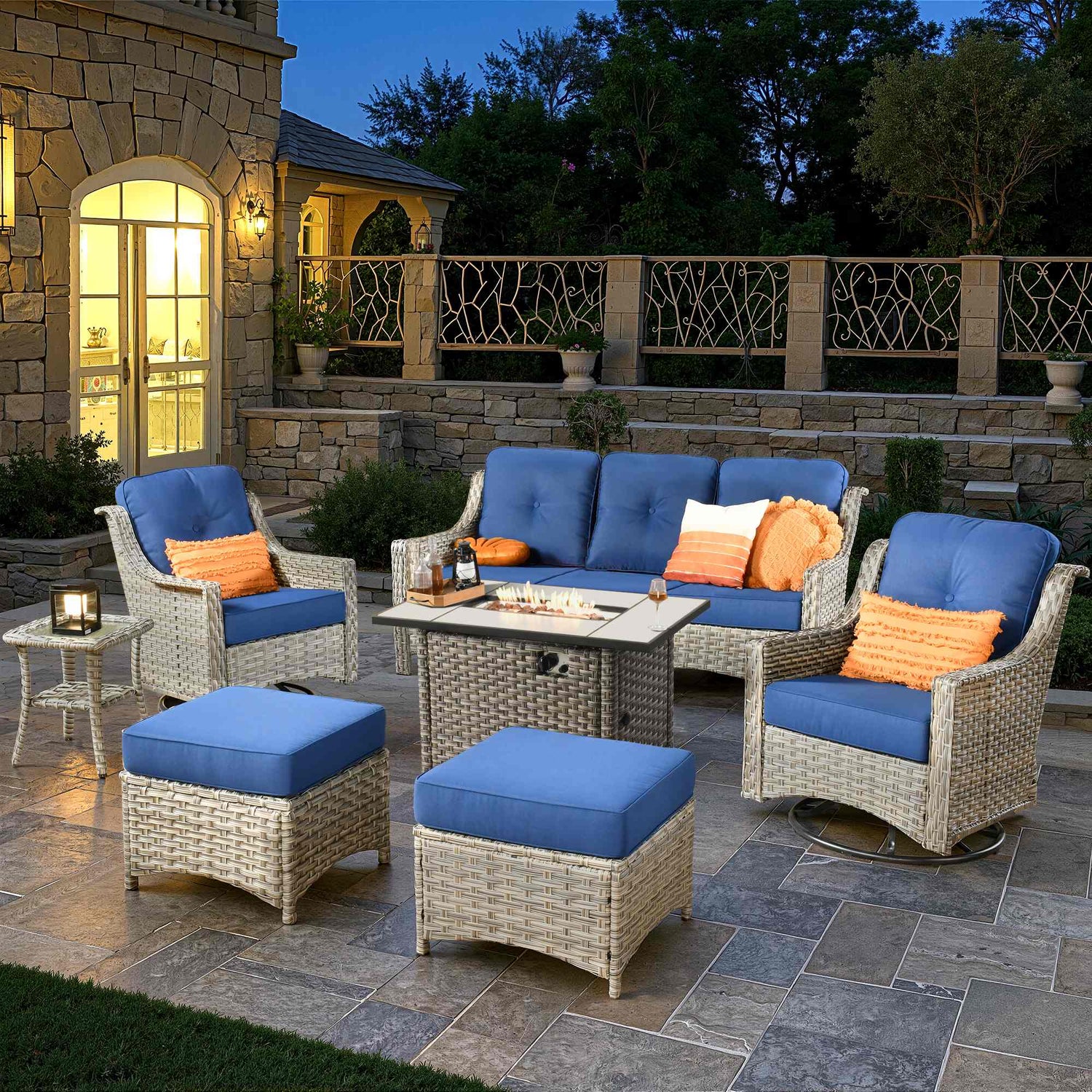
The real decision with replacement patio cushions isn't whether to refresh the soft goods—it's whether your patio frame and support structure are still structurally sound enough to make that investment worthwhile. In 2026, savvy homeowners are shifting from disposable outdoor furniture to repairable ecosystems that let them replace only what wears out first, typically the cushions and covers exposed to sun, rain, and humidity. This approach can extend the useful life of a patio set when the base passes inspection, but it requires checking frame condition first and accepting that compatibility and ongoing care remain essential.
Why The Disposable Patio Mindset Is Breaking Down
Homeowners increasingly encounter the same cycle: cushions fade, flatten, or stain after a few seasons, prompting full set replacement even when the frame remains functional. This frustration has driven interest in the replacement economy, where outdoor furniture is designed for targeted repairs rather than wholesale disposal. Rather than discarding an entire sectional because the soft parts have failed, many now seek repairable patio furniture that supports replacement patio cushions, outdoor cushion replacement covers, or individual modular components.
The shift makes practical sense in high-UV or humid climates where soft goods typically degrade faster than frames. Repairing or reupholstering cushions can extend the useful life of furniture when the base structure remains sound, according to analysis in the Green Lodging Project Phase 4 report. Environmentally preferable purchasing policies, such as those outlined by the U.S. Green Building Council, further support choosing durable, maintainable products with lower lifecycle impact where feasible. This article focuses on the strategic choice between repair paths rather than duplicating measurement or basic cleaning guides.
For a deeper look at selecting the right components, see our Smart Buyer's Guide to Replacement Patio Cushions and Modular Ecosystems.
How Do You Know Whether To Repair Or Replace The Frame?
Frame condition serves as the first and most important decision gate before purchasing replacement patio cushions. Start by inspecting for sagging seats, cracked welds, rust that has penetrated through metal, loose joints, or unstable support structures. If these issues appear, new cushions will provide only temporary cosmetic improvement while the underlying problem remains.
When the frame and suspension system still appear solid, replacing the soft parts often makes sense. Conversely, if the support structure is failing, full replacement is generally the safer option. This principle draws from structural assessment guidance in housing rehabilitation resources, which emphasize evaluating the base before investing in surface repairs.
Use this check seasonally, especially after winter or storm exposure. A failing frame turns any cushion purchase into a short-term fix, whereas a sound frame unlocks the benefits of a repairable ecosystem. Families in humid or coastal areas should pay extra attention to rust and joint integrity, as moisture accelerates these problems.
Patio Furniture: Repair vs Replace Decision Gate
Structural gate first: repair paths fit sound frames, while failing frames typically point to full replacement.
View chart data
| Category | Recommended path |
|---|---|
| Frame sound; soft goods worn | 1.0 |
| Frame sound; fabric bad; inserts good | 2.0 |
| Modular sectional; isolated damage | 3.0 |
| Frame failing; sagging / cracking / rust-through / looseness | 4.0 |
Based on structural assessment guidance and repair-life extension research, with compatibility and part-availability used to separate repair lanes.
Replacement Patio Cushions, Covers, Or Parts: Which Path Fits Your Situation?
The best choice depends on the specific failure mode rather than a one-size-fits-all approach. When the frame passes inspection but the cushions have flattened or faded from UV exposure, full replacement cushions restore comfort and appearance for sound structures. This path works well after seasonal sun damage or staining, provided you verify exact dimensions and attachment style.
Covers-only become appropriate when the foam inserts remain supportive and dry but the outer fabric has deteriorated. This option reduces cost and waste if compatibility is confirmed, yet it cannot fix flattened inserts. For modular outdoor sectionals with isolated damage to one piece, individual replacement parts often allow targeted refresh while keeping the rest of the set intact. However, exact-fit parts create dependence on continued manufacturer availability.
Full set replacement is the clearer move when the frame shows structural issues. Buying new cushions for a failing base simply postpones the inevitable and can lead to regret. Replacement cushions and covers are compatibility-dependent, so exact measurements and design specifics matter greatly. This scenario-based approach helps avoid mismatch issues and reduces long-term waste when applied thoughtfully.

For guidance on materials that stand up better to weather, explore What to Look for in Outdoor Cushions: Comfort, Durability & Style Guide.
What Is The Hidden Tradeoff In Repairable Outdoor Furniture?
Repairable patio furniture offers extended service life compared with disposable alternatives, but it introduces tradeoffs that buyers should weigh upfront. While replacing only the soft parts can reduce waste and cost when the frame remains viable, exact-fit components often tie you to a specific manufacturer's ecosystem. Future availability of matching replacement patio cushions or parts is never guaranteed across all brands or years.
Climate exposure remains a constant factor. UV radiation, humidity, and moisture accelerate wear on fabrics and foam even when frames hold up, meaning the ecosystem still requires regular attention. Repairability therefore functions as a life-extension strategy rather than maintenance-free ownership. It lowers overall environmental impact within sustainable purchasing logic, yet only delivers those benefits if owners commit to proper care and parts remain obtainable.
Modular systems amplify both the upside and the dependency. They allow part-by-part updates that preserve a cohesive look, but one damaged section can sometimes pressure broader refreshes if matching colors or designs become unavailable. The real exchange is longer usable life and reduced waste in return for compatibility vigilance and ongoing upkeep. See our guide on Building a Complete Outdoor Room with Modular Patio Furniture Systems for ecosystem planning insights.
How To Keep Replacement Cushions Looking Better For Longer
Routine habits can meaningfully slow visible wear on replacement cushions and covers. Regular cleaning with mild soap and water removes dirt, pollen, and stains before they set. Allowing cushions to dry completely before storage prevents mildew, especially important in humid climates where moisture-prone environments increase microbial growth risk.
Rotating cushions periodically distributes sun exposure and compression more evenly. Many owners also use protective covers during off-seasons or inclement weather to limit UV degradation and water exposure. Materials chosen with UV resistance in mind, as noted in environmental protection guidance, generally hold up better, though no fabric is immune indefinitely.
These steps do not eliminate the need for eventual replacement, but they help maximize the return on your repairable outdoor furniture investment. Treat maintenance as a practical necessity rather than an optional extra, particularly for families in high-exposure regions.
When Should You Replace The Whole Patio Set?
Return to the frame as your final checkpoint. If inspection reveals significant sagging, cracked supports, rust-through, or loose critical joints, shopping for replacement patio cushions alone is usually a poor use of resources. In these cases, new soft goods will sit on an unstable or unsafe base, creating both comfort and safety concerns over time.
Full replacement becomes the practical choice when the structure can no longer perform its role reliably. This avoids throwing good money after a failing foundation and prevents the frustration of repeated partial repairs that never fully resolve the issue. The rule is straightforward: confirm the base first, then decide on soft-part refresh or complete renewal.
By leading with structural condition instead of style or price, you make a more informed, lower-regret decision that aligns with both your budget and environmental considerations. This framework applies whether you are refreshing an existing set or researching a new modular system with replaceable components.
FAQs
How long do replacement patio cushions typically last?
Lifespan varies widely by climate, fabric quality, usage intensity, and maintenance habits. In high-UV or humid areas, expect faster wear on soft goods even with good care; there is no universal guarantee. Focus on frame condition first rather than projected years.
Can any replacement cushions fit my modular outdoor sectional?
No. Most replacement cushions and covers are compatibility-dependent and require exact measurements of seat depth, width, thickness, and attachment method. Always verify dimensions and design before purchase to avoid mismatch or poor fit.
Are covers-only a good alternative to full cushion replacement?
Covers-only can be cost-effective when the foam inserts remain firm, dry, and supportive and when you confirm perfect compatibility. They are not suitable if the padding has flattened or absorbed moisture, as new fabric alone will not restore comfort.
Does buying repairable patio furniture guarantee lower lifetime costs?
Not automatically. While targeted replacement of cushions or parts can reduce waste compared with full set disposal, the strategy depends on continued part availability, owner maintenance effort, and the frame remaining sound. It trades upfront ecosystem commitment for potential future flexibility.
How does climate affect the decision to repair or replace?
Harsh sun, humidity, and moisture primarily degrade fabrics, foam, and covers long before frames fail in many cases. In these environments, plan for more frequent soft-goods attention and stronger emphasis on protective habits or UV-resistant materials. Structural checks remain the priority regardless of location.
When does a modular sectional make the most sense for replacement parts?
Modular systems shine when damage is isolated to one or two pieces and the overall frame remains solid. They allow part-by-part refresh while maintaining a uniform look, provided the manufacturer continues offering matching components in the needed color and size.
What should I check first before buying replacement patio cushions?
Inspect the frame, joints, welds, and support suspension for stability, rust, or looseness. Only proceed with cushion or cover purchases if the structure passes this evaluation. This single step prevents the common regret of investing in soft goods for a set that needs full replacement soon after.

Leave a comment
This site is protected by hCaptcha and the hCaptcha Privacy Policy and Terms of Service apply.