



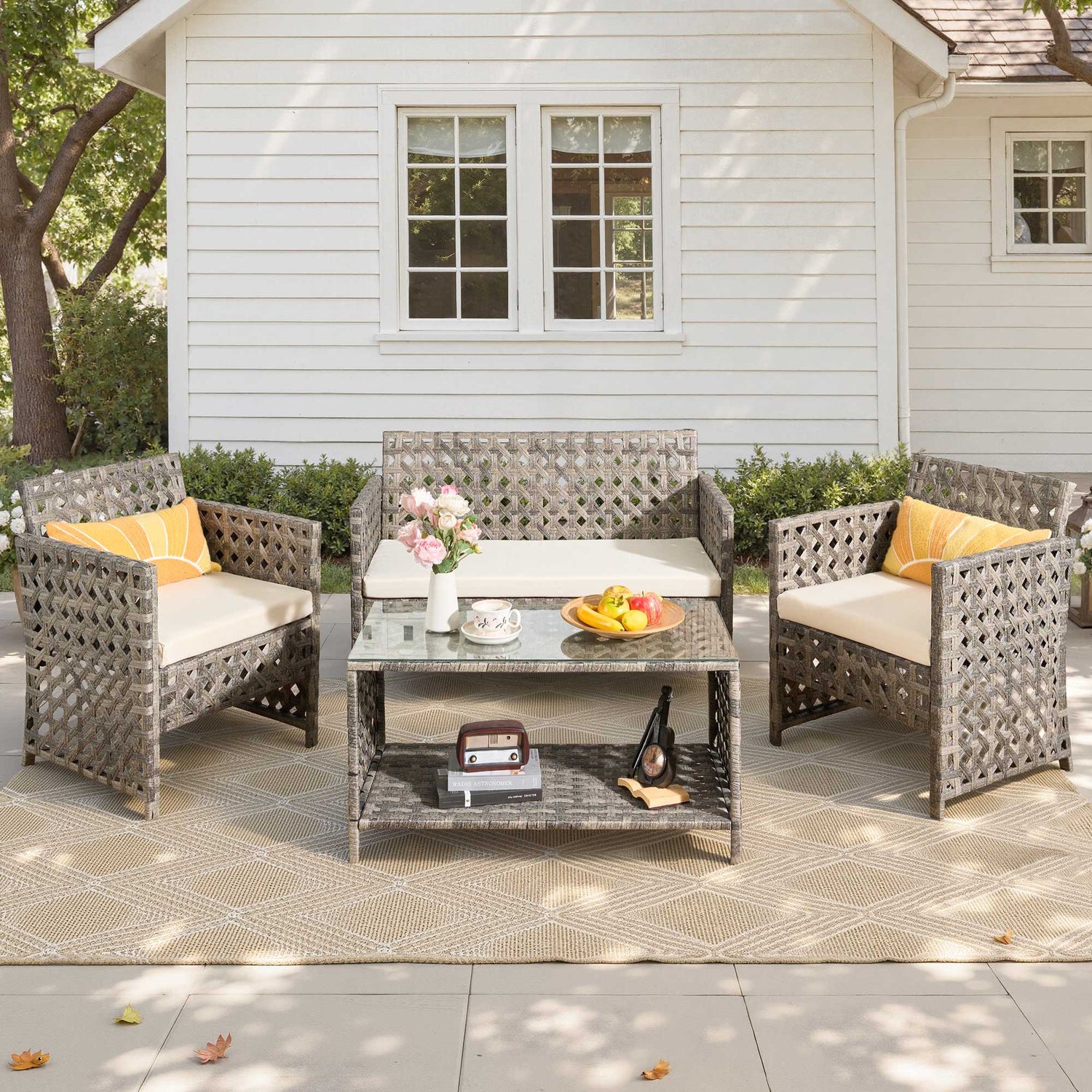
Essential Pre-Purchase Checks for Urban Balconies
Before browsing small balcony furniture for apartments, you must verify the physical and legal constraints of your specific space. Unlike a ground-level patio, a balcony is a structural extension with strict weight and safety parameters.
1. Verify Building Regulations and Load Limits
Start by reviewing your lease, HOA bylaws, or building management rules. Many high-rise properties prohibit specific items—such as heavy planters, certain types of umbrellas, or unsecured rugs—due to wind hazards. This NYC building guidance on facade and balcony inspections highlights that balconies are load-bearing structures. While most modern balconies are designed for standard residential use, avoid concentrated heavy loads (like large stone statues or heavy cast-iron sets) without consulting a building engineer.
2. Map Your "Usable" Square Footage
Don't just measure the floor; measure the clearance.
- The Door Swing: Open your balcony door fully. Mark the arc it creates on the floor with painter's tape. This area must remain clear.
- The Walking Path: For comfortable movement, aim for a clearance of 30 to 36 inches. While the ADA design standards apply to public accessibility, their 32-inch minimum clearance serves as an excellent rule-of-thumb for ensuring your balcony doesn't feel like an obstacle course.
- Railing Access: Ensure you can reach the railing easily for maintenance or emergency visibility.

Selecting the Right Furniture Profile for Narrow Spaces
For a micro-patio, the "visual weight" of furniture is just as important as its physical dimensions. Pieces with thin legs and open weaves allow the eye to see through to the floor and railing, making the space feel larger.
The Bistro Set: The Gold Standard for Narrow Balconies
Outdoor bistro sets for small balconies are the most efficient use of space. A standard 24-inch table with two slim chairs provides a functional "cafe" zone without obstructing the primary walkway. This is the safest choice for balconies with a depth of less than 4 feet.
The Loveseat: For Deeper "Micro-Patios"
If your balcony depth exceeds 5 feet, a compact loveseat can transform the space into a true lounge. However, ensure the piece is "apartment-scaled." Standard backyard loveseats are often too deep. Look for "shallow-depth" models that prioritize upright comfort over deep reclining to preserve floor space.
The Modular Dilemma
Modular seating is often marketed for flexibility, but in narrow spaces, it can become a liability. Each additional piece adds bulk and reduces the "negative space" that makes a small balcony feel luxurious. Only choose modular options if your balcony is wide enough to allow for a "corner nook" configuration that leaves the center of the balcony open. This scenario-based fit guidance provides further context on matching furniture types to specific urban layouts.
Material Science for High-Rise Environments
Wind exposure is the most overlooked factor in balcony furnishing. On higher floors, wind speeds are significantly higher than at street level, creating a "wind tunnel" effect.
- Stability vs. Portability: National Weather Service high wind safety rules emphasize that unsecured items can become dangerous projectiles. For high-rise living, avoid ultra-lightweight plastic or hollow aluminum unless you can anchor them.
- Recommended Materials: Powder-coated steel or heavy-duty PE wicker with internal steel frames offer a better balance of weight and stability. They are heavy enough to resist sliding in moderate gusts but light enough to be moved during a seasonal storage period.
- Cushion Management: High-density cushions are less likely to blow away than light, fiber-filled ones, but they should still be secured with ties or Velcro straps.
Balcony Furniture Fit by Space and Use Case
Short planning note: typical balcony layout guidance favors compact sets, preserved walking paths, and tighter furniture depth on narrow balconies.
View chart data
| Category | Bistro set | Loveseat | Modular |
|---|---|---|---|
| Very narrow / shallow | 3 | 1 | 1 |
| Compact medium | 2 | 3 | 2 |
| Wider / deeper | 1 | 2 | 3 |
| Entertaining-first | 1 | 2 | 3 |
| Stability-sensitive | 2 | 2 | 3 |
Based on typical balcony planning guidance that emphasizes compact footprints, clear walking paths, and simpler layouts for narrow balconies.
The "Edit" Strategy for Luxury Styling
Luxury on a micro-balcony is achieved through restraint. A common mistake is "over-accessorizing," which leads to visual clutter and a cramped feeling.
- Verticality is Your Friend: Instead of floor-standing pots, use railing planters or wall-mounted "living walls." This keeps the floor clear, which is a key psychological trick to make a space feel "high-end."
- Coordinated Palette: Stick to two or three colors. A neutral base (grey, beige, or black) with one accent color creates a sophisticated, hotel-like atmosphere.
- Lighting: Avoid harsh overhead lights. Use weather-resistant LED lanterns or slim string lights to create a warm glow that doesn't consume physical space.

Decision Matrix: Which Setup Fits Your Use Case?
| Balcony Type | Recommended Furniture | Key Benefit |
|---|---|---|
| Very Narrow (< 3ft) | Folding Bistro Set | Maximizes walkway; easy to store. |
| Standard Narrow (3-5ft) | Slim Loveseat or 3-Piece Set | Balanced comfort for reading/lounging. |
| High-Wind/High-Rise | Weighted Steel or Wicker | Safety and stability in gusts. |
| Rental/Temporary | Lightweight Aluminum | Easy to move; complies with most lease terms. |
FAQ
How much weight can a typical apartment balcony hold? There is no universal number, as it depends on the building's age and local codes. However, most residential balconies are designed to support at least 40–60 pounds per square foot. Always consult your property manager before installing heavy items like hot tubs or large stone planters.
What is the best furniture size for a narrow balcony? Aim for furniture that leaves at least 24 inches of walking space. For most balconies, this means a table diameter of 24–28 inches and chairs with a footprint of no more than 20x20 inches.
Are lightweight patio sets safe for windy high-rise balconies? Generally, no. Lightweight sets can shift or tip in high winds. If you use them, they must be anchored to the floor or brought inside during storms, following National Weather Service guidance.
How do I make my small balcony look more expensive? Focus on "negative space." By leaving parts of the floor visible and using furniture with slim profiles, the space feels intentional and curated rather than crowded. High-quality textiles and a single, well-placed outdoor rug also elevate the aesthetic.
Should I choose metal or wicker for balcony furniture? Metal (like powder-coated aluminum) is sleek and modern, while all-weather wicker offers a softer, more traditional look. For balconies, wicker is often preferred for comfort, but ensure it has a sturdy frame to prevent it from being moved by the wind.
Do I need to secure balcony furniture during storms? Yes. Regardless of the weight, any loose item can become a hazard in extreme weather. Use bungee cords, furniture covers with straps, or bring smaller items indoors when high-wind warnings are issued.

Leave a comment
This site is protected by hCaptcha and the hCaptcha Privacy Policy and Terms of Service apply.