



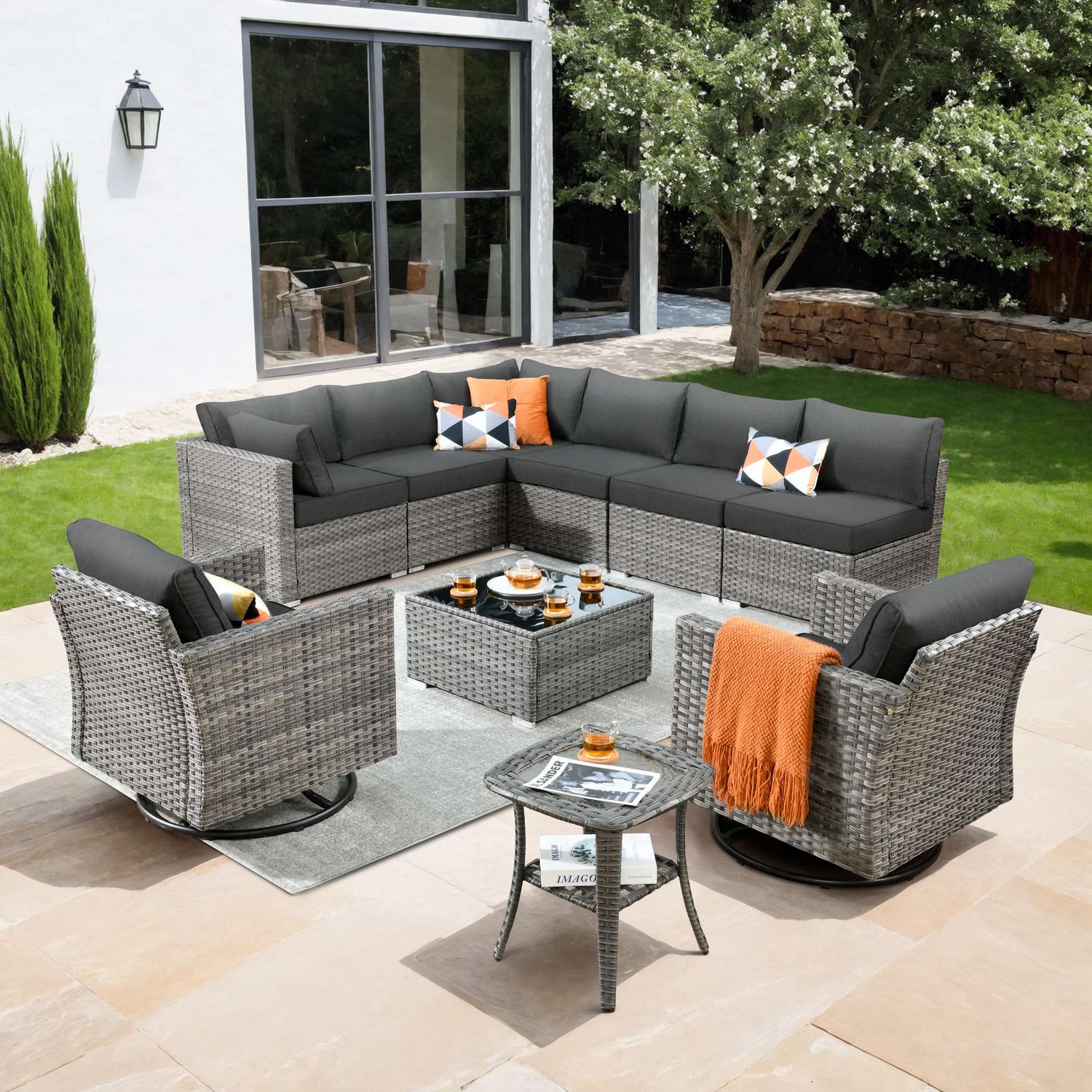
In 2026, more homeowners are choosing high-back ergonomic patio chairs over low-profile designs because longer outdoor relaxation sessions expose the limits of style-first furniture. Low-slung chairs often leave the upper back and shoulders unsupported, leading to slouching during reading, conversation, or lounging that lasts 30 minutes or more. High-back ergonomic patio chairs address this by providing broader support coverage, better alignment with the spine's natural curve, and improved fit for different body sizes and sitting durations.
What Makes A Patio Chair Ergonomic?
Ergonomic outdoor seating supports multiple body regions and helps reduce awkward posture rather than relying on cushion softness alone. According to the GSA Ergonomic Seating Adjustment Guide, a good ergonomic chair supports the back, legs, buttocks, and arms while minimizing strain. For patio use, this translates to designs that make extended sitting feel more natural and less tiring without promising medical outcomes.
The shift in 2026 reflects growing frustration with trendy low-profile patio furniture that looks appealing but fails to deliver lasting comfort. Shoppers now prioritize chairs that support proper posture outdoors, especially for sessions that turn a patio into an extension of indoor living space. This MedlinePlus guide to good posture explains why back support should follow the spine’s natural curve rather than depending solely on plush padding.
Creating a Cozy Outdoor Space: Top Picks for Comfortable Patio Furniture offers additional ideas on selecting weather-resistant pieces that balance support and style.
Why 2026 Shoppers Are Moving Beyond Low-Profile Patio Furniture
Buyers are rejecting low-slung looks because these designs often create discomfort during longer sits. Low-profile patio furniture frequently forces a slouched position after 20–30 minutes, particularly when upper-back or shoulder support is limited. This practical correction favors higher-back chairs that allow more upright, relaxed posture for everyday outdoor use.
The trend aligns with broader recognition that outdoor spaces should deliver indoor-level comfort. Rather than chasing minimal aesthetics, 2026 shoppers seek high back outdoor chairs that reduce the need to constantly adjust or add extra pillows. This change benefits anyone turning patios into true living areas for reading, coffee, or hosting.
Benefits of Swivel Chairs for Outdoor Lounging: Why They're Worth It explores related ways to enhance outdoor flow and comfort through thoughtful seating choices.
Back Height, Seat Depth, And Lumbar Support Are Not The Same Thing
Back height, seat depth, and lumbar support each affect comfort differently and should be evaluated separately. Low backrests mainly support the lumbar area, while higher backs extend coverage to the upper back and shoulders, as detailed in Cornell University ergonomics resources. Seat depth influences leg positioning and overall posture stability, and lumbar support targets the lower back curve specifically.
Treating these as interchangeable often leads to disappointment. A thick cushion may feel good initially but cannot compensate for insufficient backrest height or mismatched seat depth. This distinction helps shoppers avoid mistaking plushness for true ergonomic design in patio chairs.
Which Support Features Matter Most for Patio Chair Comfort?
Higher support usually helps most when the sitter wants longer, more relaxing outdoor use.
View chart data
| Category | Low-back / shallow seat / lumbar-only | High-back / deep seat / lumbar + upper-back |
|---|---|---|
| Back height | 1 | 2 |
| Seat depth | 1 | 2 |
| Lumbar support | 2 | 2 |
| Upper-back support | 1 | 3 |
| Short sit | 2 | 1 |
| Long sit | 1 | 3 |
| Smaller body size | 1 | 2 |
| Larger body size | 2 | 2 |
Built from planner guidance and recent outdoor-chair fit notes that separate back height, seat depth, and lumbar support into distinct comfort checks for different body sizes and sit durations.
This visualization clarifies the relative importance of each variable across typical scenarios and user needs. How to Maximize Comfort on a Small Apartment Balcony and Best Space-Saving Patio Furniture for Small Apartment Balconies provide complementary guidance for compact outdoor spaces where fit is especially critical.
Who Benefits Most From A High-Back Patio Chair?
Older adults and tall individuals often gain the most from high-back designs. For older adults, chair fit and ease of use matter as much as initial comfort, according to research on seating in aged care. Higher backrests reduce the effort needed to settle in and maintain supportive posture during conversation or reading.
Tall users should pay close attention to backrest height and seat geometry because standard low-profile chairs frequently feel too short or mismatched. High back patio chairs for older adults and patio chairs for tall people address these fit gaps by offering broader coverage and deeper seating that accommodates longer legs and torsos.
Longer sitting sessions—such as evening lounging or hosting—further increase the value of this support. When upper-back and shoulder comfort becomes important, high-back ergonomic patio chairs provide a clearer advantage over low-profile alternatives.
Benefits of Swivel Chairs for Outdoor Lounging: Why They're Worth It and Creating a Cozy Outdoor Space: Top Picks for Comfortable Patio Furniture highlight additional features that enhance usability for these groups.

How To Measure Comfort Before You Buy
Check whether the backrest follows the spine’s natural curve and supports both the lower and mid-back. Evaluate backrest height, seat depth, and lumbar contour as separate factors rather than assuming cushion thickness solves everything. The CDC resource on sitting design notes that a well-shaped backrest makes it easier to achieve proper lumbar support.
Use your intended sitting duration as a filter: shorter casual sits tolerate less support, while 30+ minute sessions benefit from higher backs and deeper seats. For older adults or taller users, prioritize ease of entry, exit, and overall body-size match over ultra-low styling.
A practical self-check involves sitting in the chair and noting whether your shoulders and upper back feel supported without forcing an awkward lean. Outdoor Sectional Buying Guide: What To Know Before You Shop and Conversational Sets vs. Sectionals: Selecting the Ideal Seating for Your Patio Space offer related advice on evaluating patio furniture dimensions and layout compatibility.
Don’t Buy A Chair Just Because It Feels Plush
Cushion thickness provides immediate softness but does not replace structural back support. A chair that feels plush can still allow slouching if the backrest fails to follow the spine’s curve or lacks sufficient height. MedlinePlus guidance on posture emphasizes that proper support depends on shape and alignment rather than padding alone.
When lower-back support is inadequate, a separate back pillow may serve as a temporary fallback, but it cannot fix fundamental geometry issues. This distinction prevents common regret where buyers choose based on initial feel and later find the chair unsuitable for longer outdoor relaxation.
Choose The Right High-Back Chair For Your Body And Use Case
The smartest choice matches the chair to your body size, typical sitting duration, and primary outdoor activities. High-back ergonomic patio chairs excel for reading, extended conversation, or family lounging where broader support reduces fatigue. Consider deep seating patio chairs for back support when your sessions regularly exceed 30 minutes or when upper-back comfort matters.
Browse options that align with your space and needs, such as Swivel Chairs for added mobility, Conversation Set collections for social setups, or the Patio Broad Armrests Series for enhanced arm comfort. Focus on fit first, then style, to create an outdoor area that genuinely supports long-term relaxation.
Frequently Asked Questions
Are high back outdoor chairs better for older adults? High back designs often improve ease of use and upper-body support for older adults, making it simpler to sit and rise while maintaining comfortable posture during conversation or reading. Prioritize chairs with stable frames and appropriate seat height rather than low lounge styling.
How do I know if a patio chair is deep enough for tall people? Test whether your thighs have full seat support without pressure behind the knees and whether the backrest reaches at least your shoulder blades. Tall users should favor deeper seats and higher backrests that prevent overhang or unsupported upper back.
Can lumbar support outdoor chair designs replace a back pillow? A well-contoured lumbar zone reduces the need for extra pillows, but if the chair’s fixed shape does not align with your spine, a removable cushion can supplement it. Always check overall back height and seat depth first.
What sitting duration makes high-back ergonomic patio chairs worth choosing? Chairs with higher backs become more valuable for sessions longer than 30 minutes, when partial lumbar support alone often leads to slouching or shoulder fatigue. Shorter casual sits may not require the extra coverage.
Should I choose high-back or low-profile patio furniture for small spaces? High-back chairs can work well in small patios when the layout allows proper placement; the added height improves comfort without necessarily increasing the footprint if armrests and depth are proportionate. Measure your space and test fit before deciding based on style alone.

Leave a comment
This site is protected by hCaptcha and the hCaptcha Privacy Policy and Terms of Service apply.