



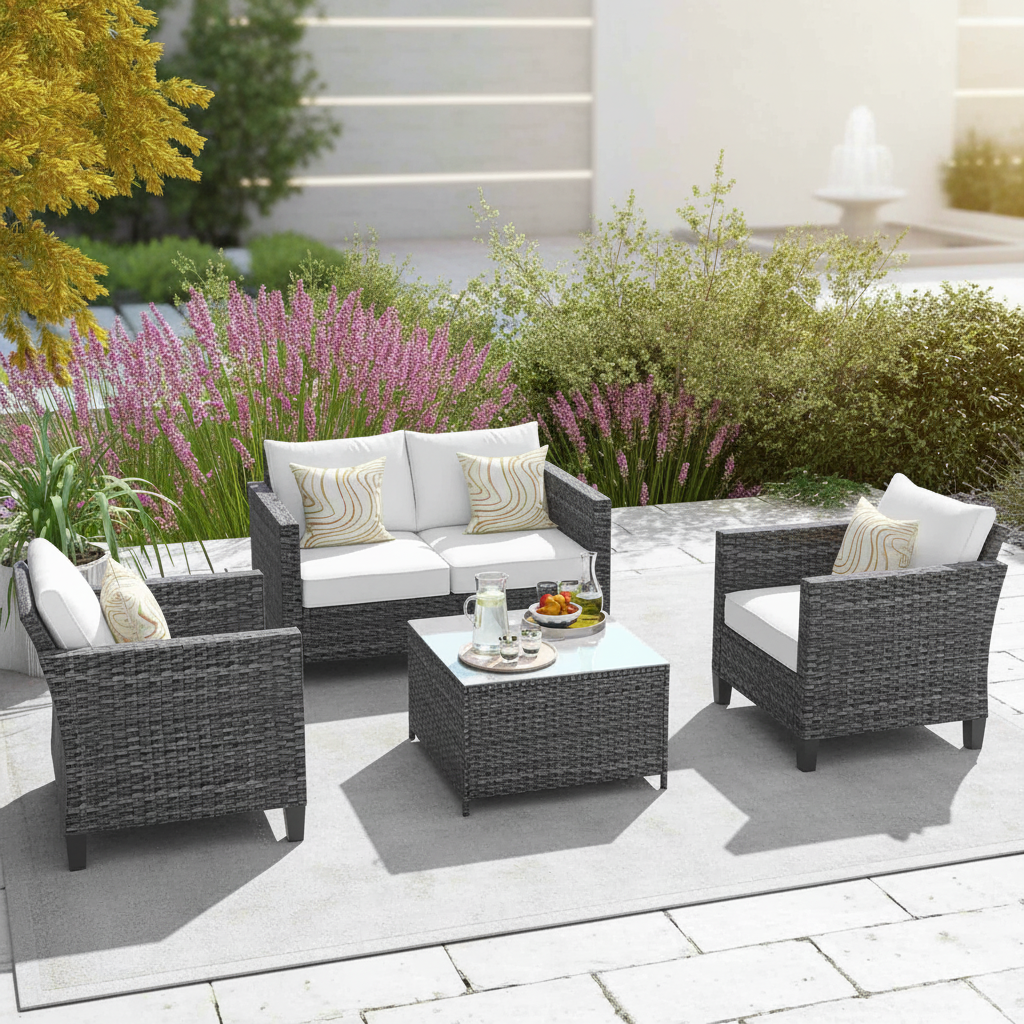
Outdoor sectionals with washable cushions solve a major frustration for 2026 homeowners: keeping patio furniture clean and fresh without endless scrubbing or frequent replacements. Removable covers made from quick-drying performance fabrics like Olefin let you machine wash spills, pet messes, pollen, and mildew risks instead of fighting fixed cushions that trap moisture. This approach protects your investment by making routine care practical, especially for families, pet owners, and those in humid climates who want their outdoor space to stay inviting season after season.

Why Your Next Outdoor Sectional Needs Washable Covers
Outdoor living spaces have become true extensions of our homes in 2026, with patios and decks used for everything from family meals to remote work. Yet many sectionals still rely on fixed cushions that quickly show stains from spills, pollen, mud, or pet accidents. Without a reliable cleaning strategy, even the best-looking set loses its appeal after one season of rain or high humidity.
Performance fabrics address this maintenance gap. As Phifer's durability guide explains, Olefin fabric is engineered to wick moisture and air-dry rapidly, often outperforming standard polyester in UV resistance and humidity management. This makes an outdoor sectional with washable cushions far easier to maintain than traditional options that require spot cleaning or professional servicing.
The result is less time spent on upkeep and more time enjoying your patio. For pet owners and families, removable patio cushion covers turn what used to be a dreaded chore into a simple refresh.
The Mold Prevention Window: Why Quick-Drying Fabric Matters
After a rainy week or heavy pollen season, many outdoor cushions develop musty odors or visible mildew. The key issue is trapped moisture. The EPA's mold prevention guidance states that drying damp materials within 24 to 48 hours is essential to prevent mold growth.
Standard polyester cushions act like a sponge, holding water and extending the drying time well beyond that window in humid conditions. In contrast, Olefin's moisture-wicking properties allow covers to dry quickly when removed, helping you stay safely within the critical prevention period.
This quick-drying advantage reduces mold risk without constant intervention. For high-humidity regions or shaded patios that stay damp longer, choosing a fabric that supports fast recovery is one of the most practical decisions you can make.
5-Year Total Cost: Modular Set vs. Disposable Sets
Compares upfront price, replacement cadence, and the resulting 5-year total cost under conservative planning assumptions.
View chart data
| Category | Modular Set | Three Disposable Sets |
|---|---|---|
| Initial Price | 1.0 | 0.6 |
| Replacement Frequency | 0.2 | 1.0 |
| 5-Year Total Cost | 1.0 | 1.8 |
Built from EPA’s 24–48 hour mold window guidance and planning assumptions that quick-dry olefin helps stay within that window, while budget wicker typically needs replacement every 18–36 months.
Avoiding the 'Washable Cover Trap': A Buyer’s Checklist
Many products advertise "machine washable" covers, yet real-world results often disappoint. Covers can shrink, zippers break, or seams fray after the first few washes if the design lacks proper engineering. This "washable cover trap" turns a promising feature into repeated replacement costs.
The 3-Point 'Washability' Stress Test helps you evaluate options more effectively:
- Test 1: Confirm the fabric is solution-dyed Olefin, which offers better shrink resistance and colorfastness than basic synthetics.
- Test 2: Look for heavy-duty zippers and reinforced seams that can withstand repeated removal and re-fitting.
- Test 3: Verify the care instructions require air-drying only—never machine drying, as heat can damage synthetic fibers.
A 'washable' label without these defenses often signals higher long-term hassle. Checking these details before purchase helps you avoid products that look convenient but fail under normal outdoor use.

The 5-Year Math: Why Replaceable Parts Save Your Budget
Budget outdoor sectionals with fixed cushions often follow a disposable cycle. Resin wicker and basic fabrics typically show significant wear within 18 to 36 months due to UV exposure and weather, leading to full set replacement every few years.
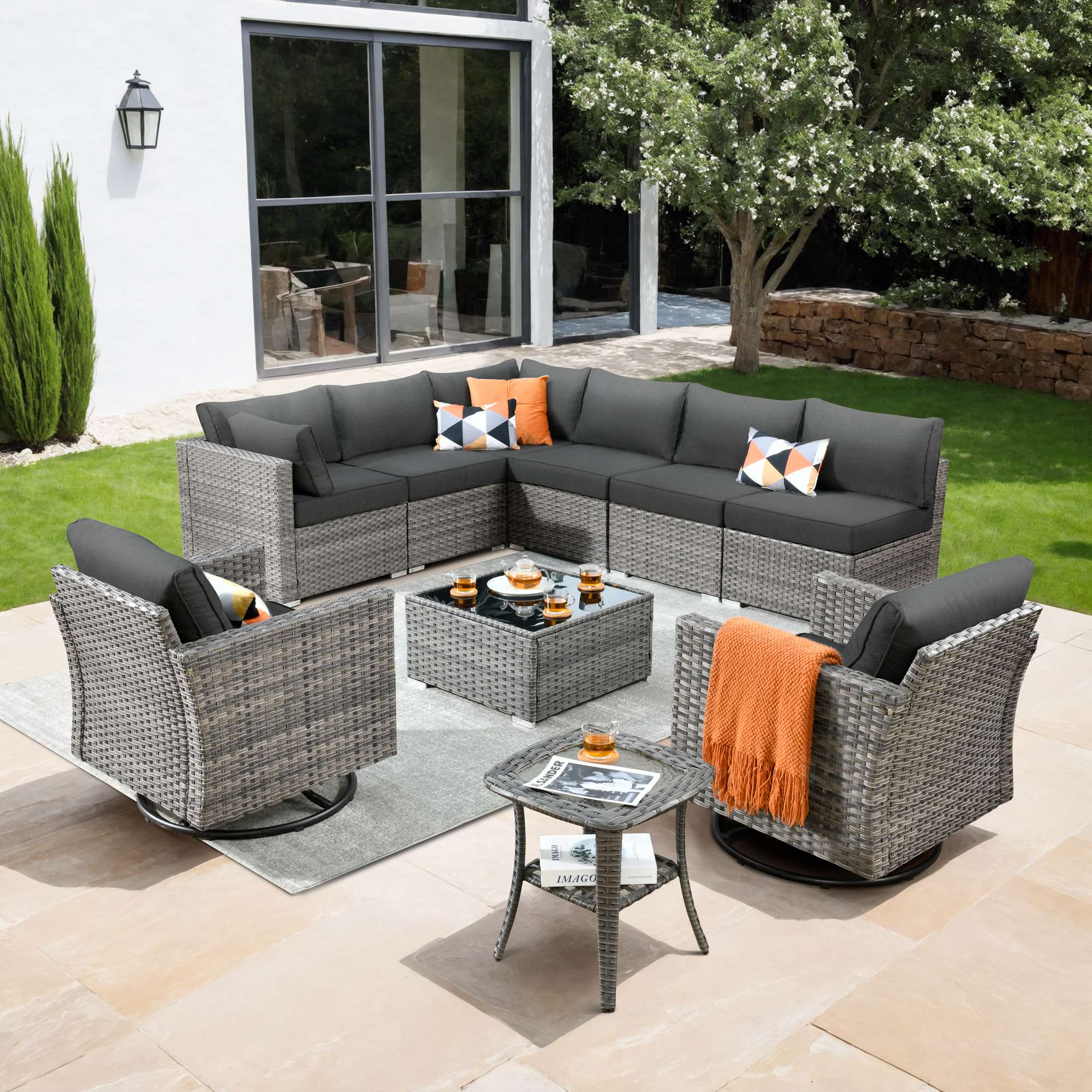
Modular designs with washable, replaceable parts change this equation. You can refresh individual cushions or sections instead of discarding the entire frame. Over five years, this replacement economy approach usually delivers lower total cost of ownership, especially when one or two targeted cushion refreshes extend the life of the main structure.
The chart above illustrates the likely pattern: while a quality modular set costs more initially, fewer full replacements and the ability to update only worn components often make it the smarter choice for most homeowners. Availability of replacement parts does vary by brand, so confirming ongoing support is a worthwhile step.
For those comparing options, an easy to clean outdoor sectional with removable covers supports both immediate usability and long-term value.
How to Wash Outdoor Cushion Covers Without Damaging the Fabric
Proper cleaning keeps your removable patio cushion covers performing well for multiple seasons. Start by removing the covers using the zippers—most are designed for easy on-and-off access.
Wash in a machine on a gentle cycle with cold water and mild detergent. Avoid bleach unless addressing mold: for solution-dyed Olefin, a diluted bleach solution (roughly 50 ml bleach per liter of water) can help with deep stains, per expert household guidance. Always test in a small area first.
The CDC's mold cleanup recommendations suggest wearing gloves, goggles, and ensuring good ventilation when handling mildewed items to minimize spore exposure. After washing, air-dry completely in a shaded area—direct sun or heat can affect fit.
A useful tip: re-fit covers while they are still slightly damp. The fabric has more give, making it easier to slide over the inserts without struggling or tearing seams. Following these steps reduces the risk of shrinkage or zipper issues that sometimes accompany washable claims.
Choosing the Right Outdoor Sectional with Washable Cushions in 2026
Selecting the best option comes down to verifying real washability rather than relying on marketing language alone. Prioritize solution-dyed Olefin covers with sturdy zippers, confirm air-dry instructions, and look for modular construction that supports part replacements.
This checklist helps rule out poor fits quickly:
- Does the fabric wick moisture and dry within 24-48 hours in your local climate?
- Are replacement cushions or covers readily available for the model?
- Will the design handle your household's specific use—pets, frequent entertaining, or shaded humid conditions?
Answering these questions early prevents buyer's remorse. When your current set shows signs of mildew or becomes too difficult to clean, upgrading to patio furniture with removable washable covers often proves the practical next step. It delivers both immediate ease and better protection of your outdoor investment over time.
FAQs
Are Washable Outdoor Cushion Covers Actually Machine Washable? Most quality Olefin covers are designed for gentle machine washing in cold water, but results depend on proper care. Always follow air-drying instructions and avoid high-heat cycles to prevent shrinkage or fabric stress that can occur with some synthetics.
How Often Should I Wash Outdoor Cushion Covers? Wash removable covers every 4-6 weeks during heavy use seasons or immediately after significant spills, pet accidents, or pollen events. Regular cleaning prevents buildup that leads to stubborn stains or odors.
Can I Use Bleach on Olefin Outdoor Cushions? Diluted bleach solutions are generally safe for solution-dyed Olefin when addressing mold, but limit use to occasional deep cleaning. Test on an inconspicuous area and rinse thoroughly to maintain fabric integrity.
Do Removable Covers Prevent Mold Better Than Fixed Cushions? Removable covers help significantly by allowing you to dry the fabric quickly after rain or cleaning, staying within the EPA's 24-48 hour moisture control window. Fixed cushions trap water more easily, increasing mildew risk in humid environments.
What Is the Best Fabric for Easy to Clean Outdoor Sectionals? Olefin stands out for its moisture-wicking, stain-resistant, and quick-drying properties compared to standard polyester. Solution-dyed versions also offer strong fade resistance, making them suitable for sunny or high-traffic patios.
Are Replacement Cushion Covers Worth Buying? Yes, when your sectional uses a modular design. Being able to replace only the covers or cushions instead of the full set lowers long-term costs and lets you refresh your look without discarding a still-functional frame.
How Do I Keep Outdoor Cushions From Smelling Musty? Remove and wash covers promptly after exposure to rain or humidity, ensure they dry fully before re-fitting, and store or cover furniture during extended wet periods. Quick action within the 24-48 hour window is the most effective prevention.

Leave a comment
This site is protected by hCaptcha and the hCaptcha Privacy Policy and Terms of Service apply.