



The Smart Buyer's Guide to Replacement Patio Cushions and Modular Ecosystems
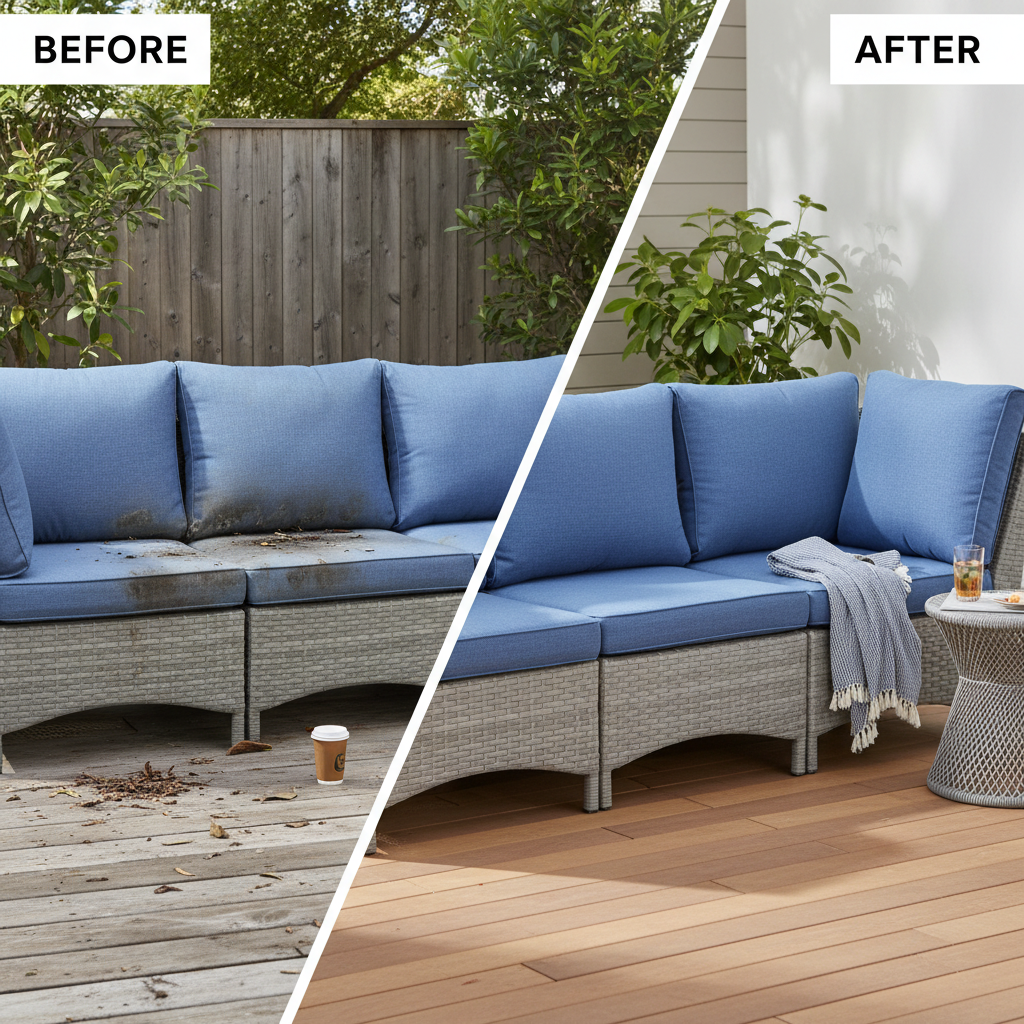
The biggest frustration with outdoor furniture isn't the frame—it's the fabric. Faded, stained, or flattened cushions can make an otherwise solid patio set look tired and feel uncomfortable. In 2026, the smartest move for many homeowners is to embrace the replacement economy by refreshing with exact-fit replacement patio cushions and modular ecosystems rather than discarding the entire arrangement.
Related Guides
This approach extends the life of your investment while delivering better long-term value. As official guidance on solar control explains, UV-driven fading and deterioration often claim cushions well before the frame fails. A modular cushion ecosystem with washable covers lets you update individual pieces as needed, keeping your outdoor space inviting season after season.
Why Frames Outlast Cushions and Why That Matters in 2026
Outdoor furniture frames built from weather-resistant wicker, aluminum, or teak routinely survive 10 to 15 years or more with basic care. Cushions, however, face relentless UV exposure, moisture, stains from food and spills, and mildew in humid climates. High UV exposure can fade fabrics and contribute to material wear, according to sustainable design principles from LANL. This mismatch creates the replacement economy: refreshing textiles is far less expensive and more sustainable than buying a whole new set.
For families with modular patio sectionals, the stakes are higher. A mismatched or worn cushion on one section ruins the visual harmony of the entire arrangement. Renters and condo owners especially benefit from quick, low-commitment refreshes that avoid moving heavy furniture or violating lease terms.

How to Measure Patio Cushions for Replacement Accurately
Incorrect measurements cause the majority of replacement disappointments. Measure each cushion separately because modular sectionals rarely use one universal size. Use a flexible measuring tape, yardstick, or ruler and record three critical dimensions for every piece: width, depth, and thickness.
Start with seat cushions. Measure from seam to seam across the top surface for width and front to back for depth. For thickness, measure the loft at the thickest point while the cushion rests uncompressed. Back cushions often taper, so record both top and bottom widths plus height. Corner pieces, chaise lounges, and ottomans require their own records because their shapes differ from standard rectangles.
For irregular modular pieces, trace the outline on paper or take photos with a ruler for scale. This component-by-component approach prevents ordering cushions that look correct online but fail to fit once they arrive. As general upholstery guidance confirms, each section should be measured separately before ordering replacements, especially for modular or irregular pieces (Montana State University Extension).
Add one inch to each dimension if you prefer a snug, plush look, but never subtract unless your set uses slipcovers. Double-check measurements twice and note whether ties, zippers, or velcro are present on the originals.

Choosing Fabrics That Survive Sun, Rain, and Daily Use
Fabric choice determines how long your replacement patio cushions will look fresh. Prioritize solution-dyed acrylics or high-quality olefin for UV resistance and colorfastness. These materials resist fading far better than cotton or basic polyester. Outdoor furniture fabrics should be chosen for UV resistance and long-term outdoor durability, as noted in textile industry resources (Textiles.org).
For humid or rainy regions, look for fabrics with antimicrobial treatments and quick-dry properties to combat mildew. Stain-resistant finishes help with spills from outdoor meals. In high-traffic family spaces, olefin fabric stands out for its combination of lightweight feel, water resistance, and easy cleaning. Our Olefin Fabric guide details why this material performs so well outdoors.
Washable covers add flexibility. Removable covers let you launder without dragging heavy cushions to the machine, but always follow material-specific instructions. Cleaning approach matters because temperature, concentration, and mechanical action affect results (BIFMA Clean Guide).
Replacement Cushions vs Covers-Only vs Full Cushion Sets
Buyers often wonder whether to buy new cushions, replace only the covers, or refresh both foam and fabric. The right choice depends on the condition of your existing inserts.
Covers-only works when the foam still feels supportive and the primary complaints are fading or surface stains. A fresh cover restores appearance at the lowest cost. However, if cushions have lost loft, feel bottomed out, or fail to recover shape after sitting, a cover alone will not restore comfort. In those cases, new foam inserts paired with quality covers deliver better results.
Full replacement cushions provide the most uniform look and feel, especially for older or heavily used sets. They eliminate guesswork about matching foam density across pieces. For modular patio sectionals, full sets often make the most sense when multiple modules show wear.
Our Kenard Series replacement cushions and Vultros Series options offer exact-fit solutions designed for seamless integration. When only surface refresh is needed, consider Kenard Series replacement covers or Vultros covers.
View the comparison in our related article on refreshing faded patio furniture with replacement cushions.
Fit and Compatibility for Deep Seating, Sectionals, and Modular Pieces
Modular systems shine when sizing is standardized, but real-world sets often mix armless units, corner wedges, and ottomans. Check compatibility by confirming that replacement cushions match the exact module dimensions rather than assuming universal sizing. Deep seating sets typically require thicker cushions (5 to 6 inches) for proper support, while standard sectionals may use 4-inch seats.
Corner pieces often need L-shaped or specially contoured cushions. Armless chairs and chaises demand their own dimensions. Ottoman cushions usually run thicker for footrest comfort. Always verify whether your set uses ties, clips, or zippers so replacements include the same features.
For best results, shop collections that explicitly list compatibility with popular modular lines. Our Cushions collection includes multiple sizes and series designed to refresh patio sectional and larger conversation sets.
The Benefits of a Modular Cushion Ecosystem with Washable Covers
A true outdoor cushion ecosystem treats each piece as interchangeable and upgradable. Standardized sizing across a product line means you can replace a single damaged corner cushion without buying an entire new set. Washable covers extend this flexibility by allowing seasonal color changes or deep cleaning without discarding foam.
This approach reduces waste and lowers long-term cost of ownership. Instead of storing bulky spare furniture, you keep a few extra covers and foam inserts on hand. The ecosystem also simplifies future refreshes when styles evolve or children outgrow current colors.
Learn more about building longevity in The Secret to Long-Lasting Patio Furniture: The Replacement Cushion Ecosystem and explore waterproof performance tradeoffs in our 2026 fabric guide.
How to Choose the Right Replacement Path by Condition, Climate, and Budget
The optimal path depends on three variables: current cushion condition, local climate, and available budget. Start by pressing firmly on each cushion. If it feels supportive and springs back, covers-only may suffice. Flattened foam points toward foam replacement or full new cushions.
In sunny, high-UV climates, invest in premium fade-resistant fabrics even if it raises the initial price. Humid areas demand mildew-resistant and quick-dry materials. High-use families should prioritize stain resistance and thicker, higher-density foam for durability.
Budget-conscious shoppers can phase replacements by updating the most visible pieces first. Over time, a modular approach often proves less expensive than repeated full-set purchases.
The chart below illustrates typical 7-year ownership costs and refresh frequency for a high-use family in a sunny climate. Values are illustrative planning estimates based on typical market ranges ($80–200 per cushion set, $30–60 per cover, $40–100 for foam refresh) and durability reports. Actual results vary with exact product quality, number of modules, and maintenance habits.
Illustrative 7-Year Ownership Cost and Refresh Frequency in High-UV Climates
Use this chart to compare long-run ownership cost with how often each path needs replacement. Values are illustrative planning estimates, not fixed prices; actual timing depends on sun exposure, use intensity, and product quality.
View chart data
| Category | 7-year total cost (USD) | Refresh events over 7 years |
|---|---|---|
| Full new cushions | 240.0 | 3.0 |
| Covers-only refresh | 210.0 | 4.0 |
| Modular foam + cover system | 270.0 | 2.0 |
Illustrative model based on typical market costs and durability reports: cushion set $80-200, covers $30-60, foam refresh $40-100; assumes high-UV exposure, with low-durability paths replacing every 2-4 years and higher-quality UV-resistant paths lasting 5-8 years. Modular path assumes piece-by-piece refresh and lower waste. High-use family case uses the conservative middle of these ranges for planning only.
A practical checklist before buying includes confirming exact measurements, matching foam density to your comfort preference, verifying UV and mildew resistance ratings, and checking return policies for fit issues. When in doubt, start with high-quality olefin replacements from trusted lines like OVIOS that support the modular ecosystem approach.
This strategy keeps your patio looking sharp while minimizing waste and expense. Explore more options in our Patio Conversation Sets or larger 8-10 seat collections that pair beautifully with refreshed cushions.
Frequently Asked Questions
Can I use replacement cushions from one brand on another manufacturer's modular sectional?
Only if dimensions and shapes match exactly. Most brands use proprietary sizing for corners and deep seats. Measure carefully and compare against the seller's specification charts. Universal cushions rarely deliver a tailored look on modular systems.
How often should I expect to replace outdoor cushions in a sunny climate?
With basic care and UV-resistant fabrics, quality replacements typically last 4 to 7 years. Lower-cost options may need refreshing every 2 to 3 years. Mildew and heavy use accelerate wear. Rotate cushions and store them during extreme weather to extend life.
Are washable covers as durable as fixed cushions?
High-quality washable covers made from solution-dyed fabrics perform comparably when properly maintained. The convenience of machine washing often outweighs minor differences in initial stiffness. Always zip covers completely and use gentle cycles with recommended detergents.
What thickness is best for deep seating replacement cushions?
Most deep seating sets perform well with 5- to 6-inch thick seat cushions. Thinner 4-inch options suit lighter use or smaller frames. Test by sitting on similar thickness in a store if possible. Higher-density foam maintains support longer than softer fills.
Is it worth replacing foam along with covers, or can I reuse old inserts?
Reuse old foam only if it still provides comfortable, resilient support. Flattened or compressed inserts will not regain shape under a new cover. In most cases where cushions are several years old, new foam delivers noticeably better comfort and extends the life of the fresh fabric.
This article discusses comfort and setup considerations for outdoor cushions only. It does not constitute medical advice, diagnosis, or treatment. If you experience persistent physical discomfort or have existing health conditions related to posture, consult qualified professionals.

Leave a comment
This site is protected by hCaptcha and the hCaptcha Privacy Policy and Terms of Service apply.