



|
Feature |
Modular Sofa | Sofa Bed |
| Primary Function | Seating and lounging | Seating + sleeping combined |
| Comfort for Sitting | Excellent - thick cushions, quality support | Fair - cushions sit over folding mechanism |
| Comfort for Sleeping | None (unless sleeper module added) | Moderate - thinner mattress than real bed |
| Space Efficiency | Needs adequate room size | Saves space - two functions in one piece |
| Flexibility | High - reconfigure anytime | Low - fixed dual-purpose design |
| Durability | High - lasts years with proper care | Moderate - mechanisms wear down faster |
| Price Range | Higher - customizable components | Lower - all-in-one design |
| Weight & Mobility | Moderate - individual sections | Heavy - metal frame and mattress inside |
| Best for Small Rooms | No - needs space to reconfigure | Yes - compact dual-purpose solution |
| Maintenance | Low - replace individual modules | Higher - folding parts need regular checks |
| Future Adaptability | Excellent - add/remove sections | Limited - fixed structure |
| Ideal User | Daily use, rare overnight guests | Occasional guests, tight budget |
Setting up a guest room takes some thought. You obviously need a guest room to do more rather than sit empty most of the year. Perhaps the guest room is where you relax with a book, where the kids play their video games, or where friends crash after dinner parties.
There are two furniture solutions that come to the fore: the modular sofa and the sofa bed. Each solution has its own convenience, but they function in very different manners. Picking the right one depends on your space, how often guests stay over, and what you do in that room day-to-day. This comparison breaks down comfort, flexibility, durability, and which situations favor each style.

The Pros and Cons of Modular Sofas for Guest Room
Modular sofas focus on great seating and layouts that you can change. They don't include sleeping surfaces unless you buy special modules. For guest rooms that get used more for hanging out than hosting overnight visitors, this design makes sense.
Strengths of Modular Sofas
- Change the Layout Anytime: Individual sections snap together in different arrangements. Got a new apartment? Rearrange the pieces to fit the space. Having people over? Switch things around for conversation. This flexibility makes modular designs useful as multi-functional furniture that adjusts as your life changes.
- Better for Sitting and Relaxing: These sofas do one thing really well—they're comfortable to sit on. Thick cushions, quality fabric, and good back support make them great for watching TV, reading, or talking for hours. Guest rooms that also work as hobby rooms or hangout spots benefit from this focus on seating. The comfort usually beats sofa beds, where the folding parts underneath limit how deep and soft the cushions can be.
- Buy Once, Use for Years: Life doesn't stay the same. Modular sofas adjust with you. Add a section later if you get more space. Take away a piece if you move somewhere smaller. Replace just one worn cushion instead of throwing out the whole thing. This adaptability means you can keep using it longer.
Limitations of Modular Sofas
Modular sofas aren't perfect for every guest room situation.
- Most don't include a sleeping surface unless you specifically buy a sleeper module. That means overnight guests need a separate bed or air mattress somewhere else in the room.
- Space can be tricky, too. These sofas need enough square footage to really shine, especially if you want multiple seating configurations. Tight or weirdly shaped rooms cut down on your layout options.
- The price tag tends to be higher than that of basic sofas or sofa beds. All those customizable pieces and quality construction add up. Some budget models have weak connectors that let sections shift apart or feel unstable after regular use.
Modular sofas make the most sense for guest rooms that double as living spaces. They're ideal if overnight visitors are rare and sitting comfort matters more than having a built-in bed.

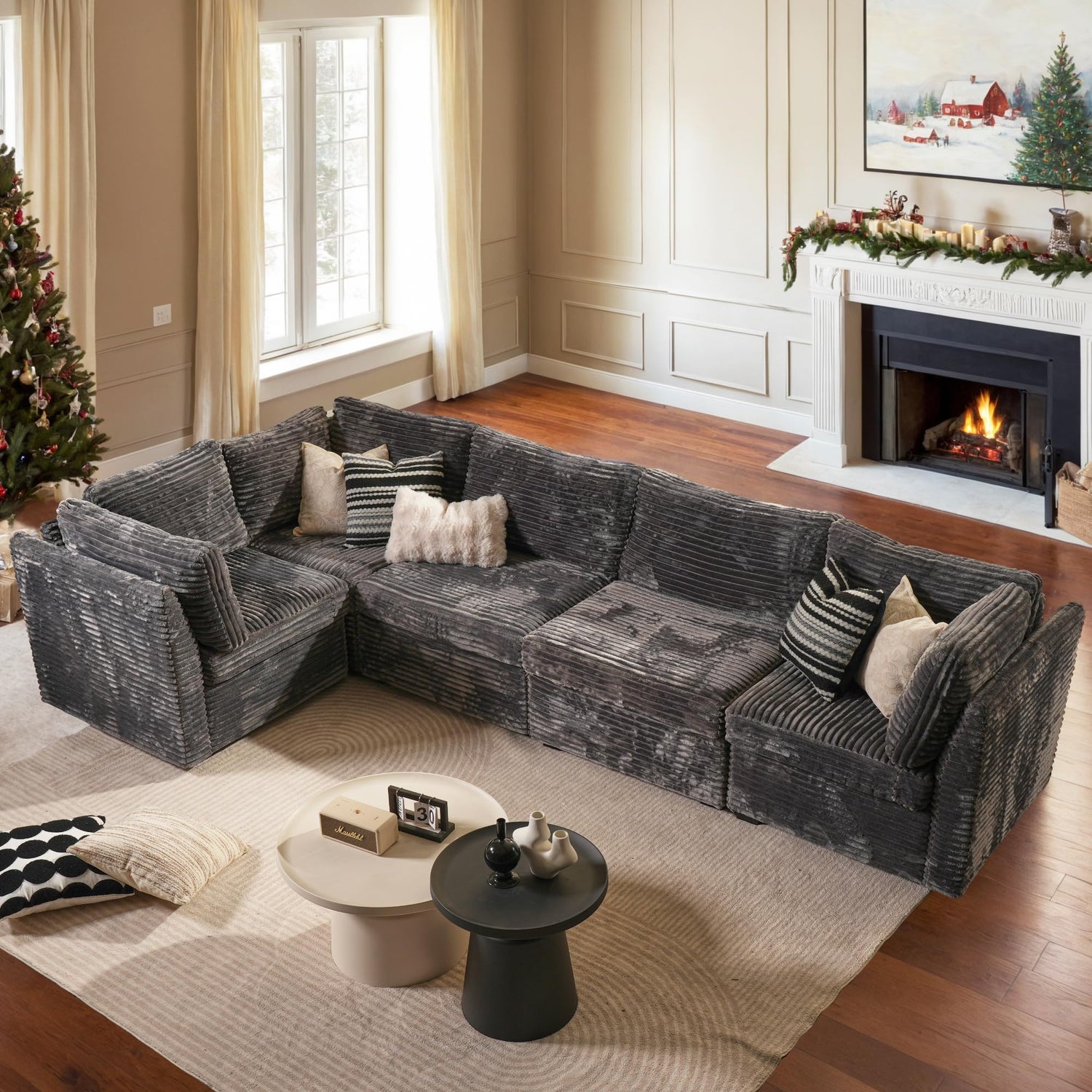
OVIOS 104" L-Shape Modular Couch with Chaise,Cloud Velvet Fabric,No Assembly Required
The Strengths and Downsides of Sofa Beds for Guest Room
Sofa beds combine two pieces of furniture into one. That makes them popular for smaller homes and people who don't host often. The main draw is their multifunctional modular design and the floor space they free up.
Strengths of Sofa Beds
- Seating During the Day, Bed at Night: A sofa bed means you don't need to buy separate seating and sleeping furniture. During the day, it looks and works like a normal sofa. At night, you pull out the hidden mattress for overnight visitors. For apartments, studios, or homes where space is tight, this combination helps a lot. You get comfortable sleeping alternatives for guests without giving up permanent floor space to a bed.
- Quick Setup for Unexpected Visitors: The convenience is hard to argue with. No digging out an air mattress or moving furniture around. Unfold the mechanism, put on sheets, and the room is ready in a few minutes. This makes sofa beds practical for families who host occasionally but want to be prepared and removes stress from last-minute visits.
- Costs Less, Saves Space: Sofa beds usually cost less than buying a good sofa plus a separate guest bed. For people watching their budget or renting, this price difference matters. The space savings help too, as you're not losing square footage to a bed that sits empty most of the time.
Downsides of Sofa Beds
Doing two jobs means compromises on both.
- Mattresses in sofa beds are thinner and less supportive than real beds. Sitting can feel stiff because cushions sit on top of the folding mechanism underneath.
- Durability is another issue. Opening and closing the bed repeatedly wears down hinges, frames, and mattress material faster than regular furniture. Parts that move a lot simply break down quicker.
- Sofa beds are also heavy and awkward because of all the metal framework and mattress inside. Rearranging the room or moving to a new place becomes more difficult.
- Plus, unfolding the bed requires clear floor space in front—something cramped guest rooms might not have.
Sofa beds work best in tight spaces, for occasional overnight guests, and if you can accept some comfort trade-offs for the convenience.

Modular Sofa vs. Sofa Bed: Which One Fits Your Situation?
The right choice depends on how you actually use the guest room and what matters to you.
Guest Room Mainly for Relaxing
If the room works mostly as a den, reading spot, or casual hangout with rare overnight guests, go with a modular sofa. You get better sitting comfort and can arrange the layout however you want.
Small Space with Occasional Guests
Pick a sofa bed for compact guest rooms or apartments. You get sleeping and seating without needing extra square footage or buying two separate things. The all-in-one design makes the most of tight spaces.
Guests Stay Often
If visitors come regularly and sleep quality matters, you might need something different. A real bed plus a regular sofa, or a high-end sofa bed, offers better rest. Cheap sofa bed mechanisms break down quickly with heavy use.
Long-Term Durability
Modular sofas typically outlast sofa beds and adapt better as things change. Moving, repurposing the room, or updating your style all work better with pieces you can reconfigure.
Tight Budget and Need Versatility
Sofa beds give you the most practical option if money is limited and space is at a premium. Just know the comfort and durability won't match purpose-built furniture.
Modular Sofa or Sofa Bed? Choose the Right One That Fits Your Guest Room
Your guest room should work for you, not the other way around. Modular sofas deliver flexibility and comfort for spaces used daily. Sofa beds save space and handle occasional overnight visitors on a budget. Measure your room. Count how often guests stay over. Pick what matters most: seating comfort, sleep quality, or maximizing space. The right choice supports how you actually live.
FAQs: Modular Sofa vs. Sofa Bed
Q1: Are modular sofas suitable for small guest rooms or apartments?
Modular sofas will work in a smaller space if you plan well in advance. Measure your room first and pick compact modules instead of oversized pieces. L-shaped or two-seater sofas will work much better than a bigger sectional because you will be able to begin with fewer modules and purchase more if you move somewhere bigger in the future.
Q2: Do sofa beds have maintenance or longevity issues compared to standard sofas?
Yes, a sofa bed requires more maintenance and has a shorter lifespan than a traditional sofa. The folding mechanism is strained each time you open and close it, which leads to squeaking hinges, sagging frames, or torn mattress fabric. The mattress tends to lose its loft faster than a traditional mattress too. To make the sofa bed last longer, look for the strongest metal and the best mattress possible, and refrain from folding the bed too many times.
Q3: Can modular sofas and sofa beds be combined to get the best of both worlds?
Yes, there are some modular sofas that come with convertible sleeper modules that turn into beds. You can buy a modular configuration with one or two regular seating sections plus a pull-out or fold-down sleeping module. The advantage of this combination design is that you will be able to enjoy the advantages of a modular design while still allowing for the functionality of sleeping when needed. The costs associated with this design are higher than those of a basic sofa bed, but it offers enhanced comfort and functionality for both seating and sleeping.


Leave a comment
This site is protected by hCaptcha and the hCaptcha Privacy Policy and Terms of Service apply.