



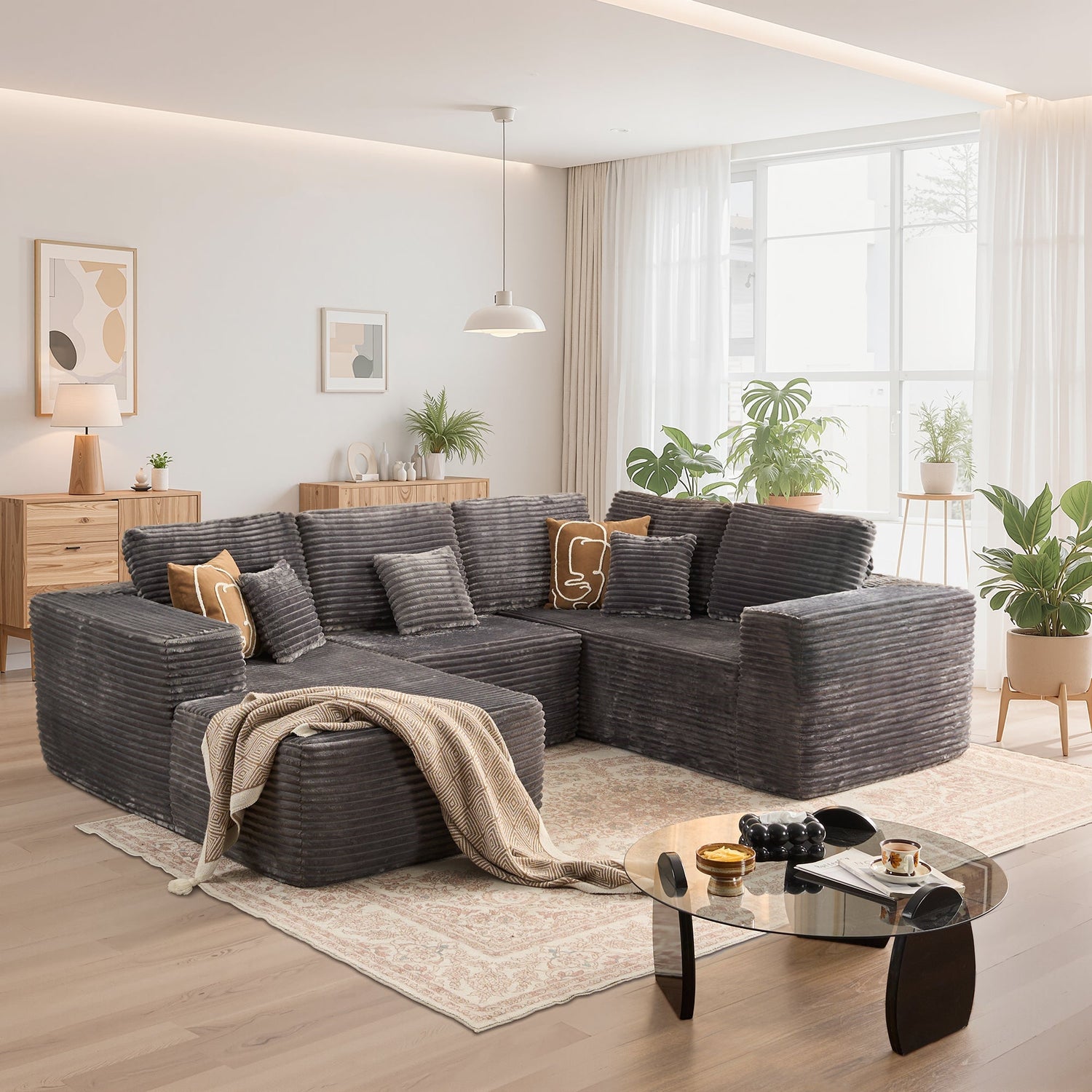
Furniture waste has long been a concern in modern homes. Every year, millions of sofas end up in landfills because of sagging cushions, weakening frames, and changing size and design preferences. The traditional sofas that people commonly purchase in their homes feature an all-or-nothing design and construction: if a piece is broken, the entire thing will be discarded. Modular sofas provide the smarter choice in the marketplace because of their flexible design, replaceable parts, and adaptable setup.

Why Modular Sofas Reduce Furniture Waste
Modular sofas tackle waste from several angles. Unlike regular pieces that become useless after one part fails, these designs allow you to replace, reconfigure, and reuse components as your needs shift.
Replace Individual Parts Instead of Tossing Everything
Regular sofas force you into an all-or-nothing situation. A single damaged cushion or worn-out section often means replacing the entire piece.
Modular sofas work differently. You can swap out just the damaged module and keep the rest. This approach helps extend furniture lifespan significantly and pushes back against the throwaway culture that dominates modern living. Instead of throwing away a big piece to the landfill, you buy a replacement part. The rest of your couch is still working fine.
Adjust to Different Living Situations
Life changes constantly. You might move from a large house to a small apartment. Your family might grow. You might redesign your living room layout.
Durable sectional couches with modular sofa design adapt to these shifts without needing a completely new purchase. Add modules as your family grows. Remove pieces if you downsize. Rearrange sections to fit a different floor plan. This flexibility dramatically cuts furniture turnover. Perfectly functional pieces stay in use instead of ending up on the curb.
Streamlined Production and Transportation
Making modular furniture creates less waste than producing custom or fixed designs. Standardized modular components mean factories can use materials more efficiently and reduce scraps during production.
Transportation gets easier, too. Modular pieces break down into smaller, lighter packages that stack easily during shipping. This compact approach cuts carbon emissions from delivery trucks. It also reduces the excessive packaging that often comes with furniture delivery.
Sustainable furniture production gains efficiency at every stage.
Built for Long-Term Use
Many modular designs focus on durability over disposability. Manufacturers often use strong materials and solid construction methods because they know customers plan to keep these pieces for years.
Removable cushion covers make cleaning simple. The ability to replace worn modules means your sofa can look fresh without complete replacement.
Since the sofa grows with your changing needs, there's less temptation to abandon it for the latest style or different size.
Modular sofas fit well with circular economy ideas. They follow a "buy less, but better" approach where you repair, reconfigure, and reuse instead of throwing things away. The benefits of modular sofas for the environment go beyond just your home. Less demand for new furniture means factories use fewer resources, create less waste, and leave a smaller mark on the planet.

OVIOS 104" L-Shape Modular Couch with Chaise, Plush Corduroy Fabric, No Assembly Required
Potential Drawbacks of Modular Sofa You Should Know
Modular sofas are better for the environment, but they aren't always the best choice. Knowing what possible limits there are helps you make good decisions.
Mixed Materials Can Complicate Recycling
Some modular furniture is made up of different kinds of fabric, metal connections, foam cushions, and wood frames. When these types of materials reach the end of their life, they can make recycling harder if makers haven't made them easy to take apart and separate. See if the brand you want to buy from has a take-back program or if they use materials that can be recycled in your area.
Upgradeable Designs Might Encourage Extra Purchases
The "upgradeable" nature of modular designs could push people toward unnecessary purchases if they treat modules like fashion accessories. Frequent style-based replacements (for example, you buy new sections just because you're bored with the color) will cancel out sustainability gains.
Quality Still Matters
Cheaply made modular sofas that fall apart quickly create the same waste problems as regular furniture, just with more pieces scattered across the landfill. Replaceable sofa modules only help the environment if they're built to last long enough that replacing one section actually makes sense.

How to Shop for Sustainable Modular Sofas
Choosing a modular sofa that truly reduces waste requires looking past marketing claims. Focus on practical features that support long-term use and minimize environmental impact.
Look for Easy-to-Repair Designs
Pick sofas with easily detachable modules, removable and washable covers, and visible connections that you can take apart without tools. Clear instructions for disassembly mean you can actually replace parts yourself rather than calling expensive technicians or giving up entirely.
Check the Materials Used
Look for manufacturers who share information about their material sources and production methods. Sustainably harvested wood, recycled metals, natural fabrics, and low-VOC foams indicate real environmental commitment. Some brands now use mushroom-based foam alternatives or recycled ocean plastics in their designs.
Think About Your Future Needs
Consider your life path before buying. Will you likely move in the next few years? Is your family growing? Might you convert a room to a home office? If the answer is "yes", pick modular configurations that can expand, contract, or transform to match these predictable changes. This forward thinking prevents early replacement.
Treat It as a Long-Term Investment
Resist the urge to chase trends. Pick neutral colors and classic shapes that won't feel dated in five years. True sustainability means using your furniture for as long as possible, not constantly swapping modules for aesthetic variety.
Switch to Sustainable Furniture Today
Modular sofas offer a real solution to reduce the disposal of furniture. Their adaptability means you can replace worn sections, fit different spaces, and use them through various life stages instead of sending them to landfills. Choose designs that use eco-friendly materials and have replaceable parts. You'll get environmentally friendly furniture that adapts to your wants.
FAQs About Modular Sofas and Sustainability
Q1: Do modular designs actually create less waste than standard sofas?
Yes, if it is used the right way. The main difference is in replaceability—modular designs let you swap individual sections instead of having to throw away a whole piece. A regular couch with a saggy seat cushion usually ends up in the dump as one large unit. With modular furniture, you can just buy the part that needs to be replaced and keep everything else. This specific replacement cuts down on the amount of waste each home produces.
Q2: What makes modular sofas more eco-friendly during production and shipping?
Standardized manufacturing reduces material waste because factories produce the same modules repeatedly rather than creating unique pieces. This repetition optimizes cutting patterns and minimizes scraps.
Shipping efficiency improves since flat-packed modules stack compactly in trucks, reducing fuel consumption per unit delivered. Smaller package sizes also require less protective packaging material. These combined factors lower the carbon footprint from factory to living room compared to shipping fully assembled regular sofas.
Q3: Are there recycling challenges specific to modular furniture?
Modular sofas have similar end-of-life recycling problems as regular furniture. For proper recycling, mixed materials such as metal, foam, cloth, and wood must be separated. The benefit is that modular pieces that are built well make it easier to take things apart, which could make it easier to separate the materials.
Some manufacturers now use mechanical fasteners instead of glues and clearly label the types of materials so that their products can be easily recycled or disposed of at the end of their life. Asking about disassembly and recycling options before you buy it helps make sure your sustainable choice stays eco-friendly throughout its entire lifecycle.


Leave a comment
This site is protected by hCaptcha and the hCaptcha Privacy Policy and Terms of Service apply.