



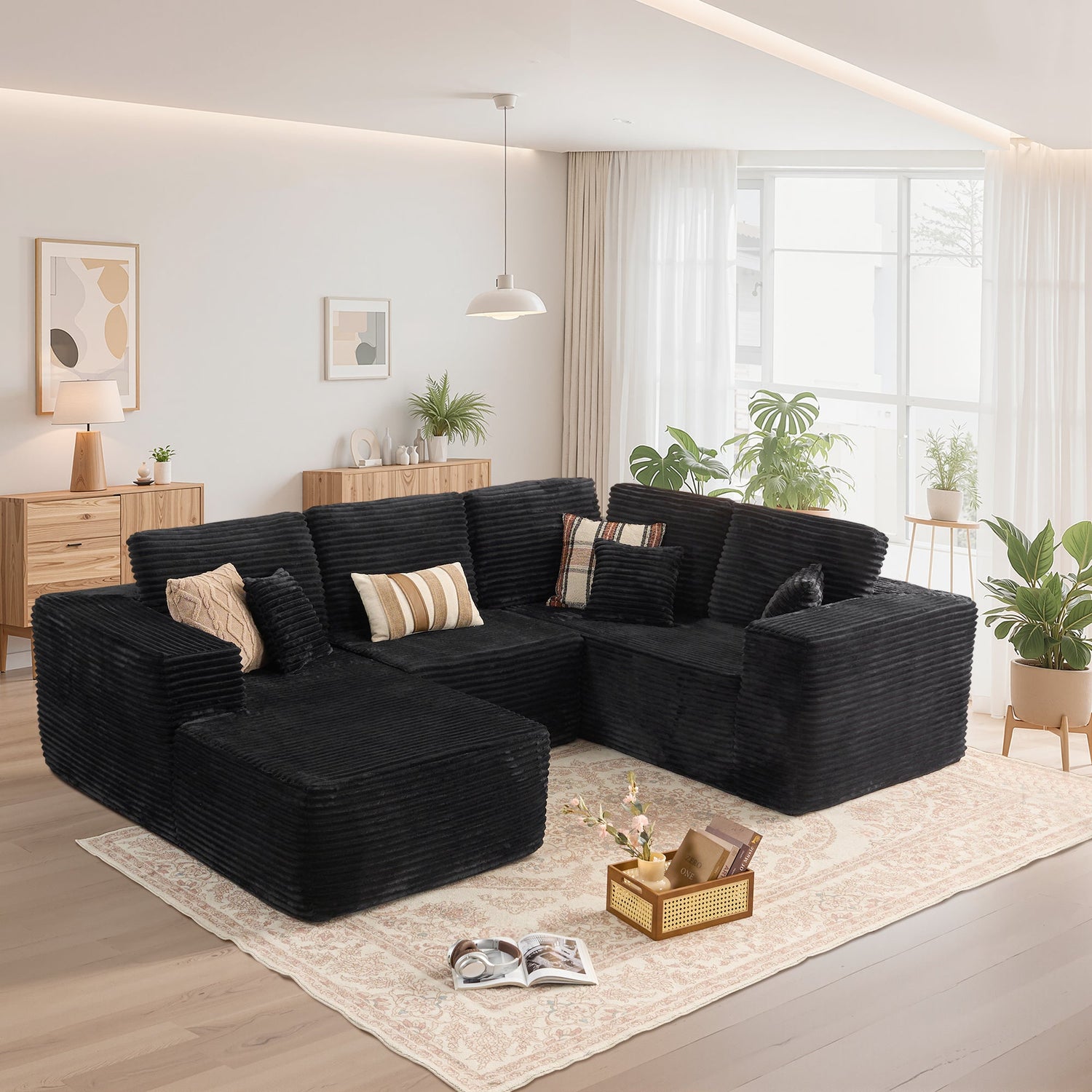
A modern modular sofa is like a clean, adaptable canvas that grounds the space. While its sleek lines feel fresh, surrounding it with storied vintage treasures prevents the room from looking like a sterile showroom. The key is to treat the sofa as a neutral, flexible base while carefully blending color, material, and layout choices to tie older and newer elements together.

Step 1: Decide Who's the Star: Sofa or Vintage Pieces?
The first step in combining a modern modular sofa with vintage decor is deciding which elements take center stage. Choosing a primary focus helps guide the rest of the room's design and ensures nothing clashes.
Modern Sofa as the Main Statement
If the sofa is your focal point, select a design with clean lines and a subtle color. Neutral shades work well, providing a canvas for smaller vintage accents like a wooden side table or a patterned rug. This approach keeps the space feeling open and contemporary while introducing nostalgic touches.
Vintage Pieces as the Hero
If vintage furniture is meant to stand out, the sofa can act as a quiet backdrop. A modern modular sofa in a soft neutral, such as beige or light gray, blends into the room without competing with antique chairs, a retro console, or a richly textured rug. This setup highlights timeless furniture combinations without overwhelming the eye.

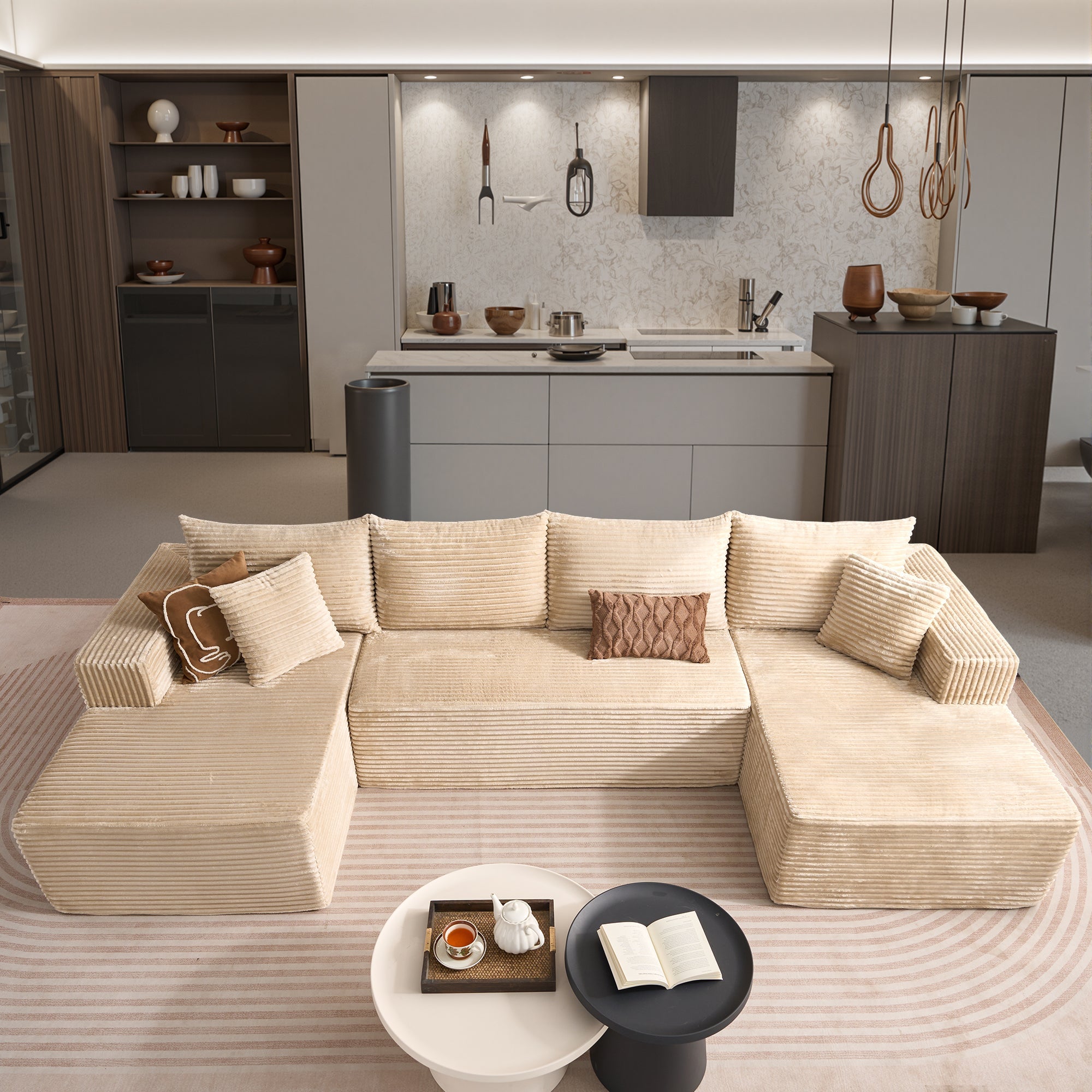
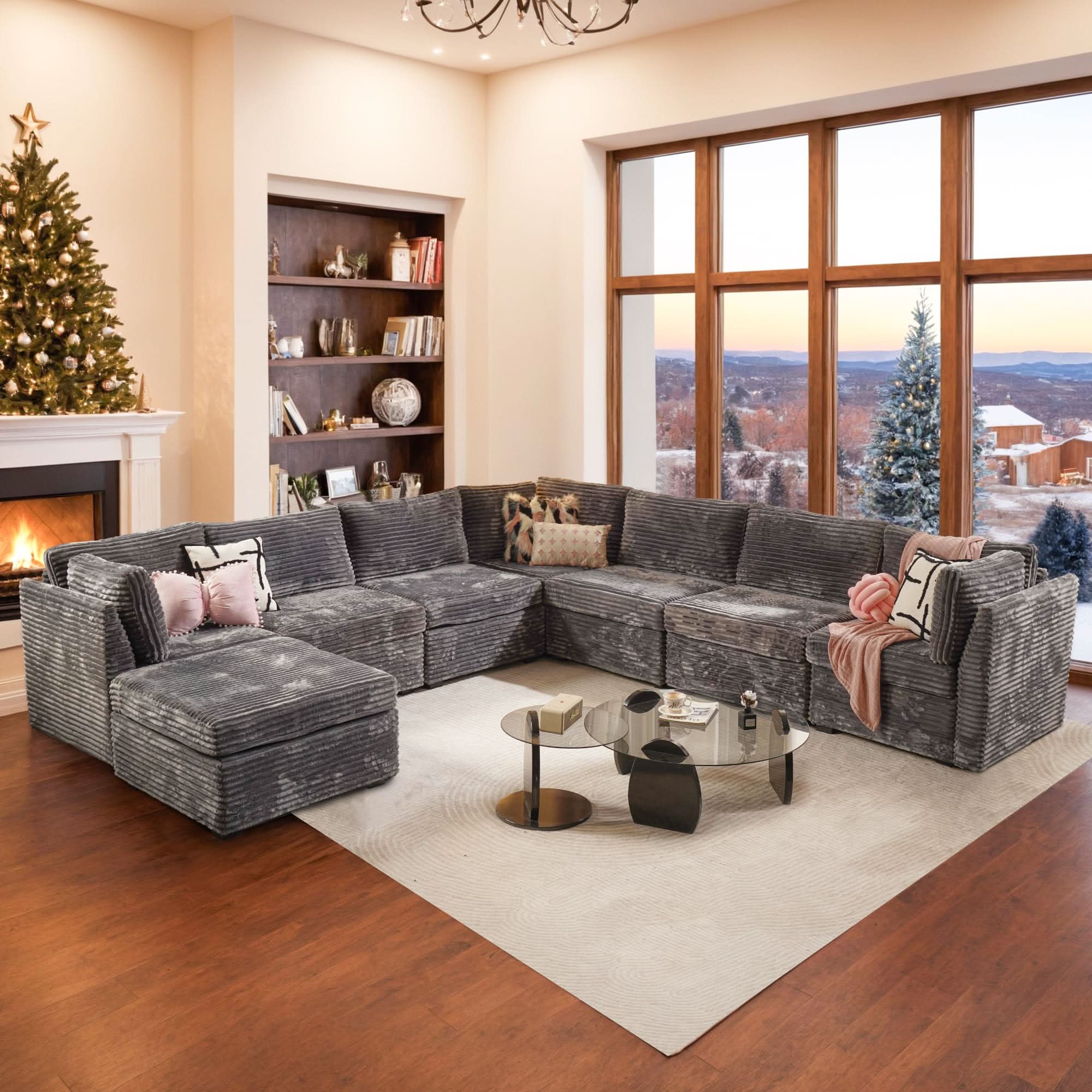
OVIOS 104" L-Shape Modular Couch with Chaise,Cloud Velvet Fabric,No Assembly Required
Step 2: Build a Cohesive Color Palette
Color is an easy way to connect a modern modular sofa with older vintage pieces. Starting with the sofa as the anchor color helps maintain harmony in the room.
Use Neutral Sofa Colors
A beige or gray sofa works especially well. These tones complement warmer vintage woods and fabrics while remaining unobtrusive. Repeating the sofa's color in smaller accents—like pillows, artwork, or ceramics—strengthens the visual link between modern and vintage elements.
Incorporate Accent Colors
Limit your palette to 2–3 main colors and 1–2 accent colors to maintain balance. Use the undertones of vintage wood and leather to select complementary fabrics and metal finishes. A pop of muted green, deep rust, or navy can bring warmth and make the space feel intentional without feeling busy.

Step 3: Balance Materials and Textures
Mixing textures is key to combining sleek modern modular sofas with the rich materials typical of vintage furniture. Using different surfaces thoughtfully keeps the room from feeling flat or cluttered.
Contrast Modern and Vintage Materials
Modern sofas often have smooth upholstery, sleek legs, and simple fabrics. Vintage furniture tends to feature wood, leather, brass, or rattan. Pairing these contrasting materials adds depth and dimension. For example, a soft, minimal sofa can sit alongside a leather armchair or a dark wood coffee table, creating a layered effect.
Repetition Builds Cohesion
To unify the room, echo each material at least twice. A brass lamp and a brass frame, or a rattan chair paired with a rattan basket, establishes a pattern that connects modern and vintage elements. Keep the total number of dominant materials limited to 2–3 to avoid visual chaos.
Step 4: Plan the Layout to Highlight Both Styles
A thoughtful layout allows the modern modular sofa and vintage pieces to complement each other instead of competing.
Use the Sofa as a Zone Maker
Floating a modular sofa in an open-plan living room can help define separate areas, like the living and dining spaces. Place vintage pieces in each zone to maintain a sense of continuity. For instance, a vintage sideboard behind the sofa or an antique coffee table in front creates natural focal points.
Create Vintage "Moments" Around a Modern Base
Group smaller vintage items near the sofa to make them feel intentional. A side table or armchair placed close to the modular sofa creates cozy pockets for reading or conversation. Detaching one or two sofa modules to form a small seating nook next to a vintage chair and lamp adds interest and makes the layout flexible for different uses.
Step 5: Style with Textiles, Lighting, and Art
Textiles, lighting, and art can connect modern and vintage elements and add personality to the room.
Textiles as Bridges Between Styles
Cushions, throws, and rugs can help integrate a modern modular sofa into a vintage-themed room. Mix subtle solids with patterned textiles, like florals, stripes, or kilims, to echo the vintage aesthetic. This technique works well with a beige sofa, giving it warmth and personality without overwhelming the space. It's also a great way to explore eclectic living room design while maintaining balance.
Lighting for Mood and Character
Combine modern ceiling fixtures with vintage-inspired table or floor lamps. Warm lighting softens the lines of a modern sofa while highlighting the textures of older furniture. Even a simple lamp with a brass base can make the sofa and surrounding vintage pieces feel connected.
Art and Wall Decor
Hang contemporary artwork above the modular sofa to maintain its modern identity. Surrounding walls can feature vintage posters, framed prints, or mirrors. Coordinating frame finishes and sizes ensures the collection feels intentional. This layering of old and new makes the space visually rich and inviting.
Step 6: Edit, Balance, and Maintain Harmony
After furniture and decor are in place, step back and evaluate the room. Editing prevents either style from dominating.
Avoid Clutter
Remove extra items that don't enhance the overall design. Negative space around the sofa and vintage pieces keeps the room from feeling crowded and highlights the modular sofa's clean lines.
Rotate Accessories
Periodically change smaller vintage objects, like ceramics, books, or collectibles. This refreshes the space and keeps it feeling alive without needing to rearrange the sofa. Regularly assessing layout and visual balance helps maintain harmony in the room over time.
Balance Modular Comfort with Vintage Soul
A modern modular sofa and vintage decor can coexist beautifully. Treat the sofa as a clean, flexible base and use color, materials, and layout to create links between old and new. Thoughtful textiles, lighting, and small decorative touches keep the space balanced, comfortable, and visually interesting. Blending these styles creates timeless furniture combinations that work for both everyday living and entertaining.
FAQs
Q1: What colors work best for a modern modular sofa if I already own a lot of vintage furniture?
Neutral tones like beige, gray, or soft taupe work best. They create a base that supports vintage pieces and ties together warm wood, leather, or patterned accents.
Q2: How many vintage pieces can I mix in before the room starts to feel cluttered or mismatched?
Limit dominant vintage elements to a few key pieces. Smaller items, like lamps, pillows, and art, can be added gradually without overwhelming the room.
Q3: Can I combine different vintage eras (e.g., mid-century and antique) with one modern modular sofa?
Yes, as long as you keep color, texture, and material balance in mind. Mixing eras can enhance an eclectic living room design while keeping the modern sofa as a unifying base.

Leave a comment
This site is protected by hCaptcha and the hCaptcha Privacy Policy and Terms of Service apply.