



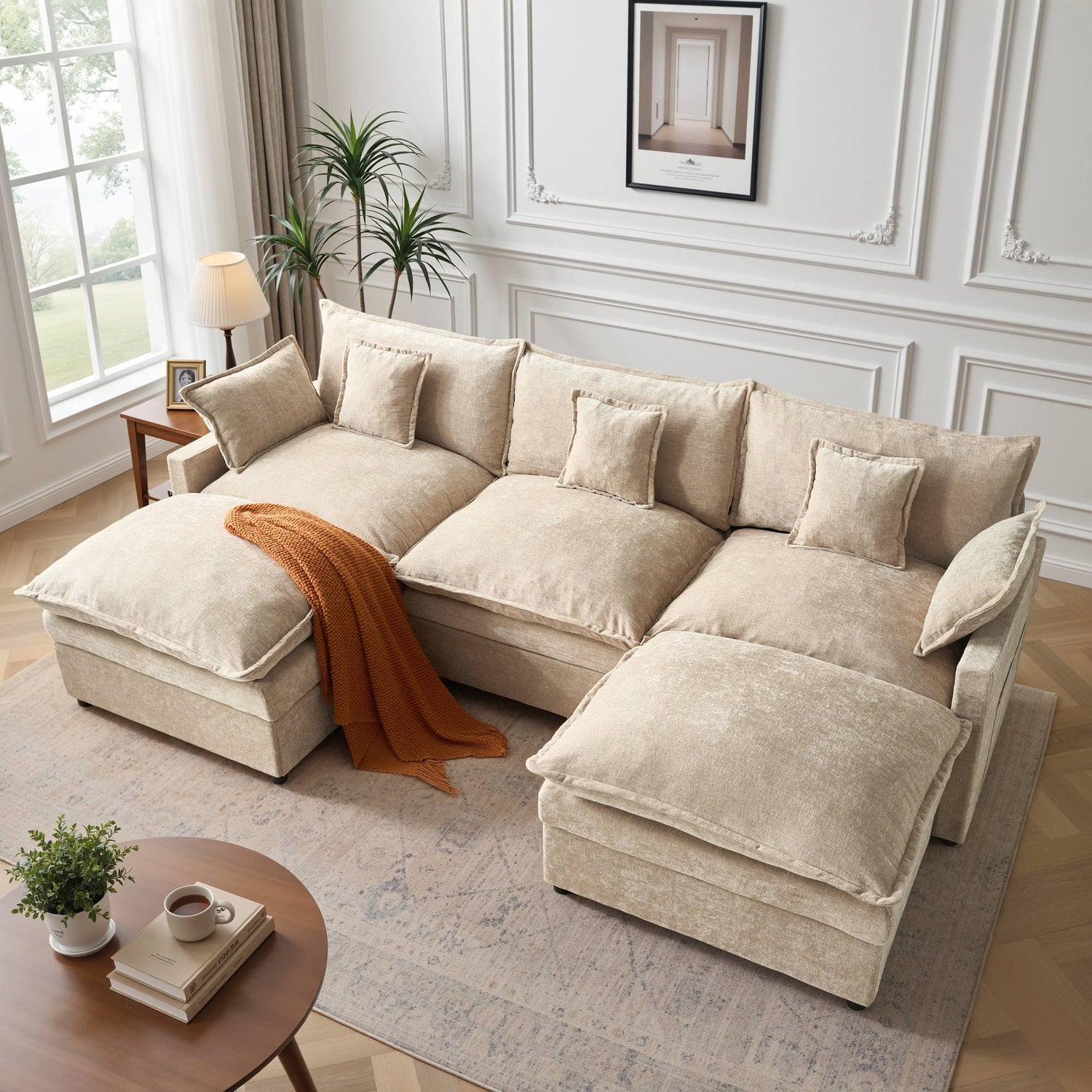
Small living rooms often feel cramped because bulky furniture blocks your view across the space and adds heavy visual weight. A low-profile sofa changes this by lowering the visual horizon line, which makes the room feel more open and spacious than it actually is. We'll explain the design logic behind this effect, what to look for when shopping, and how to style your space for maximum impact.

What Makes a Sofa "Low-Profile"?
A low-profile sofa features a lower back height, lower seat and overall height, and a streamlined silhouette that doesn't rise as tall as traditional couches. The backrest typically stops well below shoulder level, and the entire piece hugs closer to the ground.
This doesn't automatically mean the sofa is small in length or width. A low-profile sofa can still seat three people comfortably—it just sits lower and doesn't tower over the room. It's also not always armless, though many minimalist sofa styling options do feature slim or no arms. And contrary to what some people think, low-profile doesn't always mean firm or uncomfortable. You can find deep cushions and soft seating in a lower frame.
People in apartments, studios, narrow living rooms, and open-plan layouts benefit most from this furniture style. If your square footage feels tight or you want to keep visual flow between different areas, a low-profile living room sofa solves multiple problems at once.
[[related_products_1]]
Why Low-Profile Sofas Create the Illusion of More Space
The design logic behind this furniture choice relies on three key visual design principles that trick your eye into seeing more room.
- First, more visible wall space above the sofa creates the perception of higher ceilings and more openness. Your eye travels up the wall uninterrupted, which makes the entire room feel taller. In small living room furniture arrangements, this extra breathing room makes a noticeable difference.
- Second, cleaner sightlines across the room reduce visual blocking. Tall furniture chops up your view and makes the space feel segmented. A lower sofa lets your eye travel smoothly from one side of the room to the other, which makes the whole area read as one continuous space instead of separate chunks.
- Third, lower visual mass makes the sofa feel less dominant in the room. Your eye doesn't hit a "stop" as quickly, so the room reads as larger before you register where furniture boundaries end.
This effect works especially well when paired with raised legs that show floor underneath, light-colored upholstery that reflects rather than absorbs light, and slim arms that don't add bulk. Each detail compounds the spacious feeling.

How to Choose the Right Low-Profile Sofa for Your Space
Shopping for any sofa requires careful planning, but small living room furniture demands extra attention to measurements and proportions.
Measure Everything First
Start by measuring your room width, the wall length where the sofa will sit, doorways and stairwells it needs to pass through, and walking paths around the furniture. A sofa that looks perfect online can overwhelm a room if you don't verify dimensions first. Leave at least 30 inches for walkways and check that the sofa length doesn't crowd side tables or block pathways.
Pick a Silhouette That Enhances Openness
- Look for slim arms that don't add unnecessary width.
- Choose raised legs instead of a skirted base—seeing the floor underneath makes the piece feel lighter.
- Pick a simple base without heavy decorative details.
- Select a back height that won't interrupt windows or wall art, usually around 30 inches or less from the floor.
Balance Comfort With Visual Lightness
Low-profile doesn't mean sacrificing comfort.
- Consider seat depth based on how you sit—upright seating needs less depth, while lounging needs more.
- Check cushion firmness to match your preference for soft sinking versus firm support.
- Decide if you need back support from structured cushions or if throw pillows work for you.
A deep-seated, low-profile sofa can still deliver serious comfort if these elements align with your habits.
Choose the Right Configuration
- A loveseat works in very tight spaces but may not seat enough people.
- A standard sofa balances seating and footprint for most small living room furniture needs.
- A compact sectional can work in an open concept living room layout if you need more seating, but make sure it doesn't overwhelm your square footage.
- Adding a chaise can provide lounging space, but in small rooms it often takes up too much real estate—skip it unless you have the clearance.
Styling Tricks That Make Your Room Look Even Bigger
Once you have the right sofa, smart styling choices multiply the spacious feeling throughout your entire room.
Position Your Sofa Strategically
Float your sofa slightly off the wall only if you can maintain clear pathways around it. In tight spaces, pushing it against the wall keeps clutter zones minimal and walking paths open. Avoid creating awkward gaps that collect junk or make the room feel messy.
Scale Everything Else Appropriately
Choose smaller side tables that don't compete with the sofa for visual attention. Pick airy coffee tables—glass tops or leggy designs reveal floor space and keep things light. Avoid pairing your low-profile sofa with overly tall or bulky pieces right next to it. The goal is visual harmony across all furniture heights.
Create Visual Continuity
Match or echo tones between your rug, sofa, and walls to reduce hard visual breaks. Sharp color contrasts can make spaces feel smaller by chopping them into distinct sections. Use a larger rug to expand the visual footprint—your furniture should sit on the rug, not float around it.
Light the Room Thoughtfully
Wall sconces or slim floor lamps add light without taking up surface space. Hang curtains higher than the window frame to create vertical lines that draw the eye up. Keep wall art minimal but intentional—one larger piece often works better than a cluttered gallery wall in small rooms.
Best Situations for Low-Profile Sofas
Certain spaces and design styles benefit most from this furniture choice, making it a smart investment rather than just a trend.
- Small or narrow living rooms gain the most obvious advantage. The reduced visual bulk helps tight spaces breathe.
- Open concept living room layout designs need furniture that doesn't create barriers between zones. A low-profile sofa lets you see from the kitchen to the dining area to the living area without interruption.
- Modern or minimalist interiors align naturally with the clean lines and streamlined proportions of low-profile designs. The aesthetic matches the philosophy.
- Spaces with moderate natural light show off the sofa's openness well. Too-dark rooms might need other light sources to maximize the spacious effect.
When Low-Profile Sofas Aren't Your Best Option
This furniture style doesn't solve every living room challenge, so knowing its limitations helps you make a smart choice.
- If you need strong neck and upper-back support for long TV sessions or reading marathons, a higher back or very supportive cushions might serve you better. Low backs don't cradle your whole upper body.
- If your household includes people who struggle with standing and sitting—some seniors, for instance—very low seats can make these movements harder. Check seat height against mobility needs.
- If you have pets or kids, the sofa profile doesn't protect you from wear and damage. Focus on performance upholstery fabrics and solid cushion construction instead of assuming low-profile means delicate. You can find durable options at any height.
Conclusion
A low-profile sofa makes a room look bigger by keeping sightlines open, increasing visible wall space above furniture, and reducing visual weight that crowds a space. You get the best results by pairing it with slim proportions, raised legs that show floor underneath, and a layout that protects walking clearance and visual flow. This simple furniture swap can transform how spacious your home feels without moving a single wall.
FAQs
Q1: What counts as a low-profile sofa?
A sofa with a noticeably lower overall height—especially a lower back—and a streamlined shape that doesn't visually block the room. The exact measurements vary, but most are under 32 inches tall.
Q2: Are low-profile sofas comfortable for everyday use?
They can be, as long as seat depth, cushion firmness, and back support match how you sit. Someone who lounges deeply might need different cushioning than someone who sits upright.
Q3: Is a low-profile sofa best for small living rooms or open-concept spaces?
Both benefit. Small rooms gain from reduced visual bulk, and open-concept spaces gain from clearer sightlines between different zones.
Q4: Should I choose a sofa with legs or a skirted base for a small room?
Sofas with visible legs usually feel lighter because they reveal floor space underneath, which helps the room read as larger overall.
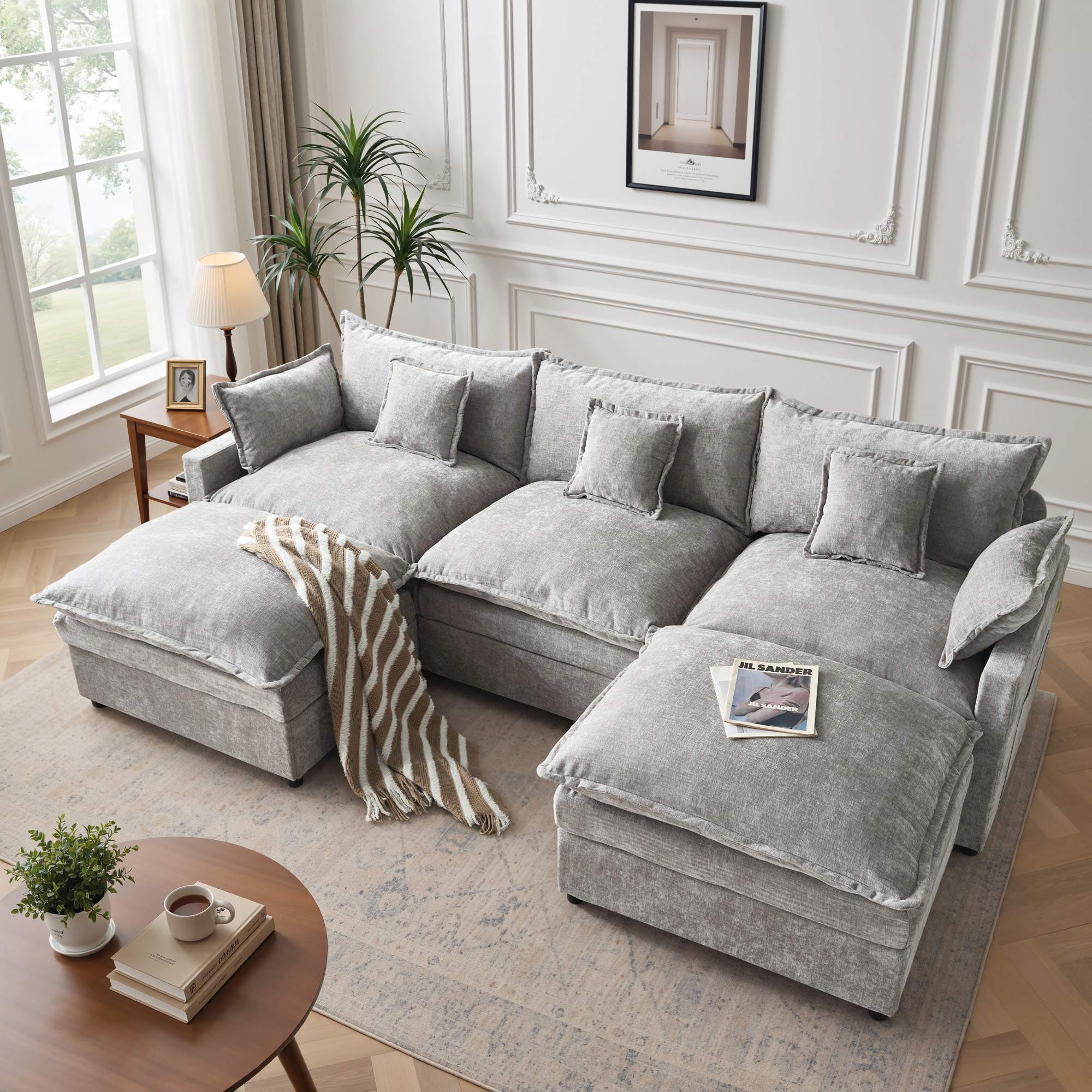
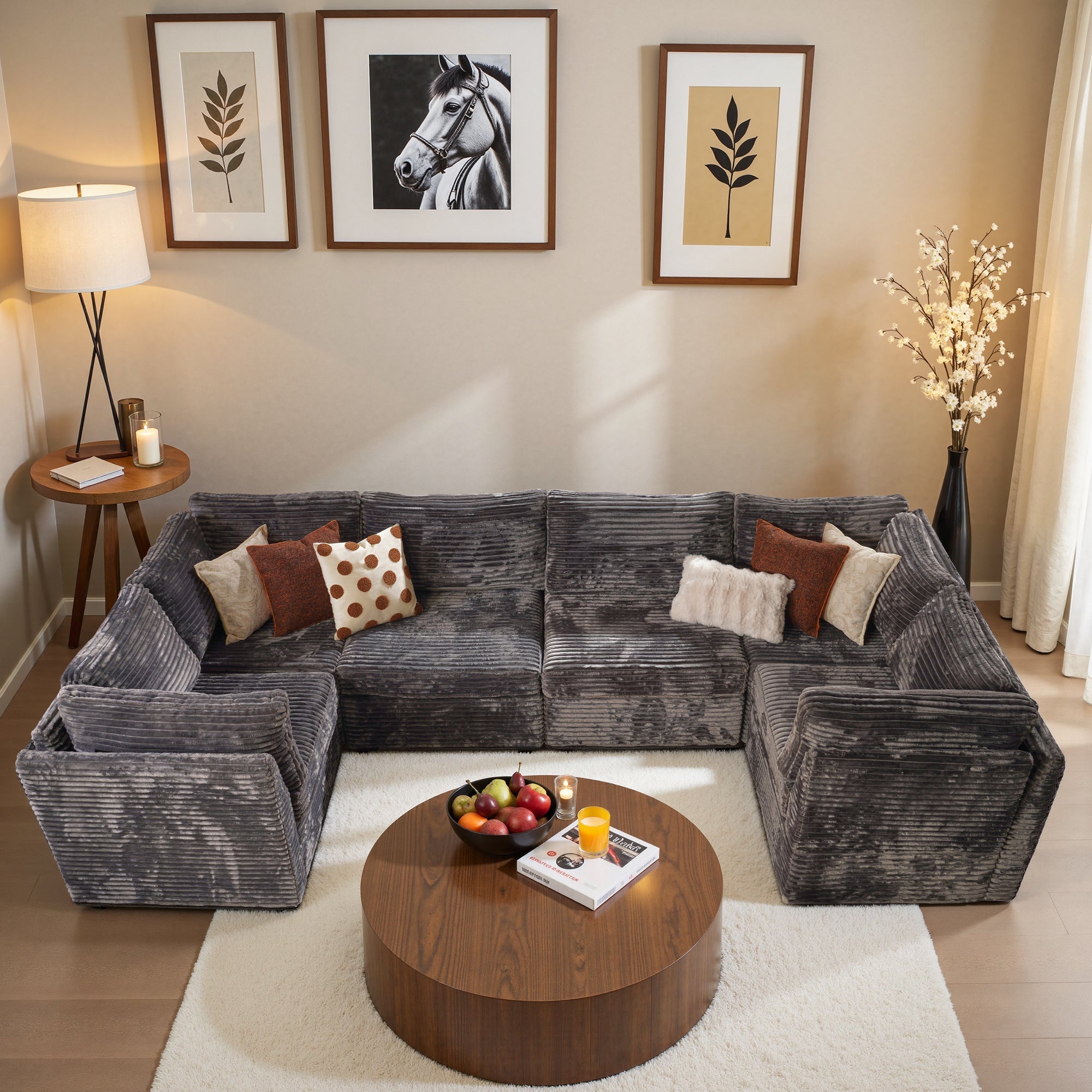

Leave a comment
This site is protected by hCaptcha and the hCaptcha Privacy Policy and Terms of Service apply.