



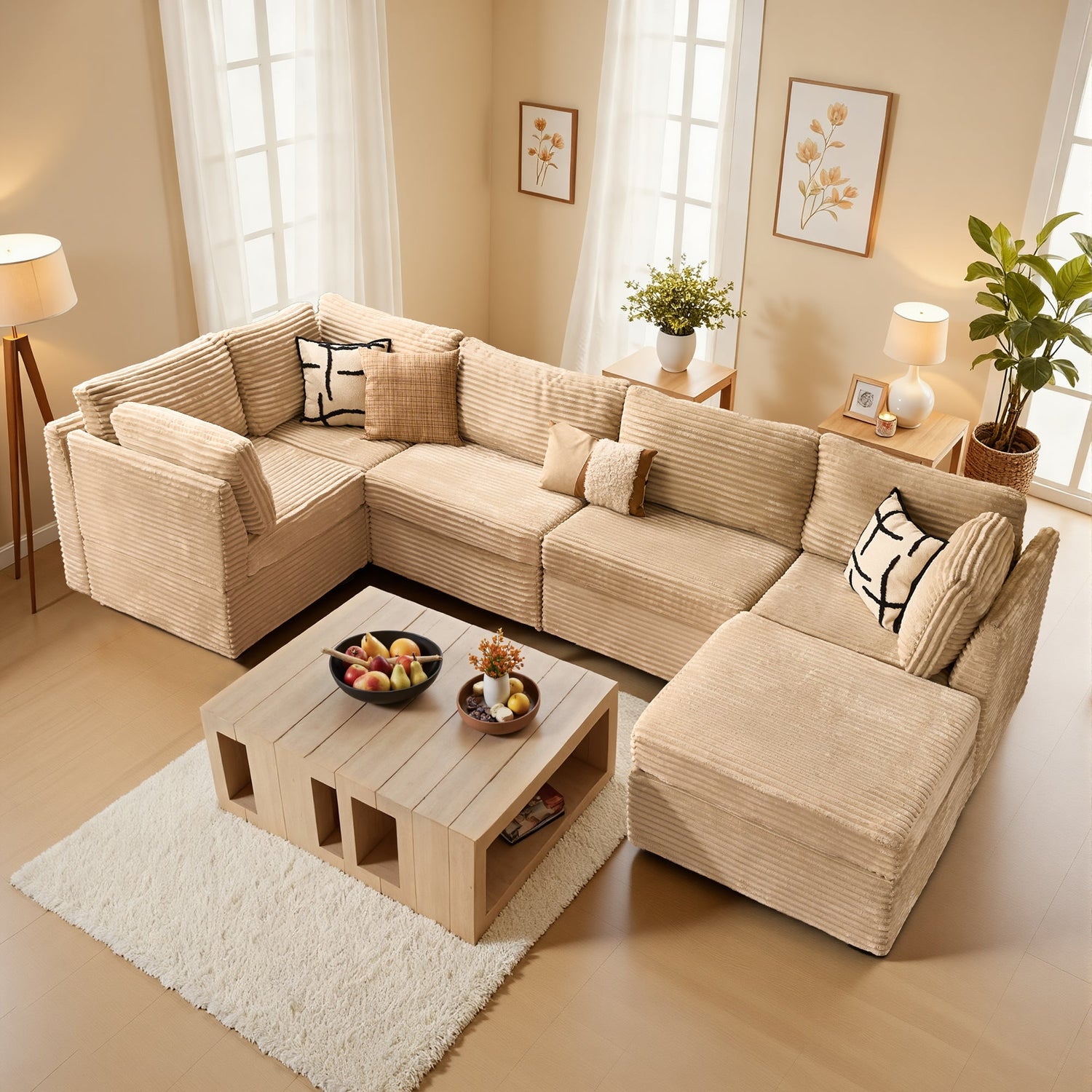
Spills, sticky hands, pet hair, claws, and daily wear destroy pretty fabrics fast in family homes. That gorgeous velvet or linen sofa you loved at the showroom can look trashed within months if you have toddlers tracking mud or cats sharpening their claws.
This guide explains how to choose sofa upholstery that handles real-life abuse, cleans up easily, and still looks modern. If you live with kids, dogs, cats, or all three, these recommendations will save you money and frustration.

What Makes Sofa Fabric Kid- and Pet-Friendly
When choosing, you need to know which qualities actually protect your living room sofa from family chaos.
- Stain resistance tops the list. Spills, food, and mud happen daily in busy homes. Look for materials labeled stain-repellent or performance-grade finishes that let liquids bead up long enough for you to blot them away before they soak in.
- Scratch and snag resistance matters especially for cat owners. Tight, smooth-weave fabrics resist claw pulls better than loose, chunky, or looped textures that unravel easily.
- Durability and abrasion resistance determine how long your sofa survives high traffic. Choose upholstery fabrics built for heavy use. If a manufacturer provides an upholstery double-rub rating (rub count), higher numbers generally signal better wear resistance for daily family life.
- Easy cleaning separates practical materials from nightmare ones. Favor fabrics that tolerate water-based spot cleaning. Sofas with removable, washable covers give you the easiest reset after accidents.
- Hair and lint visibility affect how often you feel compelled to vacuum. Textured, heathered, or subtly patterned materials hide pet hair and crumbs better than flat solid colors.
- Odor management keeps your home fresh. Materials that don't absorb easily—or have odor-resistant treatments—stay cleaner-smelling longer, though quick cleanup still matters.
- Comfort and skin feel can't be ignored. Some highly durable fabrics feel rougher against the skin. Test materials for softness, warmth, and "stickiness" (especially with leather or vinyl) before committing.
- Safety and sensitivity matter if anyone in your household has allergies or chemical sensitivities. Prioritize low-VOC materials and ask about certifications where available.

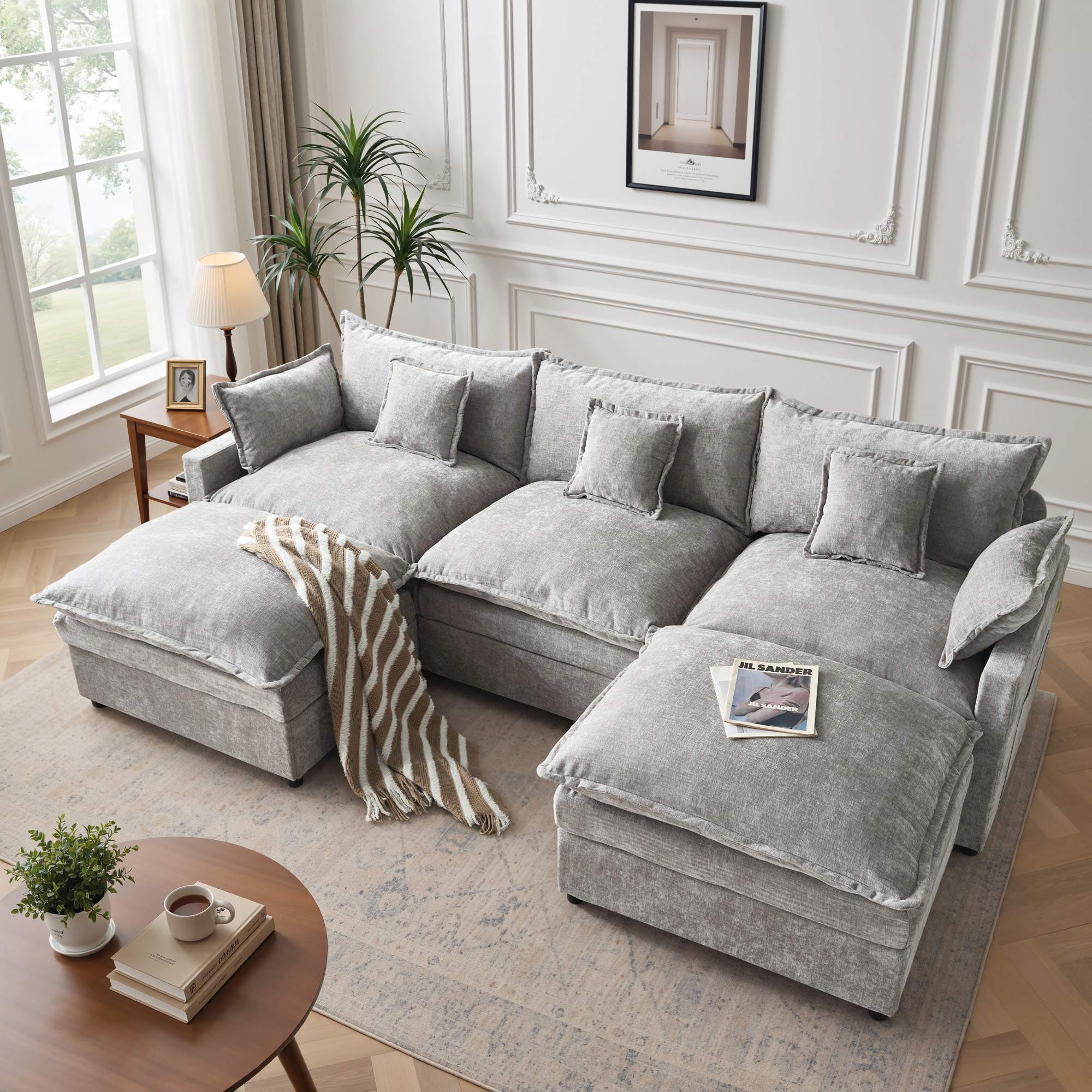
OVIOS 130.7" Modular Sectional Sofa Couch, U-Shaped Minimalist Couches with 2 Oversized Chaise
Best Sofa Materials Ranked by Real-Life Performance
Different materials handle different messes better, so matching fabric to your specific chaos type gives you the best results.
Performance Fabric Sofa (Best Overall for Most Families)
Performance fabrics are treated or engineered specifically to resist stains and moisture. These materials let you wipe down spills quickly without panic, and they generally hold up well to everyday abuse.
A performance fabric sofa works beautifully for mixed households with both kids and pets, frequent entertaining, and situations where you want light or medium colors without constant stress. This category includes the best couch material for dogs in most cases, balancing durability with practical maintenance.
Microfiber and Microsuede (Best Budget-Friendly Option)
Microfiber's tight weave makes it easy to clean couch fabric that handles family life surprisingly well. Pet hair vacuums off easily, and spills tend to bead up rather than soak in immediately. This makes microfiber perfect for dogs, snack-on-the-sofa households, rentals, and high-traffic living rooms where you need serious durability without premium pricing.
The main drawback is that static can attract hair between cleanings, and some finishes show "brushing marks" where you touch or lean repeatedly. Still, for the price and practicality, microfiber delivers.
Leather (Best for Wipeable Messes, Risky for Claws)
Leather wipes clean almost instantly—spilled juice or muddy paw prints disappear with a damp cloth. Pet hair doesn't weave into the surface like fabric, so cleanup takes seconds. Quality leather upholstery also ages well, developing character rather than looking worn out.
The catch? Cat claws leave visible scratches on most leather types. Some households also dislike the hot-in-summer, cold-in-winter feel, and real leather needs occasional conditioning depending on the type. If you have dogs but no cats and want a premium, easy-wipe surface, leather works great. For cat homes, think twice.
Tightly Woven Fabrics (Great for Preventing Snags)
Tight, smooth weaves resist pulls and pilling better than looser constructions. This quality makes them ideal for cat homes where snagging is a constant concern. These fabrics also suit minimalist styling and look sharp in mid-tone colors.
The limitation? Not all tight weaves include stain-resistant treatments unless specifically marketed as performance fabrics. Check what protective finish, if any, comes standard.

Sofa Materials to Avoid in Family Homes
Knowing what doesn't work saves you from expensive mistakes and buyer's remorse down the road.
- Delicate weaves and looped textures snag easily, especially with cats who love to dig their claws in. Bouclé, chunky knits, and loose basket weaves look beautiful in showrooms but unravel quickly at home.
- Very light, untreated fabrics in high-use spaces invite permanent stains. That pristine white linen might last six months before it looks dingy and spotted beyond repair.
- High-shine materials show every scratch, smudge, and watermark. Glossy vinyls and certain polished leathers magnify imperfections that would disappear on matte surfaces.
Choosing Colors and Textures That Hide Messes
Smart color and texture choices make your sofa look cleaner between deep cleans, reducing your workload significantly.
Most Forgiving Colors
Mid-tones beat both very light and very dark options for hiding everyday mess. Colors that hide stains camouflage crumbs, hair, and small stains better than solid colors. Subtle patterns—like tweeds, small-scale geometrics, mixed yarns—disguise wear and minor spots that would stand out on flat solids.
Light vs Dark Strategy
Consider your pet's hair color first. Light fur shows up dramatically on dark fabric, while dark fur contrasts sharply with light fabric. Also factor in room lighting and how often you actually vacuum. Darker colors hide dirt longer but show dust and light pet hair more clearly.
Texture Advantages
- Tweeds, textured weaves, and mixed-yarn fabrics create visual "noise" that conceals minor imperfections.
- Smooth, flat solids highlight every hair and crumb, making your sofa look messier faster, even if the actual dirt level is the same.
Construction Features That Boost Durability
The fabric is only part of the equation—construction quality determines whether your sofa survives years of family life.
- Removable cushion covers that you can wash give you a huge advantage. Being able to throw covers in the washing machine after a major spill or accident resets your sofa to nearly new condition.
- Higher-density foam in seat cushions resists sagging and maintains support longer. Cheap foam collapses quickly under daily use, making your sofa look and feel tired within a year.
- Sturdy frames with solid joinery reduce wobbles, squeaks, and structural failures. A well-built frame matters as much as durable sofa materials for long-term satisfaction.
- Elevated legs versus a skirted base affects cleaning ease. Visible legs let you vacuum underneath easily, while skirted bases hide mess but make thorough cleaning harder.
Cleaning and Maintenance That Actually Works
Having the right material helps, but your cleaning habits determine how long your sofa stays looking decent.
Simple Weekly Routine
Vacuum once a week to remove pet hair, crumbs, and dust before they grind into fibers. Spot-clean spills immediately—the sooner you blot and treat, the less likely stains are to set permanently.
Product Safety
Always patch test cleaners on a hidden spot first. Follow manufacturer codes on care tags (W for water-based, S for solvent-based, WS for either, X for professional cleaning only). Using the wrong cleaner can damage fabric permanently.
Pet-Specific Habits
Keep washable throws or pet blankets on favorite lounging spots. Trim pet nails regularly to reduce scratching damage. Use a good lint roller or pet hair removal tool between vacuum sessions to maintain a cleaner look.
Quick Decision Guide for Busy Shoppers
If you have five minutes to choose and need a straightforward answer, use this fast framework.
- Want the lowest-stress option? Choose a pet-friendly sofa fabric in a performance material, mid-tone color. This combination forgives the most mistakes.
- Want value plus easy care? Choose microfiber or microsuede. You get solid performance without premium pricing.
- Want wipe-clean luxury? Choose leather, but only if you don't have cats who scratch or if you accept that scratches will add "character."
- Have cats that snag everything? Prioritize tight weaves and completely avoid looped or chunky textures that unravel.
FAQs
Q1: What is the best sofa fabric for pets that shed a lot?
Microfiber and performance fabrics work best because pet hair doesn't embed deeply in the tight weave, making vacuuming quick and effective. Mid-tone colors hide stray hairs between cleaning sessions.
Q2: Is leather actually a good choice for homes with cats and dogs?
Leather works great for dogs—messes wipe clean instantly, and hair doesn't stick. For cats, scratches show clearly on most leather types, so you'll need to accept visible claw marks as part of the aesthetic.
Q3: Are performance fabrics worth the extra cost for families?
Yes, if you have frequent spills or want to avoid constant stress about stains. The stain resistance and easy cleaning save time and extend your sofa's life, making the upfront cost worthwhile.
Q4: What sofa color hides stains and pet hair best?
Mid-tone colors in heathered or textured patterns hide both stains and pet hair better than light or dark solids. Match the tone roughly to your pet's fur color for the least visible shedding.

Leave a comment
This site is protected by hCaptcha and the hCaptcha Privacy Policy and Terms of Service apply.