



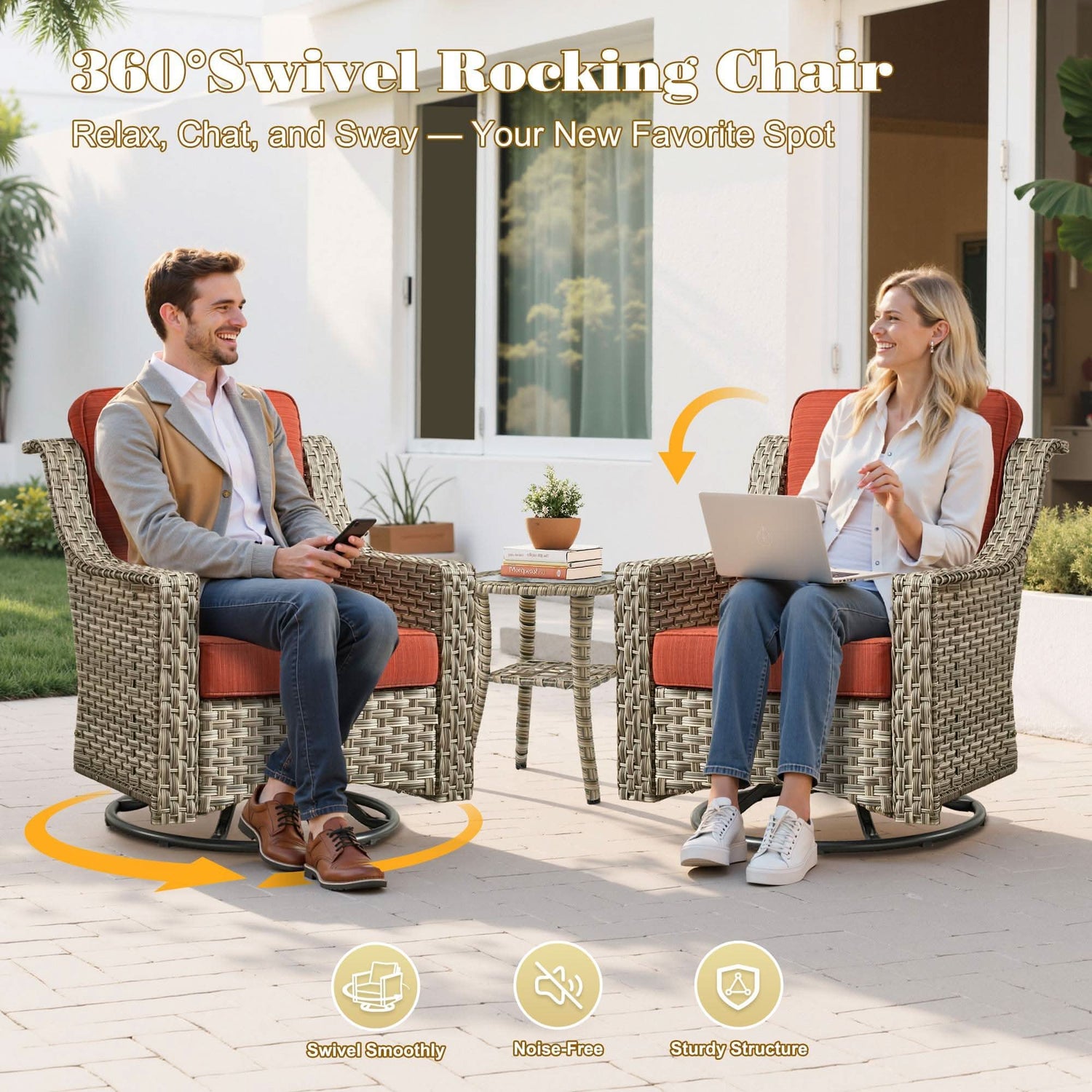
High-back patio chairs deliver noticeably better support for the back, shoulders, and thighs during extended outdoor lounging sessions compared with many low-back designs. This support helps reduce the awkward postures and fatigue that often appear when sitting for long periods in shallow or minimally structured seating. For homeowners who want their patio or deck to feel like a true extension of indoor comfort, understanding how backrest height, seat depth, and armrest design work together is one of the most practical ways to avoid disappointment after purchase.
Many buyers start their search looking for attractive patio furniture but quickly discover that visual appeal does not always translate into hours of relaxed use. Budget sets frequently feature low backs that stop well below the shoulder blades and seats that are too shallow to properly support the thighs. The result is a chair that feels fine for a quick cup of coffee yet becomes tiring when you settle in with a book or conversation for an hour or more. Premium high-back designs address these common shortcomings by extending support higher up the torso while providing deeper seating and wider armrests that let the body settle naturally.
Why Back Height Matters for Outdoor Comfort
A chair that supports the back, legs, and arms helps reduce awkward posture during longer sitting sessions, according to ergonomic guidance from government sources. When the backrest ends too low, the upper back and shoulders lack a stable surface to lean against. Over time this can lead to shifting, slouching, or muscle tension that makes the entire experience less enjoyable.
High-back patio chairs typically rise high enough to cradle the upper back and sometimes the neck area, allowing a more natural reclined posture. This design aligns with the principle that seated posture should keep the low back supported in its natural curve during longer periods of sitting. The extra height does not guarantee perfect posture for every body type, but it gives most adults a broader zone of reliable support than a low-back chair that ends around the mid-back.
The Role of Seat Depth and Thigh Support
Seat depth plays an equally important part in long-session comfort. A comfortable seat should support the thighs while leaving some clearance behind the knees; too-shallow seating can feel cramped. Many inexpensive patio chairs cut corners here to save space or materials, resulting in a seat pan that either presses into the backs of the knees or fails to support the thighs fully.

Deep seating high-back patio furniture tends to offer enough length to let the thighs rest comfortably without sliding forward or losing contact with the backrest. This combination of depth and height creates a stable platform that reduces the need to constantly adjust position. For families or couples who spend weekend afternoons reading, chatting, or entertaining outdoors, the difference between a shallow seat and one that properly supports the hips and thighs often becomes obvious after thirty or forty minutes.
Wide Armrests and Overall Posture
Wide, contoured armrests complete the comfort picture by giving the arms and shoulders a place to rest without forcing the upper body into an unnatural angle. When armrests are too narrow or too low, many people end up hunching forward or tensing their shoulders. High-back designs frequently pair taller backs with generously sized armrests that encourage a relaxed, open posture.
This holistic approach to support is why many outdoor furniture listings emphasize high backs, curved armrests, and deep seating as comfort features. The goal is to create seating that feels closer to an indoor lounge chair than to basic garden furniture. Of course, cushion thickness, material breathability, and the exact angle of the backrest also influence the final experience, but the underlying geometry of height and depth sets the foundation.
Scenario Comparison: When High-Back Chairs Make the Biggest Difference
Comfort preferences vary by how the space will actually be used. The following chart illustrates typical comfort-fit heuristics across common outdoor scenarios. Scores are illustrative only, derived from ergonomic principles around back support, thigh support, and fatigue reduction. They are not measured test results.
Comfort Heuristic: High-Back vs Low-Back Patio Chairs by Scenario
Illustrative comfort scores only; not measured data.
View chart data
| Category | High-back deep-seat chair | Low-back shallow chair |
|---|---|---|
| Long lounging / reading (60+ min) | 5.0 | 2.0 |
| Back-sensitive users | 5.0 | 2.0 |
| Medium session (30-60 min) | 4.0 | 3.0 |
| Short casual use (under 30 min) | 2.0 | 4.0 |
| Small-space / light visual footprint | 2.0 | 5.0 |
Modeled from ergonomic principles and market-fit signals: stronger back/shoulder support, natural spine curve support, and thigh support tend to improve long-session comfort; shorter casual use and space-constrained settings often favor simpler low-back forms. Scores are bounded heuristic ratings (1-5), not measured research data.
The chart highlights that high-back deep-seat chairs tend to excel in longer lounging or reading sessions and for users who notice shoulder or back fatigue quickly. Low-back options can feel perfectly adequate for brief use or when space is limited and a lighter visual footprint is preferred.
Common Myths About Patio Chair Comfort
Several misconceptions can lead buyers to choose the wrong style. One frequent myth is that back height alone determines comfort. In reality, comfort depends on the whole support shape, including seat depth and arm support. A tall back on an otherwise shallow or poorly angled seat can still feel unsatisfying.
Another myth suggests that deeper seats are always better for long sitting. The useful range is the one that supports the thighs while still letting the back settle naturally; excessive depth without proper back contact can actually reduce stability.
Finally, some assume that any chair labeled “best for back support” offers medical-grade benefits. The evidence supports comfort-oriented language only. These chairs are designed for pleasant long-term sitting, not to treat or prevent specific medical conditions. If you experience persistent discomfort or have existing back issues, consult a qualified professional rather than relying on furniture choices alone.
Comfort and Setup Disclaimer
This article discusses ergonomic principles and comfort features of outdoor seating. It does not constitute medical advice, diagnosis, or treatment. Chair comfort is highly individual and depends on body size, posture habits, cushion quality, and specific room conditions. If you have ongoing back pain, posture concerns, or other health conditions, please consult a healthcare provider. The guidance here is intended to help with informed purchasing and setup decisions only.
Buyer Checklist: How to Evaluate High-Back Patio Chairs in Person
Before committing to a purchase, use these practical checkpoints to judge real-world comfort:
- Sit in the chair for at least five minutes in your typical lounging posture. Does the backrest support your upper back and shoulders without forcing you forward?
- Check thigh support: your knees should have a small gap at the front edge of the seat rather than pressing into it or dangling unsupported.
- Test the natural curve of your lower back: the chair should maintain gentle contact rather than leaving a gap or pushing too hard.
- Evaluate armrest height and width: your shoulders should stay relaxed with forearms resting comfortably.
- Consider your actual usage: if you regularly spend an hour or more outdoors reading or relaxing, prioritize deeper seats and higher backs. For occasional short visits, a well-made low-back chair may suffice.
- Measure your space: deeper high-back designs often require more room behind and in front of the chair than compact low-back models.
These self-checks translate abstract ergonomic concepts into concrete actions you can perform at a showroom or while comparing online measurements and reviews.
Materials and Durability Considerations
While geometry drives the comfort difference, material choices determine how long that comfort lasts outdoors. Look for weather-resistant frames, UV-protected cushions, and quick-drying fabrics that resist mold and fading. High-quality construction ensures the supportive shape you choose today will still feel supportive after seasons of sun, rain, and temperature swings.
Many premium sets combine durable wicker or aluminum frames with generously padded cushions that maintain their shape over time. This combination helps the ergonomic benefits of high backs and deep seats remain consistent rather than softening or sagging prematurely.
When to Choose High-Back Patio Chairs
High-back outdoor chairs with supportive geometry are usually the stronger choice when your goal is genuine long-session comfort on the patio, deck, or balcony. They help address the most common complaints about budget seating—shallow feel, insufficient back support, and quick fatigue—by providing a more complete support envelope for the body.
That said, they are not automatically the best option for every situation. In very small spaces, for highly mobile setups, or when sitting times stay short, a well-designed low-back chair can be more practical. The key is matching the chair’s support characteristics to how you actually plan to use your outdoor space.
By focusing on backrest height, seat depth, armrest design, and your personal sitting habits rather than style alone, you can select comfortable patio chairs that truly enhance hours spent outdoors. The result is furniture that invites you to linger rather than prompting you to stand up after a few minutes.
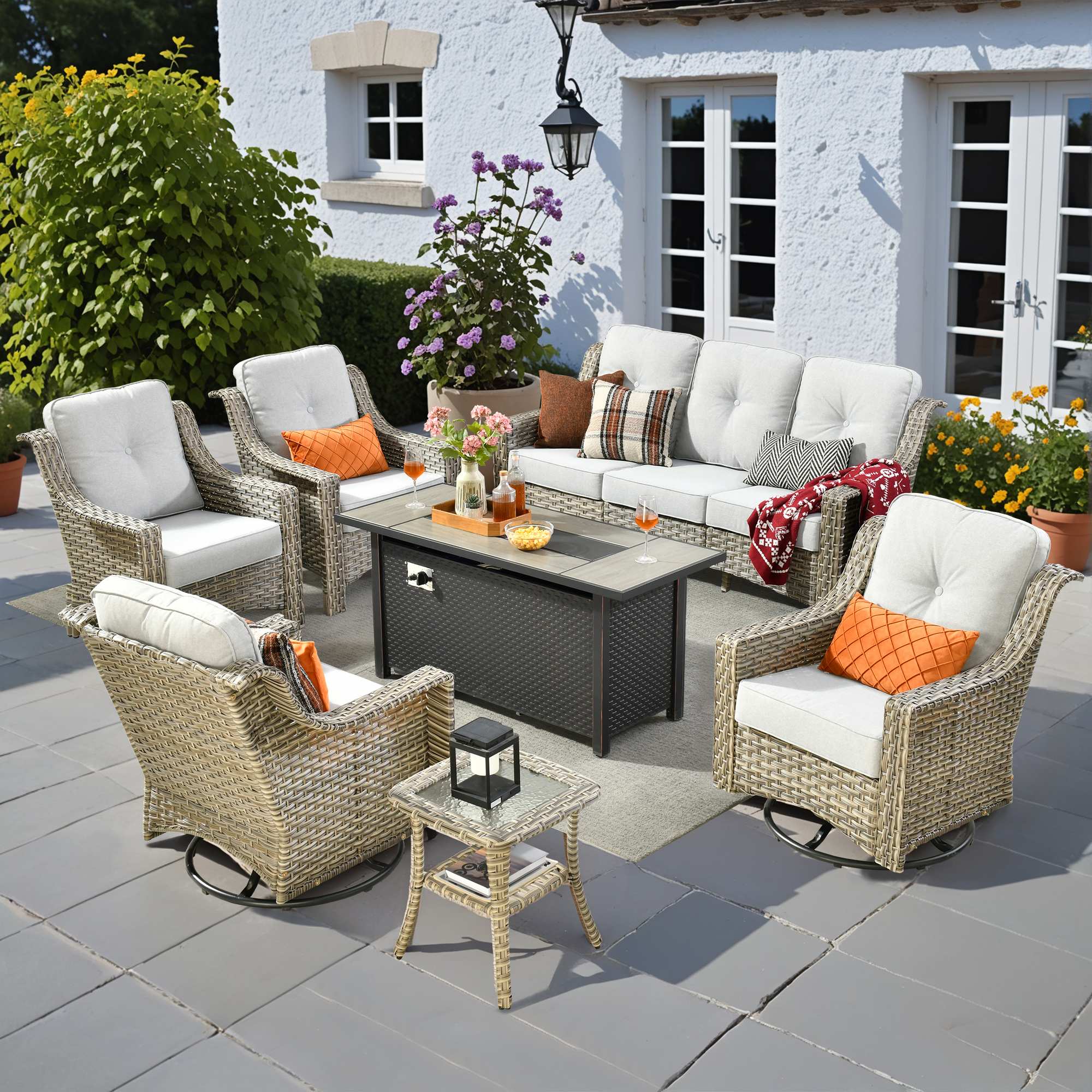
If you are upgrading your outdoor seating and want options that combine high-back support with durable construction, explore collections of patio conversation sets or outdoor chairs that emphasize ergonomic design. For larger gatherings, consider 5-7 seat or 8-10 seat configurations that maintain the same supportive silhouettes across multiple pieces.
Specific high-back models worth evaluating include the OVIOS Patio Furniture Set New Vultros 7-Person High Back Sectional Sofa with Cushions and the OVIOS Patio Chairs New Vultros 3-Piece with Table High Back Square Shape Armrest. These pieces illustrate how deep seating and tall backs translate into practical outdoor comfort.
For more ideas on creating a cohesive and comfortable outdoor living area, read our guide on how to choose the style of patio furniture or learn what are the benefits of investing in a high-quality patio conversation set.

Leave a comment
This site is protected by hCaptcha and the hCaptcha Privacy Policy and Terms of Service apply.