



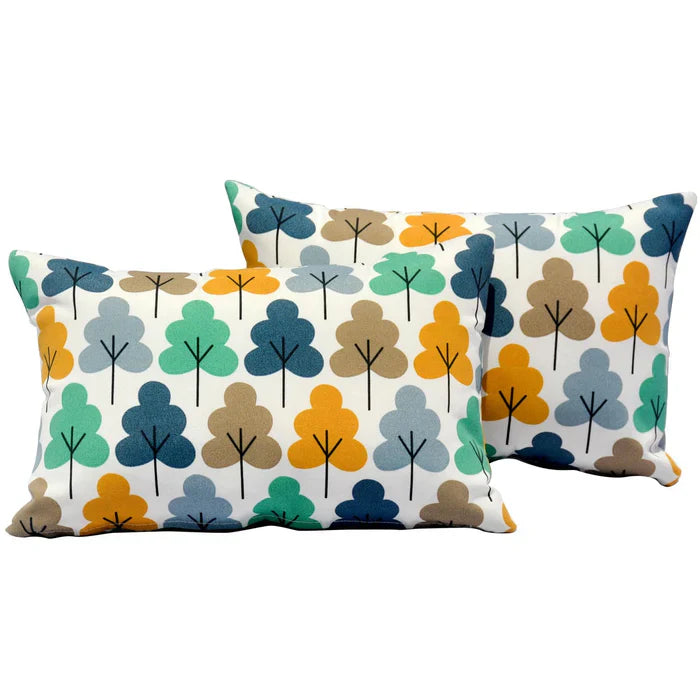
Sliding outdoor cushions can quickly ruin your relaxing time outside. You sit down to enjoy your patio or garden, and the cushion shifts out of place. This becomes frustrating and uncomfortable, especially on smooth furniture surfaces or in windy conditions. The good news is that you don’t have to put up with constantly moving cushions. With a few simple and practical methods, you can keep your outdoor cushions securely in place and enjoy your seating area without nonstop readjustments.

OVIOS 10 Pieces Patio Furniture Set with Fire Pit Table Outdoor Wicker Sofa Loveseat and Swivel Rocking Glider Chairs
Three Easy Ways to Stop Outdoor Cushions from Sliding
There are several effective ways to prevent your outdoor cushions from sliding. Here are some simple solutions you can try.
Method 1: Stick-On Solutions
Hook-and-Loop Tape
Hook-and-loop tape, commonly known as Velcro, is a popular choice for securing cushions. To use this method, cut strips of tape to fit the contact points between your cushion and furniture. Attach the “hook” side to the furniture and the “loop” side to the cushion. For best results, choose weather‑resistant hook-and-loop tape designed for outdoor use.
This method is easy to apply and allows quick removal when you need to clean or store the cushions. Just keep in mind that the adhesive may weaken over time, especially in harsh weather conditions.
Method 2: Tie-Down Techniques
Cushion Ties
Adding fabric ties to your cushions offers both security and style. You can sew four ties to the underside corners of each cushion and attach matching ties or loops to your furniture. Then simply tie the cushion in place. Choose cords or ribbons that complement your outdoor décor for a cohesive look.
Zip Ties
For a no‑sew option, consider using zip ties. Create small holes in the cushion corners and corresponding spots on the furniture, then thread zip ties through and tighten them gently. To prevent damage, reinforce the areas where you make holes with fabric patches. If you’re worried about the look, drape a decorative throw or blanket over the cushion to conceal the zip ties.
Method 3: Friction‑Based Solutions
Non-Slip Mats
Non‑slip rubberized mats provide an immediate fix for sliding cushions. Cut mats slightly smaller than your cushions and place them on the furniture before setting the cushions down. The textured rubber surface creates friction and helps hold cushions in place. For best results, choose mats made from durable, weather‑resistant materials.
Cushion Grippers
Cushion grippers or clips are another effective option. These specialized clips or clamps are designed to keep cushions secure by gripping the edges of your furniture. Attach the grippers and then place your cushions on top; the devices hold them in position. Many models are adjustable and reusable, making them a flexible choice for people who frequently rearrange their outdoor seating.

How to Keep Your Outdoor Cushions in Top Shape
Keeping your outdoor cushions in good condition is just as important as preventing them from sliding.
1. Choose Your Fabrics Wisely
When you’re buying outdoor cushions, look for weather‑resistant fabrics that can handle the elements. Choose materials that are resistant to fading, mildew, and water damage. This means less maintenance for you and cushions that look nicer for longer.
2. Clean Them Regularly
Regular cleaning is essential, but it doesn’t have to be difficult. A quick vacuum now and then removes dust and debris. For bigger messes, use mild soap and water, give the fabric a gentle scrub, rinse thoroughly, and allow cushions to air‑dry completely. If something spills, clean it up quickly — your future self will be grateful.
3. Cover Up When Not in Use
Think of cushion covers as raincoats for your furniture. They protect cushions from sun, rain, and dust when you’re not using them. Look for waterproof yet breathable covers that keep moisture out without trapping dampness and causing mildew. During very bad weather, bring your cushions indoors when possible.
4. Smart Storage
For longer breaks between outdoor lounging sessions, store your cushions somewhere cool and dry, such as a storage box, bench, garage, or shed. Always make sure the cushions are fully dry before storing them to avoid mold or unpleasant odors.
5. Mix and Match Your Securing Methods
Sometimes, combining methods works best. Use both hook‑and‑loop tape and a non‑slip mat for extra security — like wearing both a belt and suspenders. This approach is especially helpful in windy areas where cushions tend to shift more easily.
6. Customize Your Approach
Every outdoor space is different. If you live somewhere windy, you may want to focus on tie‑down methods such as cushion ties, zip ties, or straps. In a humid climate, prioritize strategies that reduce moisture and protect fabrics from mildew. The key is to experiment and find what works best for your specific setup and local weather.

Get Comfy and Enjoy Your Outdoor Space
Now you know how to keep your outdoor cushions both secure and well maintained. Use stick‑on solutions, tie‑down techniques, or friction‑based options to stop cushions from sliding. Clean them regularly, protect them with covers, and store them smartly during bad weather or off‑seasons. Choose the methods that suit your furniture style, local climate, and how you use your ovios outdoor seating. With these tips, you can enjoy a cozy, inviting outdoor area without constantly fixing cushions — it’s time to relax and make the most of your outdoor space.


Leave a comment
This site is protected by hCaptcha and the hCaptcha Privacy Policy and Terms of Service apply.