



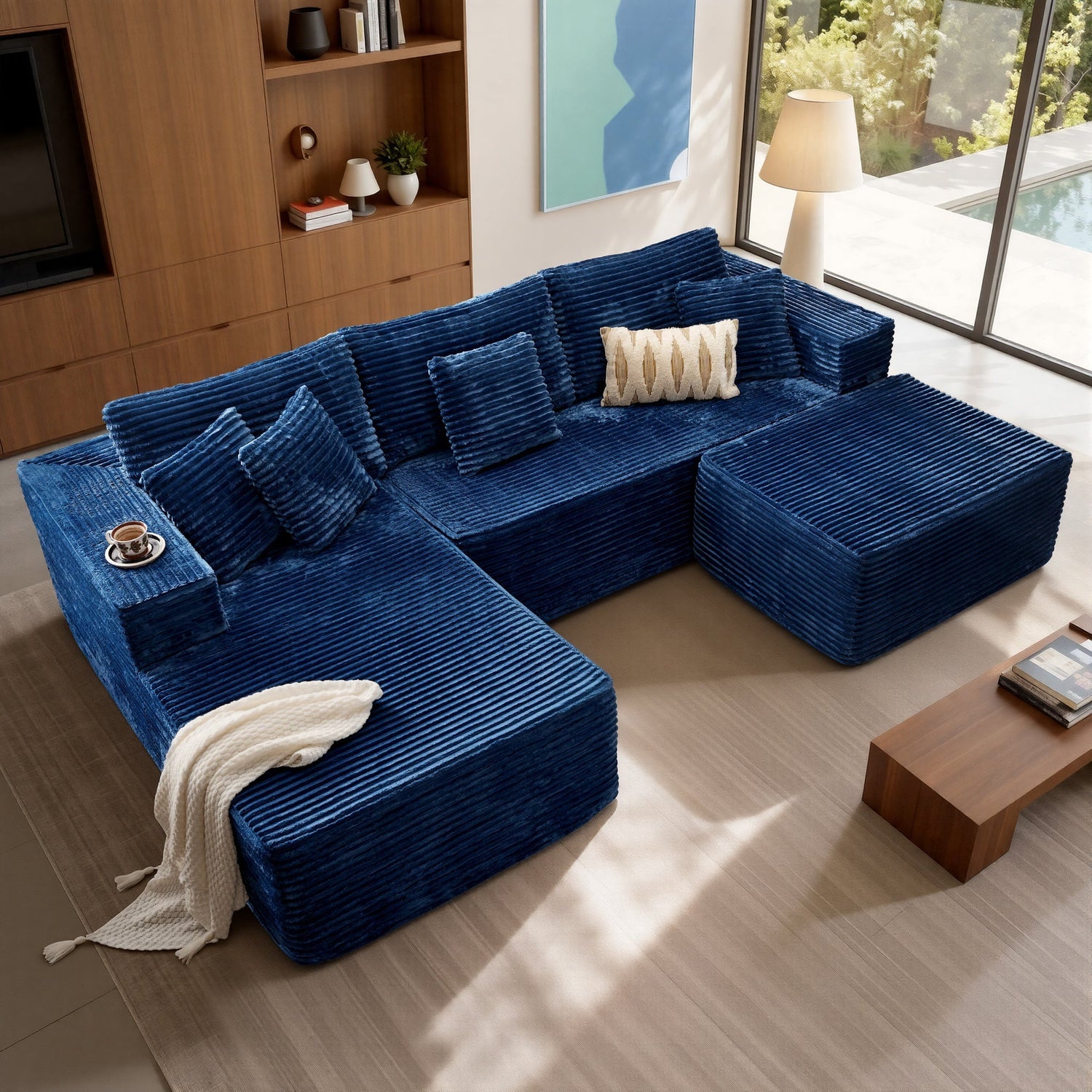
| Sofa Color | Recommended Wall Colors | Visual Effect |
| Grey | Crisp White, Moody Navy, Dusty Pink | Modern, cozy, or soft industrial |
| Beige / Tan Leather | Forest Green, Cream, Terracotta | Luxury, airy, or earthy boho |
| Blue | Warm Sand (with Gold), Grey-Green, Lime | Energetic, natural, or bold contrast |
| Brown / Chocolate | Plum, Teal, Mushroom/Taupe | Rich, fresh, or expensive "cream" look |
| Jewel Tones | Muddy Greige, Matching Color (Drench) | Sophisticated pop or immersive theater |
Your sofa is the anchor of your living room, but the wrong wall color can make even a luxury piece look dull. Getting the color balance right is the difference between a room that looks professionally designed and one that feels like a collection of random furniture. This guide shows you how to pick the perfect backdrop for your furniture. You will learn to pair different sofa shades with expert wall colors to create a balanced, high-end home that feels truly complete.

Why Getting Wall-Sofa Harmony Right Matters
The relationship between your walls and your furniture does more than just look good. It changes how you feel in the space and how you perceive the room's actual size.
It Defines the Room's Atmosphere
Balance sets the psychological tone of your home. A balanced palette creates calm and focus. On the other hand, clashing undertones create a visual tension that makes a room feel chaotic or unfinished. You might find yourself unable to relax in a room where the wall's yellow tint fights with the sofa's pink undertone. When the colors align, the brain processes the space more easily, leading to a more restful environment.
It Maximizes Your Investment
A $5,000 sofa can look cheap against the wrong wall color. For instance, a "yellow" beige sofa placed against a "pink" beige wall often looks dirty or aged. Conversely, the right wall color elevates a budget-friendly sofa. By choosing a wall shade that complements the fabric, you make the furniture look like a custom-chosen piece. This ensures your money is well-spent, as the entire room gains value from the harmony.
It Fixes Spatial Issues
Making a small living room look bigger is often a matter of blurring boundaries. If you use a monochromatic scheme where the sofa and walls are similar in lightness, the eye doesn't stop at the edge of the furniture. This makes the space feel more open. In a large, open-plan space, using high contrast helps create depth and structure, defining the seating area as its own "zone."

Ovios 130.7" Modular Sectional Sofa Couch, L-Shaped Minimalist Couches with Convertible Chaise
Choosing Your Vibe: Contrast, Monochromatic, or Analogous?
You need to choose a visual strategy before you pick up a paintbrush. These three methods offer a simple framework to help you choose a direction that fits your personal style.
High Contrast
This method involves pairing light furniture with dark walls or dark furniture with light walls. High contrast creates drama and makes the living room sofa the undisputed focal point. If you have a beautiful white linen couch, a charcoal or navy wall behind it will make the silhouette of the furniture stand out sharply. This is a great choice if you want your room to feel bold and energetic.
Monochromatic
A monochromatic living room uses different shades of the same color family. For example, a medium grey sofa sits against a light grey wall. This approach creates a sense of space and modernity. It feels very intentional and high-end because it relies on subtle shifts in value rather than loud color changes. However, ensure there is enough contrast in lightness (at least 2-3 shades apart) so the sofa doesn't disappear into the wall. It is particularly effective for a minimalist sofa design where you want the focus to be on clean lines.
Analogous
Analogous colors sit next to each other on the color wheel, such as blue and green. Pairing a navy sofa with a soft sage-green wall creates a sense of harmony and calm. This method feels very natural because these color pairings often appear together in the outdoors. It provides enough interest to keep the room from being boring while maintaining a relaxed, peaceful atmosphere.

Best Wall Colors for Popular Sofa Shades
Finding the best wall and sofa color combinations for a living room success depends on the specific shade of your seating. Here are several tried-and-true pairings that work in almost any home.
For Grey Sofas
- Crisp White or Off-White: This creates a gallery-like, clean modern look. Choose an off-white with just a hint of warmth to keep the grey from feeling too cold and sterile. This is the gold standard for a warm minimalist living room.
- Moody Navy or Charcoal: Deep tones make a light grey sofa pop and feel cozier. The dark background adds a layer of sophistication that light walls can't provide.
- Dusty Pink or Mauve: This softens the industrial feel of grey. It adds warmth without the risk of yellowing the room, making it a great choice for a bedroom-turned-den or a cozy lounge.
For Beige and Tan Leather Sofas
- Emerald or Forest Green: This is the "Ralph Lauren" look. Dark green walls paired with tan leather result in an instant feeling of luxury. The green highlights the orange and brown tones in the leather perfectly.
- Warm Off-White or Cream: This keeps the space airy but cohesive. Be sure to avoid cool, bright whites, as they can make beige fabric look "muddy" or unwashed.
- Terracotta or Rust: These shades enhance the earthy vibe of leather. This combination is perfect for a Southwestern or boho aesthetic, feeling grounded and sun-drenched.
For Blue Sofas
- Mustard or Gold Accents on Neutral Walls: Blue and yellow are complementary colors. Using warm neutral walls (like a light sand) and gold decor makes the blue of the sofa vibrate with energy.
- Soft Grey-Green: This is an analogous scheme that feels like nature—think of the sky meeting the grass. It is incredibly soothing and works well in rooms with lots of natural light.
- Lime or Chartreuse: This is for those who want a high-energy contrast. It feels modern, playful, and very deliberate.
For Brown and Chocolate Sofas
- Plum or Aubergine: This is a sophisticated, deep pairing. It creates a "cocooning" effect that makes a living room feel rich and private. Ensure the room has good lighting (natural or artificial) to prevent this combo from looking gloomy.
- Teal or Duck Egg Blue: Cool blues balance the heavy warmth of brown. This prevents the sofa from feeling too stuffy or dated, giving the room a fresh, updated look.
- Mushroom or Taupe: This creates a "chocolate and cream" palette. It is a monochromatic choice that feels expensive, serene, and very soft.
For Bold Jewel-Tone Sofas
- "Dirty" Neutrals: Avoid stark white here. Use "muddy" beige or greige. These muted backdrops let the jewel tone shine as the star of the show without the harshness of a bright white background.
- Color Drenching: This involves painting the walls the exact same color as the sofa. It creates a seamless, immersive theater experience that is very popular in modern interior design.
Pro Tips to Elevate the Wall-Sofa Color Match Look
After deciding on your main colors, it is time to apply them. You need to apply these colors in the right proportions. These tips will ensure that you do not complicate things.
Balancing the Room (The 60-30-10 Rule)
A common mistake is using too much of one color or equal amounts of three colors. Professional designers often use the 60-30-10 rule:
- 60% Walls: This is your primary color and sets the mood.
- 30% Sofa: This is your secondary color and acts as the anchor.
- 10% Accents: This is the bridge. Use throw pillows, art, or rugs that either contain elements of both the wall and sofa colors, or introduce a third "pop" color to break the monotony and add energy.
Manipulating Space with Visual Tricks
The best wall and sofa color combinations can change how you see the room's dimensions.
- Light Sofa + Dark Walls: This makes the furniture feel sculptural. It slightly shrinks the room, which creates a sense of intimacy and "hug" in a large space.
- Light Sofa + Light Walls: This maximizes available light. It is the most effective way to make a cramped room feel airy and expansive.
Use Texture in Monochromatic Design
If you decide to match the wall color exactly to the sofa (Color Drenching), you must focus on texture. Without varying textures, the room will look flat and boring. Pair a matte-painted wall with a velvet sofa, or a silk rug with a wool throw. Texture in monochromatic design provides the shadows and highlights needed to give the room depth when the colors are identical.
Perfect Your Living Room Sofa Backdrop
Finding the right balance turns a house into a home. Start by checking your sofa's undertone, then pick a strategy like bold contrast or a soft blend. Use the 60-30-10 rule to keep the space organized and polished. A simple coat of paint is the most affordable way to make your furniture look expensive and intentional. With these steps, your room will finally feel like a single, cohesive masterpiece.
FAQs About Wall and Sofa Color Matching
Q1: Should walls be lighter or darker than the sofa?
There is no strict rule, but you should ensure there is a difference in "value" (how light or dark a color is). Unless you are intentionally color-drenching, you want the sofa to have a distinct silhouette. Without value contrast, the sofa can look like a shapeless lump against the wall.
Q2: What is the safest wall color if I'm unsure about undertones?
A warm white or a balanced "greige" (a mix of grey and beige) is the safest bet. These shades bridge the gap between warm and cool tones. They tend to work with almost any fabric and provide a clean, updated look without being too stark.
Q3: Can I match my walls to my sofa color?
Yes. This is called "Color Drenching." It creates a seamless, immersive look that feels very high-end. Just make sure to mix your textures, like wood, metal, and different fabrics, so the room has depth and doesn't feel like a flat box.
Q4: How do I match a patterned sofa?
For a subtle look, find the background color of the pattern and use that for the walls. If you want a bolder look, pick one of the small "accent" colors found in the pattern. Painting the walls in a minor shade will make the pattern on the sofa really pop.


Leave a comment
This site is protected by hCaptcha and the hCaptcha Privacy Policy and Terms of Service apply.