



The traditional couch with its heavy wooden frame and metal springs is changing. Many people now prefer a boneless sofa, which offers a soft, low-profile look that fits a relaxed lifestyle. These pieces are often closer to giant cushions or floor mats than classic furniture. Because they lack a rigid skeleton, the materials used for the skin and the core do all the heavy lifting. Choosing the right ones ensures your seat stays supportive and looks good for years.

What a Boneless Sofa's Material Quality Matters
A boneless sofa relies entirely on its internal stuffing and outer textile to hold its shape and provide comfort. Without a wood or metal frame, there is no "hard" support to catch you if the materials fail.
- If the fabric is too thin, it will rip under the pressure of your body weight.
- If the filling is low-quality, the sofa will flatten out within a few months, leaving you sitting on the hard floor.
This makes the choice of foam and fabric the most important part of your purchase. Since these pieces are often used as ergonomic lounge furniture, they need to support your spine while remaining soft enough for a nap.

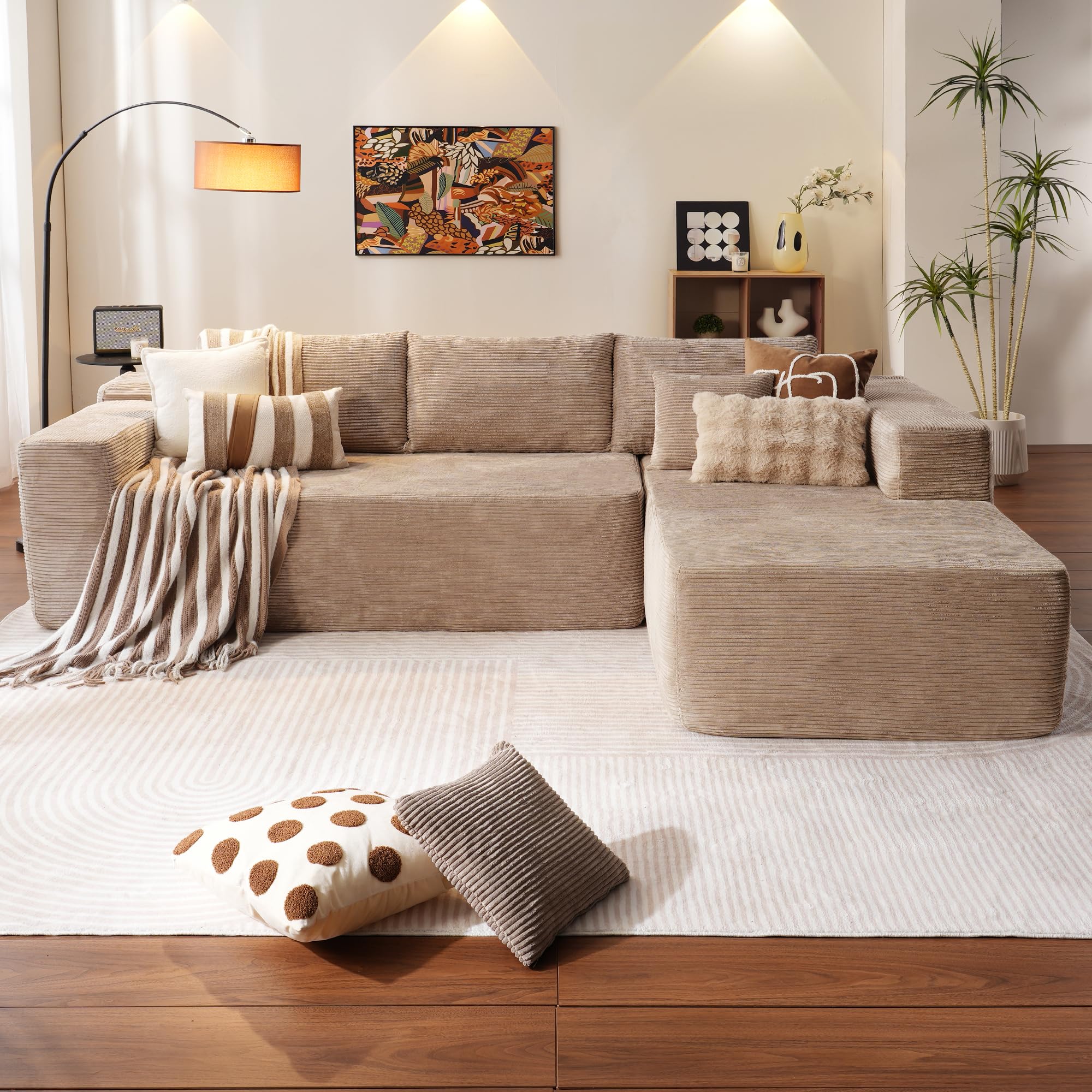
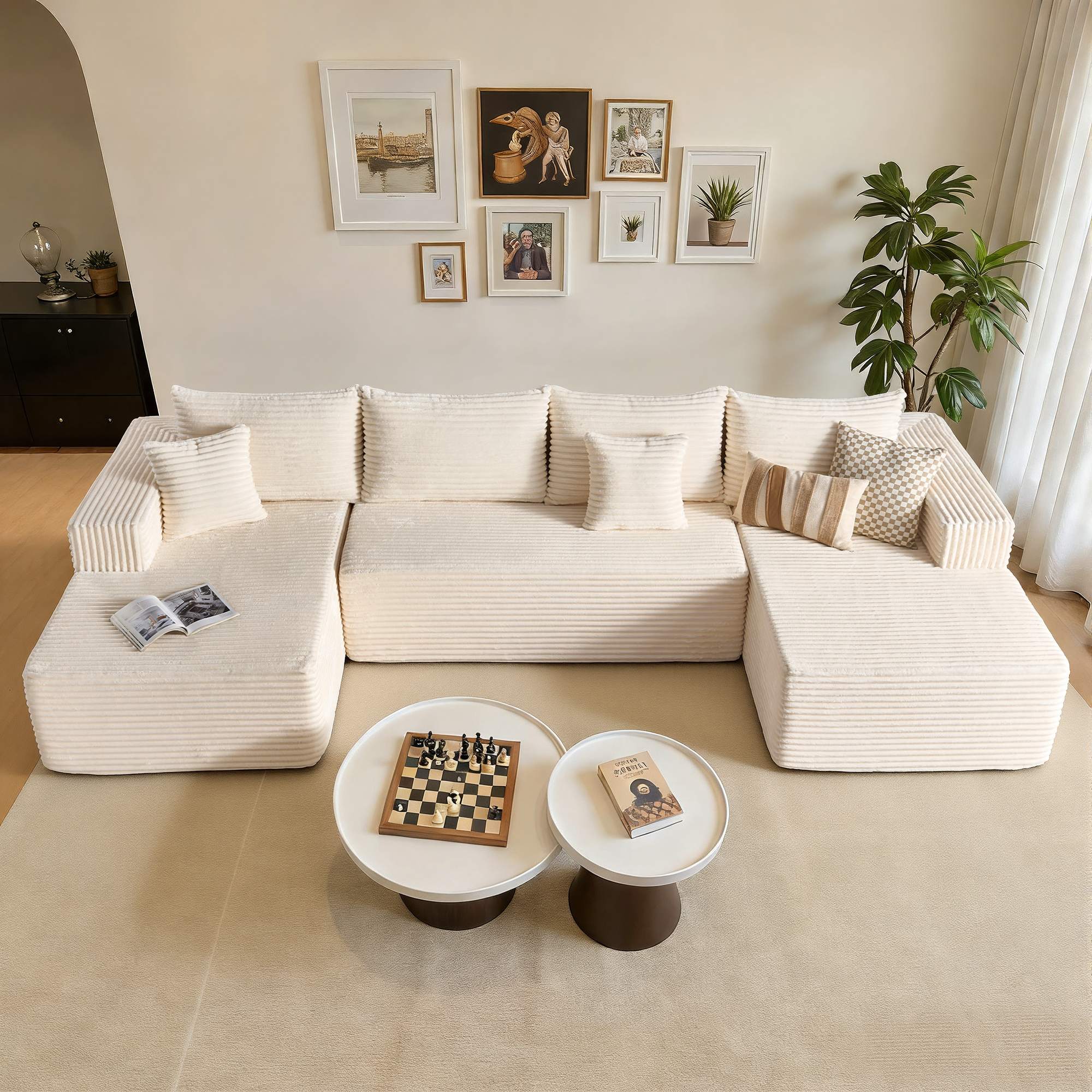
OVIOS 67" Boneless Lounge Chaise with Cloud Plush Sofa Bed, No Assembly Required
How to Evaluate Comfort and Durability in Boneless Sofas
Think about how you'll use the seat before you buy it. A guest room couch has different needs than a primary couch that a family uses eight hours a day.
Comfort Criteria
True comfort goes beyond a soft surface. A quality boneless sofa must provide pressure relief so your hips and shoulders do not ache after an hour. Look for materials that offer "push back" support, making it easy to stand up.
Temperature also matters. Some cheap foams trap body heat, which leads to sweating. Pick breathable sofa fabrics to stay cool during long movie nights or naps.
Durability and Maintenance
Durability means the sofa resists sagging, pilling, and fading. Check the fabric's abrasion rating if available. Practicality is just as important. Since these are often lightweight portable sofa options, they get moved around a lot. Look for removable, machine-washable sofa covers. If the cover isn't removable, you will be stuck spot-cleaning every spill, which can leave permanent rings on certain fabrics.

Outer Fabrics: The First Layer of Comfort and Protection
The fabric is the only part of the sofa your skin actually touches. It needs to feel great, but it also acts as a shield for the foam or beads tucked inside.
Cotton and Linen Blends
These natural fibers are excellent for people with sensitive skin or those living in hot climates. They breathe well and stay cool. However, 100% cotton or linen wrinkles easily and absorbs liquids fast. Look for blends that include a bit of polyester. This mix keeps the soft feel but makes the fabric stronger and more resistant to shrinking in the wash. These are often considered the best fabric for floor sofas in calm, low-traffic homes.
Performance Fabrics
If you have kids or pets, performance fabrics are a smart choice. These are synthetic textiles treated to repel water and stains. They are very hard to rip and easy to wipe down. Many people worry that synthetic means "scratchy," but modern versions can feel as soft as wool or smooth as silk. They are perfect for high-traffic living rooms where spills are common.
Velvet
For a cozy, "sink-in" feeling, velvet is favorites. They provide a lot of visual warmth and a thick, soft texture. While they look expensive, high-quality microfiber velvets are surprisingly tough. The main downside is that they act like magnets for pet hair and dust. You will need to vacuum these surfaces regularly to keep them looking fresh.
Faux Leather and Coated Textiles
Faux leather gives a boneless sofa a more structured, modern look. It is the easiest material to clean, which is usually just a damp cloth will do. The trade-off is breathability. In the summer, your skin might stick to the surface, and in the winter, it can feel cold. It is a great choice for a stylish office or a space where you eat and drink, but it might not be the best for all-day lounging.
| Fabric Type | Comfort Level | Durability | Best For | Maintenance |
| Cotton & Linen Blends | High (Cool & Breathable) | Moderate | Sensitive skin, hot climates | Machine wash (delicate) |
| Performance Fabrics | Moderate to High | Very High | Kids, pets, high-traffic | Easy wipe or machine wash |
| Velvet | Very High (Plush & Soft) | Moderate to High | Cozy lounging, TV rooms | Regular vacuuming |
| Faux Leather | Moderate (Less breathable) | High | Modern style, offices | Simple damp cloth wipe |
Quick Decision Tips
- Choose Cotton/Linen if you prioritize a natural feel and stay in a warm environment.
- Choose Performance Fabrics if you want the most life out of your boneless sofa despite spills and heavy use.
- Choose Velvet if you want a premium, cozy look and don't mind extra vacuuming.
- Choose Faux Leather if you need a waterproof surface that cleans up in seconds.
Inner Fillings: Where True Comfort and Longevity Are Decided
While the fabric looks pretty, the filling determines if you will still like the sofa in two years. This is where most cheap furniture fails by using low-grade stuffing.
High-Density Foam Cores
A high-density foam sofa is the gold standard for boneless furniture. High density does not mean "hard"; it means there is more material and less air in the foam. This prevents the "bottoming out" feeling where you can feel the floor through the cushion. These cores provide the structural integrity needed to keep the sofa looking like a sofa rather than a lumpy bag.
Memory Foam and Soft Top Layers
Memory foam is famous for its "hugging" feel. It molds to your shape and relieves pressure on your joints. On its own, a thick block of memory foam offers poor structural support and can tend to trap body heat. The best designs use a thin layer of memory foam on top of a high-density base. This gives you the soft feel on the surface while the base foam keeps you supported.
Fiber Fill (Down-Alternative)
Fiber fill is essentially polyester fluff. It is very cheap and feels like a cloud at first. However, it is the worst choice for a primary seat. Over time, the fibers tangle and flatten. If your sofa uses only fiber fill, you will find yourself constantly shaking and fluffing it to keep it from looking dead. It is best used for back cushions or decorative armrests rather than the seat itself.
Bead and Granule Fill (EPS Beads)
This is the classic "bean bag" filling. These small plastic beads shift around to match your body shape perfectly. While fun and moldable, they have two big flaws. First, they are noisy. Second, they flatten over time.
Hybrid Fill Systems
The best modern loungers use hybrid systems. They might have a solid foam base for support, a middle layer of shredded foam for airflow, and a top layer of soft fiber for a plush finish. This layering ensures the furniture stays comfortable for long periods and helps answer the common question: does foam furniture lose its shape? With a hybrid system, the answer is usually no, as the different layers support each other.
| Filling Type | Support Level | Durability | Feel & Texture | Best Use Case |
| High-Density Foam | Excellent | Very High | Solid & Consistent | Primary seating, daily use |
| Memory Foam | Good (Cradling) | High | Soft & Contouring | Pressure relief, napping |
| Fiber Fill | Low | Low | Cloud-like & Airy | Back cushions, armrests |
| EPS Beads | Moderate | Low (Flattens) | Moldable & Shifting | Casual lounging, kids' rooms |
| Hybrid Systems | Very High | Very High | Balanced & Plush | Premium living room sofas |
Key Insights for Your Selection
- Prioritize High-Density Foam to prevent the "bottoming out" feeling where you can feel the floor. A high-density foam sofa keeps its structure for years.
- Avoid Fiber Fill as a main seat material. While it is cheap, it will eventually tangle and require constant fluffing to avoid a "dead" look.
- Consider Hybrid Systems if you want to know whether foam furniture lose its shape. These systems use layered materials to spread out the weight and stop sagging.
- Budget for Refills if you choose EPS beads. These small granules lose their air over time and will need a top-up every 12 to 18 months.
Matching Materials to Lifestyle: How to Balance Comfort and Durability
There is no single "best" material for everyone. Your choice should depend on who lives in your house and how you spend your Sunday afternoons.
For Heavy Daily Use
If this is your main TV-watching chair, prioritize a high-density foam sofa with a performance fabric cover. This combination handles the weight of an adult for several hours a day without sagging. Make sure the cover is removable so you can wash away the oils and sweat that naturally build up over time.
For Homes with Pets and Children
Kids jump on furniture, and pets have claws. Avoid bead-filled bags, as a single small tear can result in thousands of plastic beads all over your floor. Stick to solid foam pieces. Choose fabrics with a tight weave, like canvas or performance micro-velvet, which won't snag when a cat runs across it. Darker colors or "heathered" patterns are better at hiding the occasional stain or stray hair.
For Design-Forward Adult Spaces
In low-traffic areas like reading nooks or guest rooms, you have more freedom. You can choose premium textures like velvet or natural linen. Hybrid systems are perfect here, as they offer a plush, high-end feel for light lounging.
For Those with Back Pain
If you have a bad back, avoid ultra-soft, bead-filled loungers. You need a piece that functions as ergonomic lounge furniture. Look for high-density foam that keeps your hips higher than your knees. This makes it easier to get in and out of the seat and prevents the spine from curving into a "C" shape, which causes pain over time.
Practical Buying Checklist: Questions to Ask Before You Commit
Marketing photos can make even the flimsiest foam look sturdy. Before you hit the "buy" button, dig into the product details.
- What is the foam density? Look for numbers. Anything above 1.8 lbs per cubic foot is decent; 2.5 lbs and up is excellent.
- Is there an protective inner liner? A quality boneless sofa has a separate inner bag to hold the filling. This allows you to remove the outer cover for washing without the foam or beads falling out.
- Are there "baffles" or compartments? In large cushions, internal walls (baffles) keep the filling from sliding to one end, which prevents the sofa from becoming lumpy.
- Is the fabric "crock" tested? This tests if the color will rub off onto your clothes or carpet. This is especially important for dark blue or red fabrics.
- Are refills available? If you buy a bead-filled or shredded foam piece, check if the company sells extra filling.
Pick Your Ideal Boneless Sofa
Finding a balance between soft comfort and long-lasting support depends on the quality of the inner core and the strength of the fabric. A boneless sofa is a tool for relaxation, so look past the surface style. Pair a high-density base with a textile that fits your daily habits. Prioritize support first to ensure you are not sitting on the floor a year from now.
FAQs about Boneless Furniture
Q1: What is the most durable fabric for a boneless sofa I use every day?
Synthetic performance fabrics or high-quality microfiber are the most durable. They resist pilling and tearing much better than natural cotton. They also handle regular cleaning without losing their shape or color.
Q2: Are bead-filled or foam-filled sofas better for long-term support?
Foam is significantly better for long-term support. Beads shift and compress, requiring constant maintenance. Foam, especially high-density varieties, maintains a consistent shape and provides better support for your back.
Q3: How can I keep my sofa from sagging over time?
Choose a model with high-density foam. If you already own a sofa that is starting to sag, check if it has a zipper. You can often "refresh" a boneless seat by adding a layer of foam padding or extra shredded foam to the interior.
Q4: Is a super-soft "cloud" sofa bad for my back?
If you plan to sit for hours, a sofa that is too soft can cause lower back strain. Look for a "soft" feel that comes from the top layer of fabric or a thin layer of fiber, while ensuring the core remains firm enough to support your weight.

Leave a comment
This site is protected by hCaptcha and the hCaptcha Privacy Policy and Terms of Service apply.