



Your living room sofa serves as the anchor for the entire space, but what you place around it determines how well the room functions. Getting your living room furniture arrangement right creates a comfortable, welcoming environment where family and guests naturally gather.

Consider These Four Essential Principles Before You Start
- Measure everything before you start rearranging. Grab a tape measure and record the dimensions of your room, all doorways, windows, and every piece of furniture you plan to use. This simple step prevents the frustration of moving heavy pieces multiple times only to find they don't fit properly.
- Think about how people move through your space. Traffic paths need at least 30 to 36 inches of clearance for comfortable passage.
- Identify your room's natural focal point, like a fireplace, large window, or entertainment center. This feature should guide your furniture placement in the living room design.
- Room shape and architectural features also play a role. Columns, built-in shelving, radiators, and doorway locations all affect where furniture can realistically go. Note these elements on your floor plan so you can work with them rather than against them. A quick sketch or free online room planner helps you test different arrangements without breaking a sweat.
Create a Comfortable Conversation Area
The heart of any living room layout with a sofa involves building a space where people can talk comfortably. Position chairs to face or angle toward your sofa, creating an inviting zone that encourages interaction.
Proper Distance Between Seating
Keep seating pieces 8 to 10 feet apart. This distance allows people to chat easily without shouting across the room or sitting uncomfortably close. Any farther apart and the space feels disconnected; any closer and it becomes cramped.
Coffee Table Positioning
Place your coffee table 14 to 18 inches from the sofa edge. This gives you easy reach for drinks and remotes while providing enough legroom. The table length should measure roughly two-thirds of your sofa length for balanced proportions.
Side Tables for Function
Add side tables at arm height next to seating areas. These surfaces hold lamps, drinks, and books right where you need them. End tables don't have to match—mixing styles adds visual interest while maintaining function.
Setting up furniture around a sofa feels natural once you create this conversation zone. The goal is to foster closeness while ensuring the space remains open and accessible.
Adjust Your Layout for Different Room Sizes
Room dimensions significantly influence the most suitable arrangements. Cozy apartments require distinct approaches compared to larger residences, with each size offering its own set of challenges.
Small Living Room Solutions
Compact spaces require careful furniture selection. Choose a streamlined sofa or loveseat instead of bulky sectionals. Place your sofa against the longest wall to maximize floor space in the center of the room. Understanding what the best sofa design for small living rooms is crucial for making the most of limited square footage.
Multi-functional furniture works wonders in tight quarters. Nesting tables tuck away neatly, ottomans provide seating plus storage, and wall-mounted shelves replace floor-standing bookcases. Select pieces with exposed legs—they create visual breathing room that makes small areas feel less crowded. A modular sofa is often the most multifunctional furniture choice, offering adaptability that traditional pieces cannot match.
Large Living Room Strategies
Big rooms need a different approach. Pull your sofa 12 to 24 inches away from the wall instead of pushing everything to the perimeter. This "floating" technique creates a cozier, more intentional seating area.
Consider creating multiple zones in expansive spaces. A main seating area, reading nook, or small workspace can coexist in larger rooms. Use area rugs to define each zone while maintaining visual flow throughout the space. For instance, you can learn how to create a perfect reading corner with your living room sofa to make a large room feel cozier.
Long and Narrow Room Fixes
Rectangular rooms often feel like hallways if you're not strategic. Position your sofa perpendicular to the long walls rather than parallel with them. This breaks up the tunnel effect and makes proportions feel more balanced.
Add a console table behind a floating sofa to create a defined pathway and useful surface space. This also prevents the "bowling alley" look that plagues many narrow living rooms.
Add Supporting Furniture Pieces
In addition to your main seating, other elements enhance the space and increase its usability. Every addition must have a clear purpose, contributing positively to the overall design.
Media and Entertainment
Media consoles typically stand 24 to 30 inches tall, putting screens at comfortable eye level. Position your TV so the center hits at seated eye level, with viewing distance between 1.5 to 2.5 times the screen's diagonal measurement. Balance entertainment needs with conversation space, as not every room needs to prioritize TV viewing.
Storage Options
Bookcases and cabinets provide necessary storage while filling empty walls. Tall units in corners draw the eye upward, making ceilings feel higher. Low storage pieces maintain open sightlines across the room. Storage ottomans serve double duty as both coffee tables and hidden storage.
Accent Seating
Additional chairs bring personality and extra seating capacity. Mix different styles and textures that complement your sofa without matching it exactly. A patterned chair adds energy to a solid sofa, while leather introduces rich texture next to fabric upholstery.
Versatile Ottomans
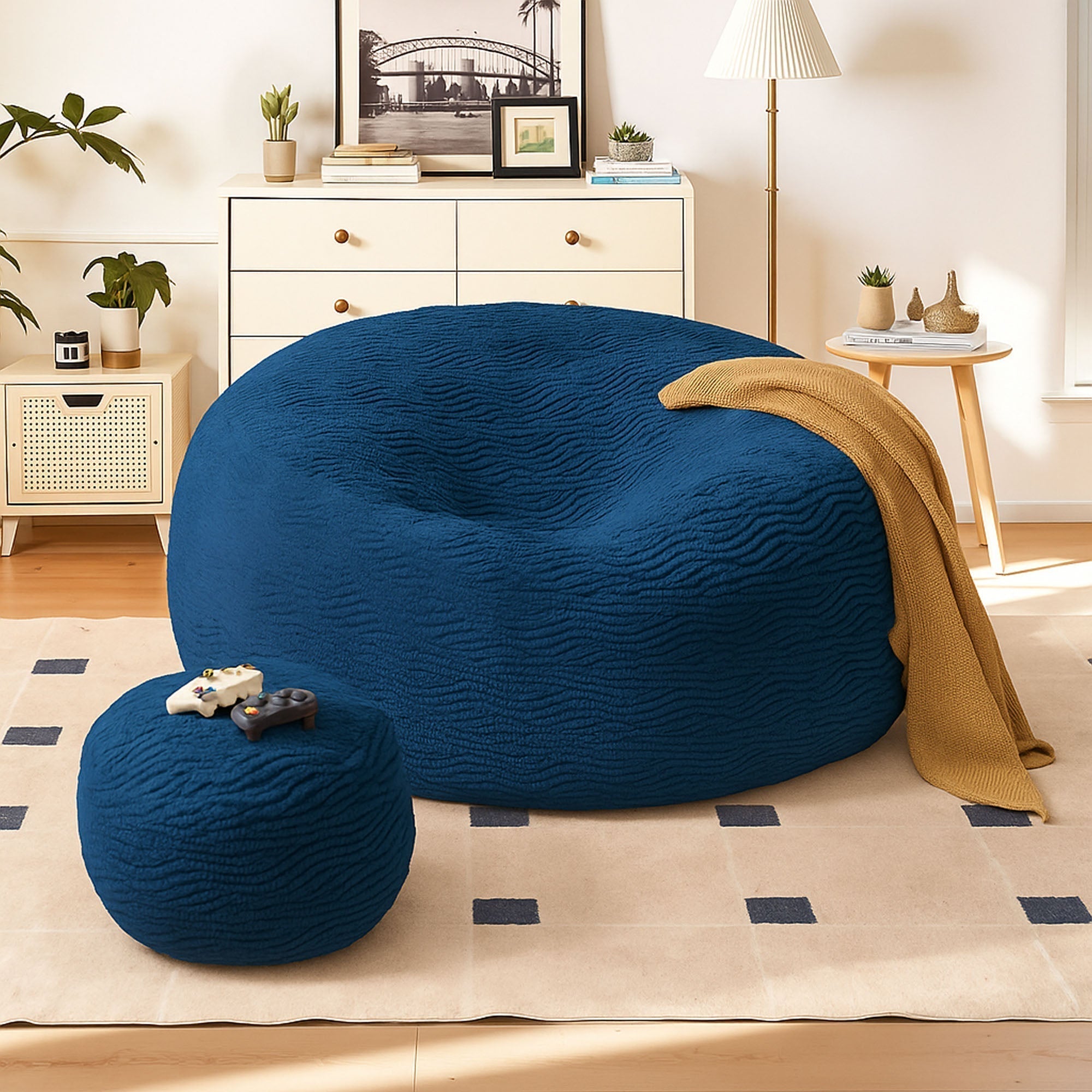
Ottomans and poufs offer flexible seating that you can move around easily. They work as footrests, extra seats during gatherings, or even coffee tables with a tray on top. Their mobility makes them particularly valuable in multi-use spaces.
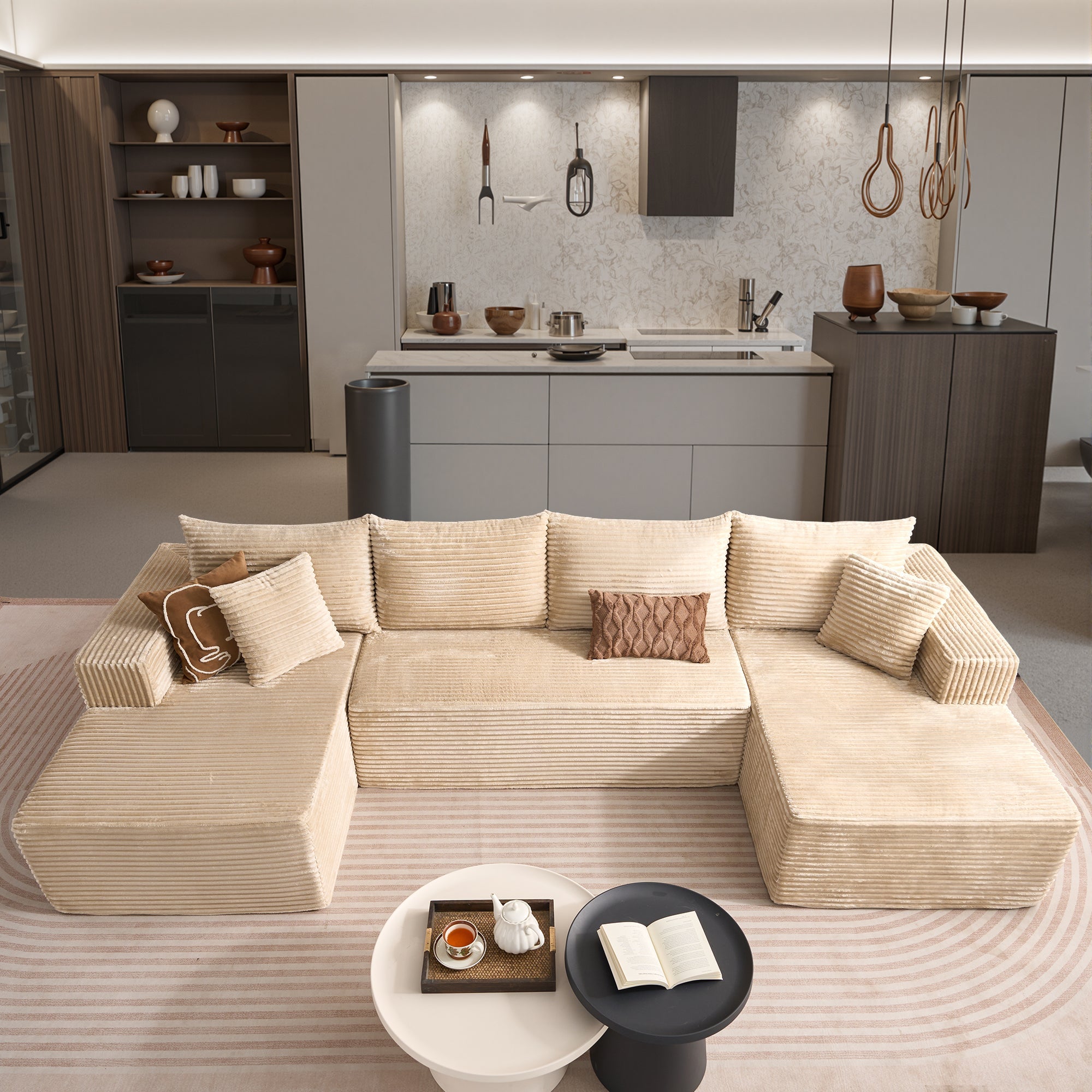
Arranging furniture with a sectional sofa involves similar principles, but it’s important to pay special attention to the L-shape or U-shape layout. Arrange the sectionals to create a cozy seating area while keeping major pathways clear.

Pull the Room Together With Finishing Details
- Area rugs anchor furniture groupings and define spaces. Your rug should extend at least 6 inches beyond the edges of your furniture arrangement, with front legs of all pieces resting on it. This grounds the layout and unifies separate pieces into a cohesive unit.
- Lighting creates ambiance and function. Layer three types: overhead fixtures for general illumination, table or floor lamps for tasks like reading, and accent lights to highlight artwork or architectural features. Dimmer switches add flexibility for different moods and activities.
- Window treatments affect both light control and visual weight. Heavy drapes make rooms feel formal and enclosed, while sheer curtains maintain airiness. Mount curtain rods close to the ceiling to make windows appear larger and ceilings higher.
- Accessories and decorative elements add personality without cluttering surfaces. Group items in odd numbers (three or five) for visual appeal. Vary heights and textures to keep displays interesting. Too many small items create chaos, so edit ruthlessly and display only pieces you truly love.
Avoid These Common Furniture Arrangement Mistakes
Even with the best intentions, some missteps can disrupt the harmony of your living room layout. Understanding these challenges allows you to create a space that is both visually appealing and seamlessly functional for daily living.
Mistake 1: Blocking Traffic Paths
Nobody wants to squeeze sideways between furniture or take the long way around just to cross the room. Keep clear routes from doorways through the space, making sure people can walk comfortably without bumping into tables or chairs. A good rule: leave at least 30 inches of open pathway so two people can pass each other easily.
Mistake 2: Spacing Furniture Too Close or Too Far
Distance matters more than you might think. Chairs placed 15 feet from your sofa force people to shout across the room during conversations. On the flip side, cramming everything together makes the space feel crowded and stressful. Aim for 8 to 10 feet between seating pieces—close enough to chat comfortably but far enough to breathe.
Mistake 3: Choosing the Wrong Size Furniture
A massive sectional in a 10x12 room leaves barely any space to walk. Tiny chairs in a huge room look lost and awkward. Take measurements before you buy, and choose pieces that fit your room's actual size. Your furniture should fill the space without overwhelming it or disappearing into it.
Mistake 4: Pushing Everything Against the Walls
It seems like a smart move to line up all your furniture along the walls, but this often backfires. Rooms wider than 12 feet benefit from "floating" the sofa away from the wall by a foot or two. This creates a cozier seating area that feels more pulled together. Wall-hugging furniture can make rooms feel like waiting rooms instead of comfortable living spaces.
Mistake 5: Ignoring How You Actually Live
A formal conversation setup looks nice, but falls flat if you really just want to watch movies with your family. Be honest about your daily routine. If the kids do homework in the living room, you need sturdy tables and good lighting. If you host game nights, arrange seating so everyone can see each other. Design for real life, not magazine photos.
Start Arranging Your Living Room Furniture Today
Getting your living room furniture arrangement right takes planning and smart choices. Measure your space first, then position seating 8 to 10 feet apart for easy conversation. Float furniture away from walls in larger rooms, and pick multi-functional pieces for smaller spaces. Use rugs to anchor your layout, add layered lighting, and keep pathways clear. Design for how you actually live, not just how it looks.
FAQs
Q1: Should the sofa always be placed against a wall?
Not necessarily. In larger rooms measuring more than 12 feet wide, floating the sofa 12 to 24 inches away from the wall creates a more intimate, intentional seating arrangement. Smaller rooms often benefit from wall placement to maximize usable floor space. A console table can go behind a floating sofa for added storage and display space, making the arrangement feel purposeful rather than awkward.
Q2: What's the best way to arrange furniture in an L-shaped living room?
Treat each section of an L-shaped room as a separate zone with its own purpose. Place your sofa in the larger section to anchor the main seating area, positioning it to face the room's focal point, like a fireplace or TV. Use the smaller section for a different function—a reading chair with a floor lamp, a small workspace, or additional seating. Area rugs help visually define each zone while maintaining a connection between the two areas.
Q3: How much space should be left between furniture pieces?
Maintain 30 to 36 inches between furniture for comfortable traffic flow through the room. The coffee table should sit 14 to 18 inches from the sofa for easy reach without bumping shins. Keep conversation seating 8 to 10 feet apart, maximum, so people can talk easily. Side tables should be within arm's reach of seated guests, typically 24 to 27 inches high to match sofa arm height for convenient access to drinks and remotes.

OVIOS 104" L-Shape Modular Couch with Chaise, Plush Corduroy Fabric, No Assembly Required

Leave a comment
This site is protected by hCaptcha and the hCaptcha Privacy Policy and Terms of Service apply.